ID Made Easy
Get in Touch
Microchips

UC-1283 MiniMax

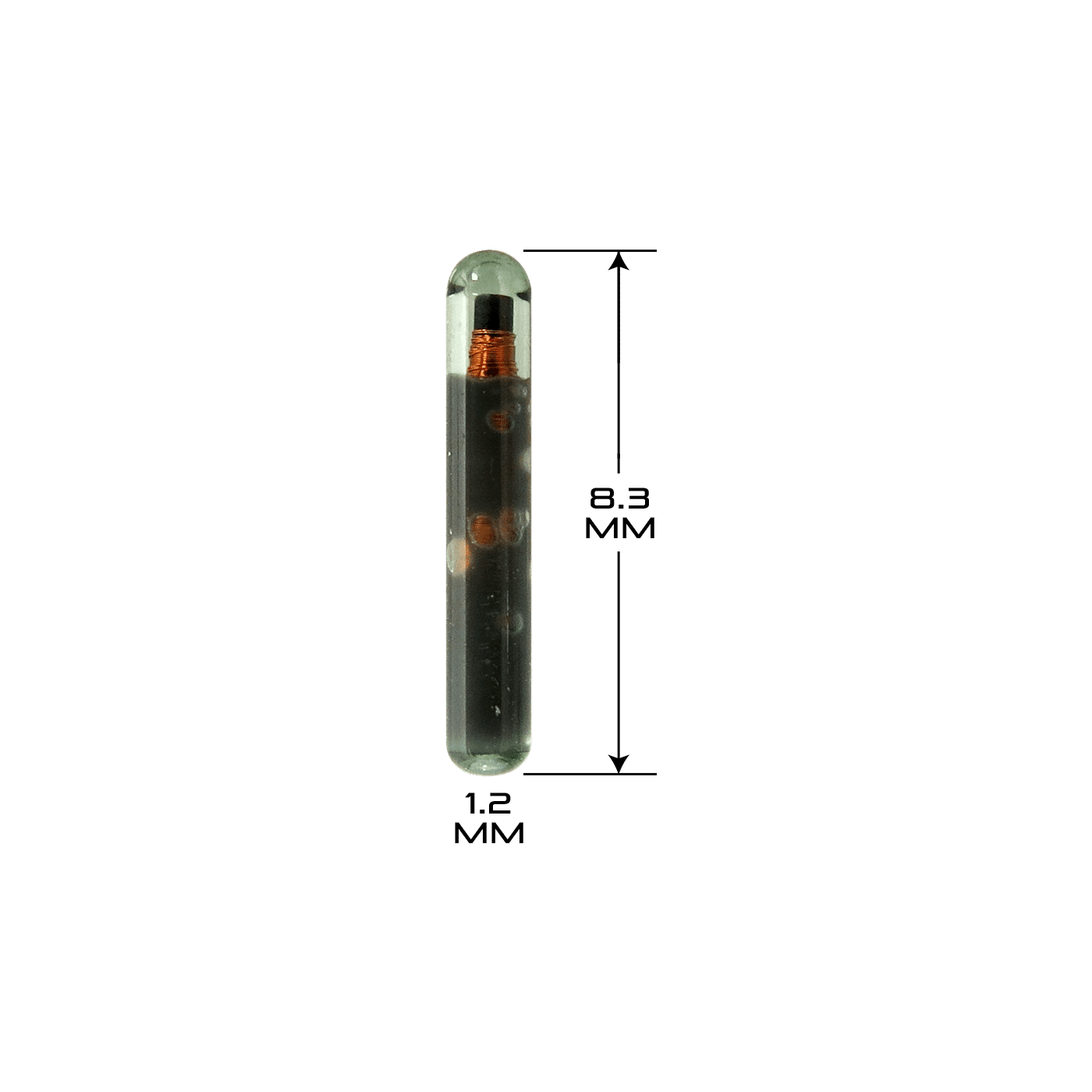
The UID MiniMax Programmable Microchip (UC-1283) is the perfect choice for reliable identification of very small mice (as young as 10 days old). With dimensions of just 1.2 mm in diameter and 8.3 mm in length, this transponder stands as the smallest programmable microchip available on the market today.

  • 1.2 × 8.3 mm
  • 17G needle
UC-1283 MiniMax
A Permanent ID that Survives the Entire Study
When ear tags and notches stop working

A Permanent ID that Survives the Entire Study

Ear tags fall out. Notches get torn or misread. Tattoos fade. For long studies — aging, longitudinal behavior, multi-cohort breeding — those failure modes show up as missing animals in the dataset.

The MiniMax replaces all of that with a single passive implant that cannot be lost, cannot be misread, and persists for the life of the animal.

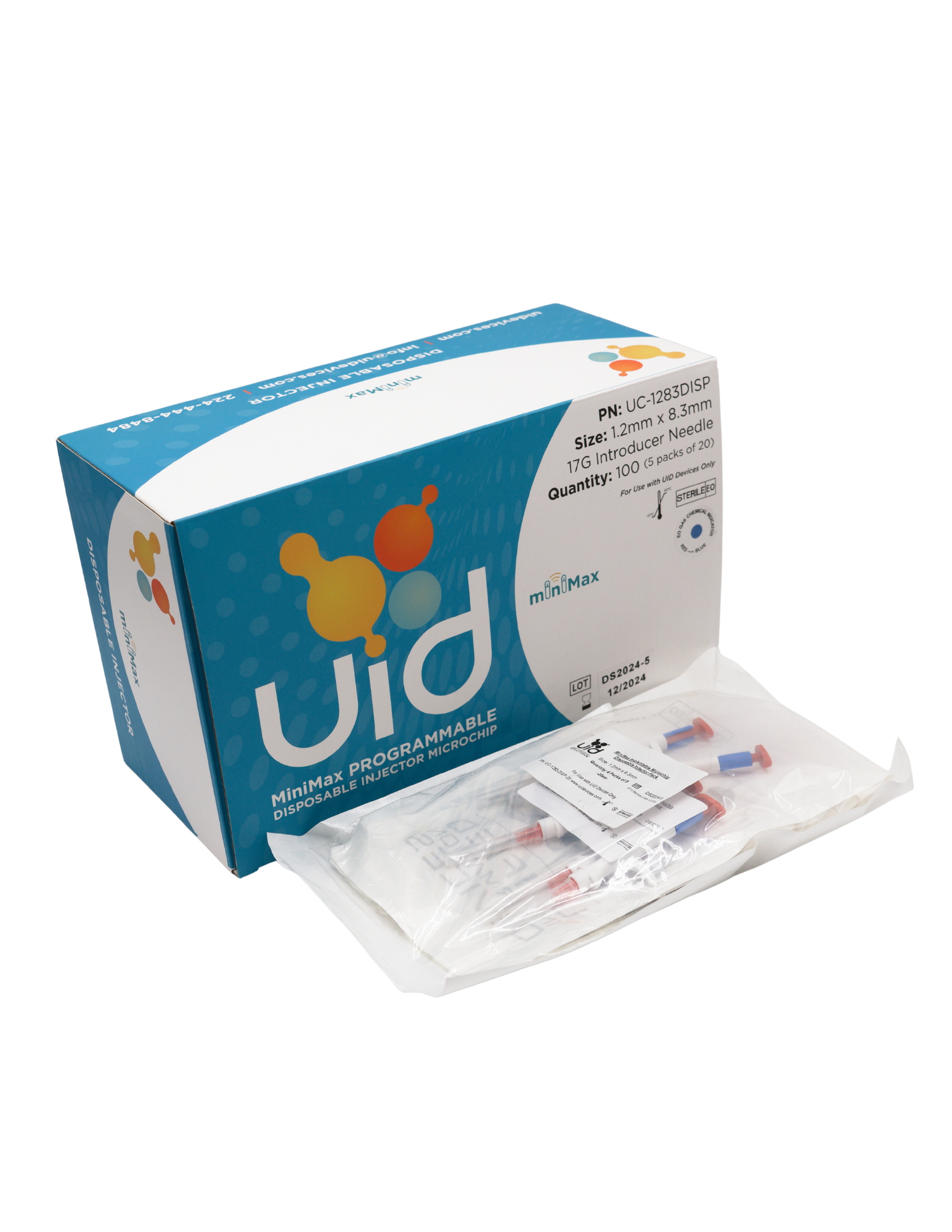
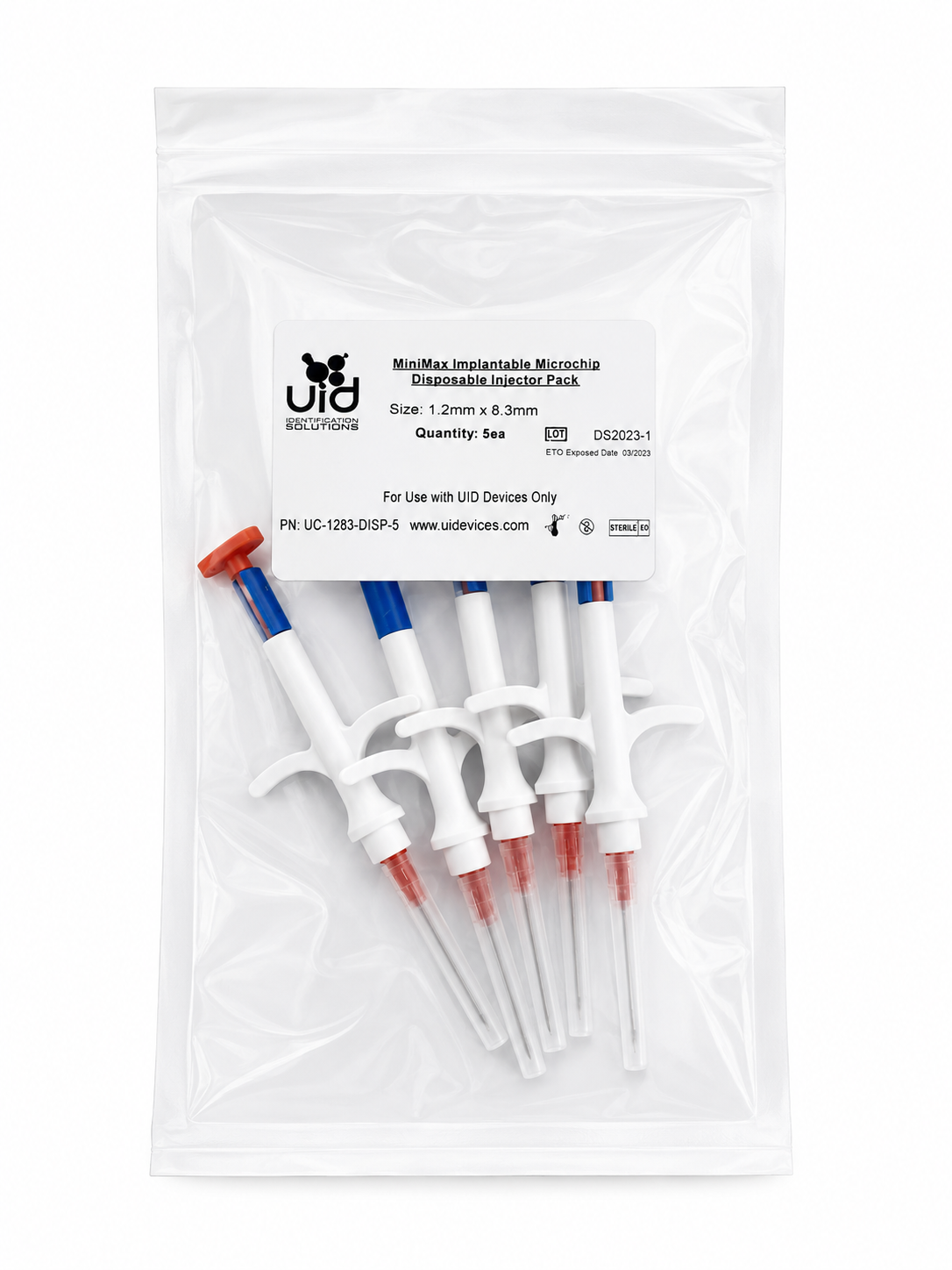
Each microchip is individually packaged in a sterile, 17G disposable needle, guaranteeing a swift, hassle-free, and safe implantation process. It is designed to work seamlessly with a wide range of reusable UID injectors, offering flexibility and convenience. Additionally, the MiniMax is also available in sterile disposable injectors for your convenience.

Why the MiniMax

What You Get from the Smallest Programmable Chip

A permanent, low-stress identifier engineered for very small animals and the integrity of long studies.

  • Neonate-ready Implantable in mice as young as postnatal day 10, when ear tags and notches simply aren't an option.
  • Smallest programmable At 1.2 × 8.3 mm, sized for the smallest subcutaneous pocket, with less tissue displacement on a small body.
  • Programmable memory Carries 16 operator-readable characters — study number, genotype, DOB — alongside the permanent unique ID.
  • Permanent One passive implant that can't be shed, torn, or faded, readable for the life of the animal.
  • Imaging-Safe Compatible with MRI, X-ray, ultrasound, and NMR, with minimal artifact from the small glass capsule.
  • Minimally invasive A 17G triple-ground needle keeps placement comparable to a routine injection, with rapid recovery.
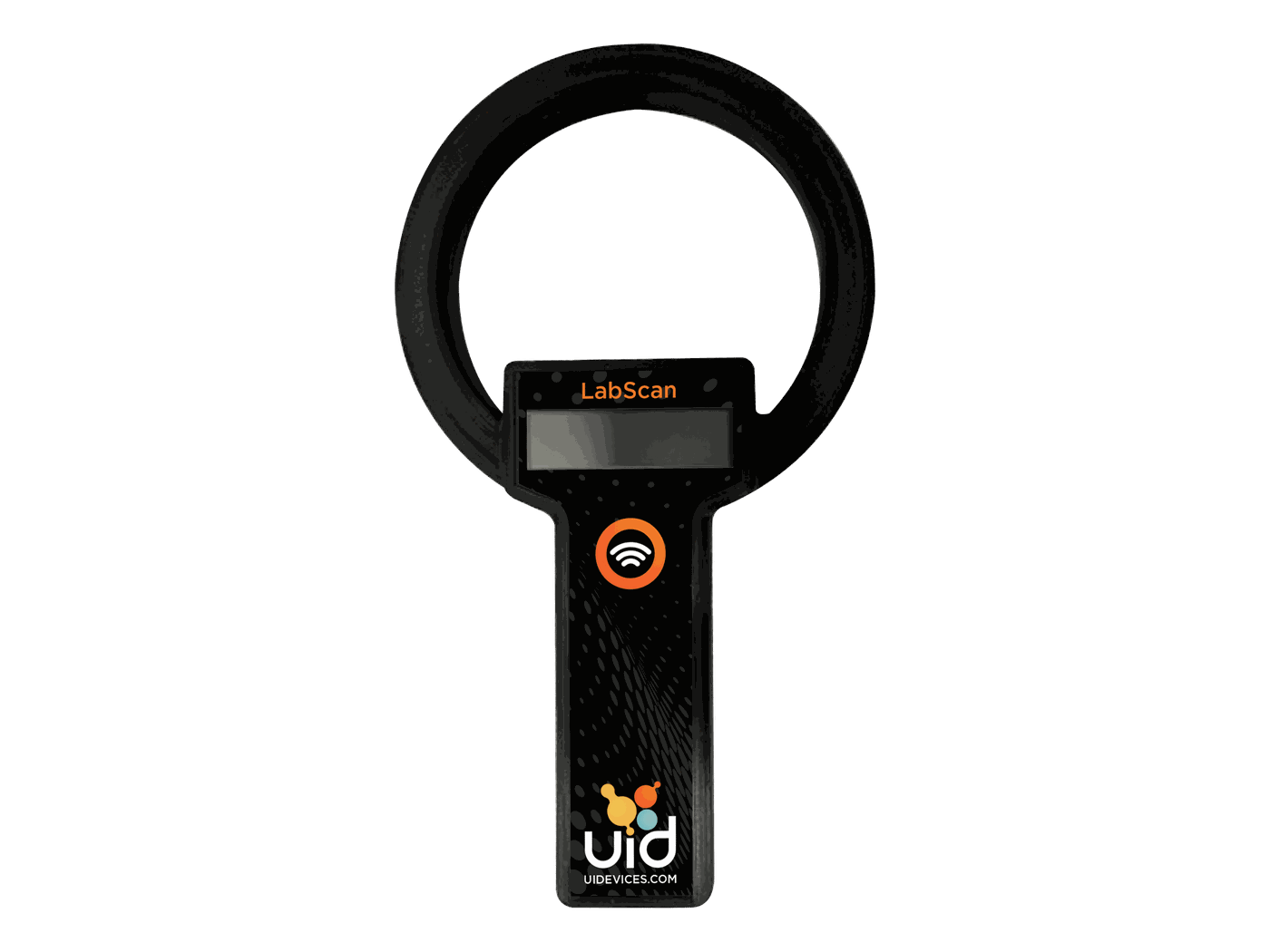
  • Reader-compatible Reads on the entire UID reader family.
  • High Sterility Environments The only UID chip offered as a single use disposable for high sterility requirements

MiniMax by the Numbers

  • 1.2 × 8.3 mm — Dimensions
  • 0.026 g — Weight
  • 17G Triple-ground needle, neonate-safe

Specifications

Frequency
Low Frequency
Mode
Passive (battery-free)
Unique ID
8-digit unique ID
Programmable ID
Up to 16 alphanumeric characters
Dimensions
1.2 × 8.3 mm
Volume
9.86 mm³
Weight
0.026 g
Encapsulation
Bioglass 8625
Subjects
Small mice (including 10 day old neonate mice)
Implant Routes
IP / SQ
Needle / Cannula
17G, 1.45 mm O.D.
Packaging
ETO-sterile blister pack or disposable injector
Read Distance
3–7 cm (depending on reader)
Imaging Compatibility
MRI, X-ray, Ultrasound, NMR
Compatible Injectors
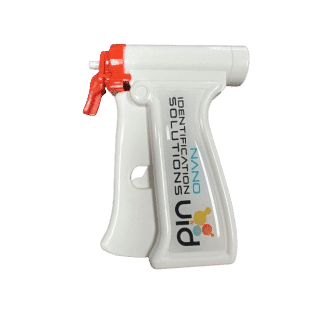
UPGI-QMM Pistol Grip Injector, Syringe Injector
Compatible Readers
All UID readers
Programming Station
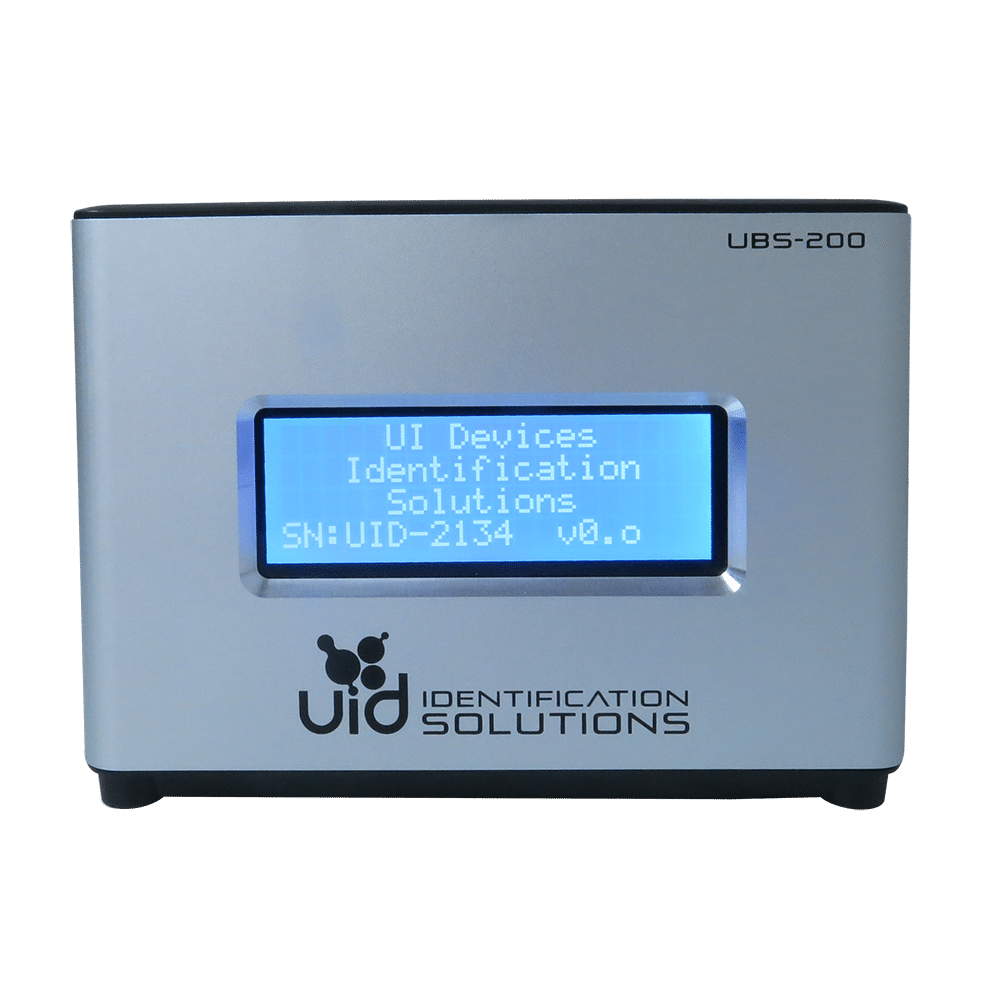
UPS-60 chip provisioning station (in-cannula) or UBS-200L base station (in-animal)
In-Cage Systems
AnyCage Lite, AnyCage Plus, UID Mouse Matrix
Side by side

Compare the Four Chips

Capability Current product: UC-1283 MiniMax UC-1485 Mouse UC-2112 All Species UCT-2112 Temperature
Unique ID Yes Yes Yes Yes
Temperature No No No Yes
Programmable Yes Yes Yes Yes
Recommended for home-cage monitoring No No No Yes
Cannula gauge 17G 15.5G 12.5G 12.5G
Available in blister pack Yes Yes Yes Yes
Available in disposable injector Yes No No No
By species

Which Chip We'd Recommend, by Animal

Species Current product: UC-1283 UC-1485 UC-2112 UCT-2112
Neonate mice Recommended Yes No No
Mice Yes Recommended Yes Yes
Rats Yes Yes Recommended Recommended
Guinea pigs, rabbits Yes Yes Recommended Recommended
Dogs, primates, larger species Yes Yes Recommended Recommended
Order Microchips Pre-Programmed with Your Own IDs
Provisioning service

Order Microchips Pre-Programmed with Your Own IDs

Simplify your workflow with UID’s custom microchip programming service. We program each microchip with your unique alphanumeric ID (up to 16 characters), ensuring accuracy and consistency for your research or tracking needs.

  • Send an Excel file — one row per chip, up to 16 alphanumeric characters each: study number, cohort code, genotype, or your own numbering scheme.
  • Programmed in the sealed cannula — the same method our provisioning stations use, so sterility is never broken.
  • Labeled to match — every package carries the data written on the chip inside, so the label and the scanner always agree.
Ordering

How the MiniMax Ships

Both formats ship sterile and ready to implant.

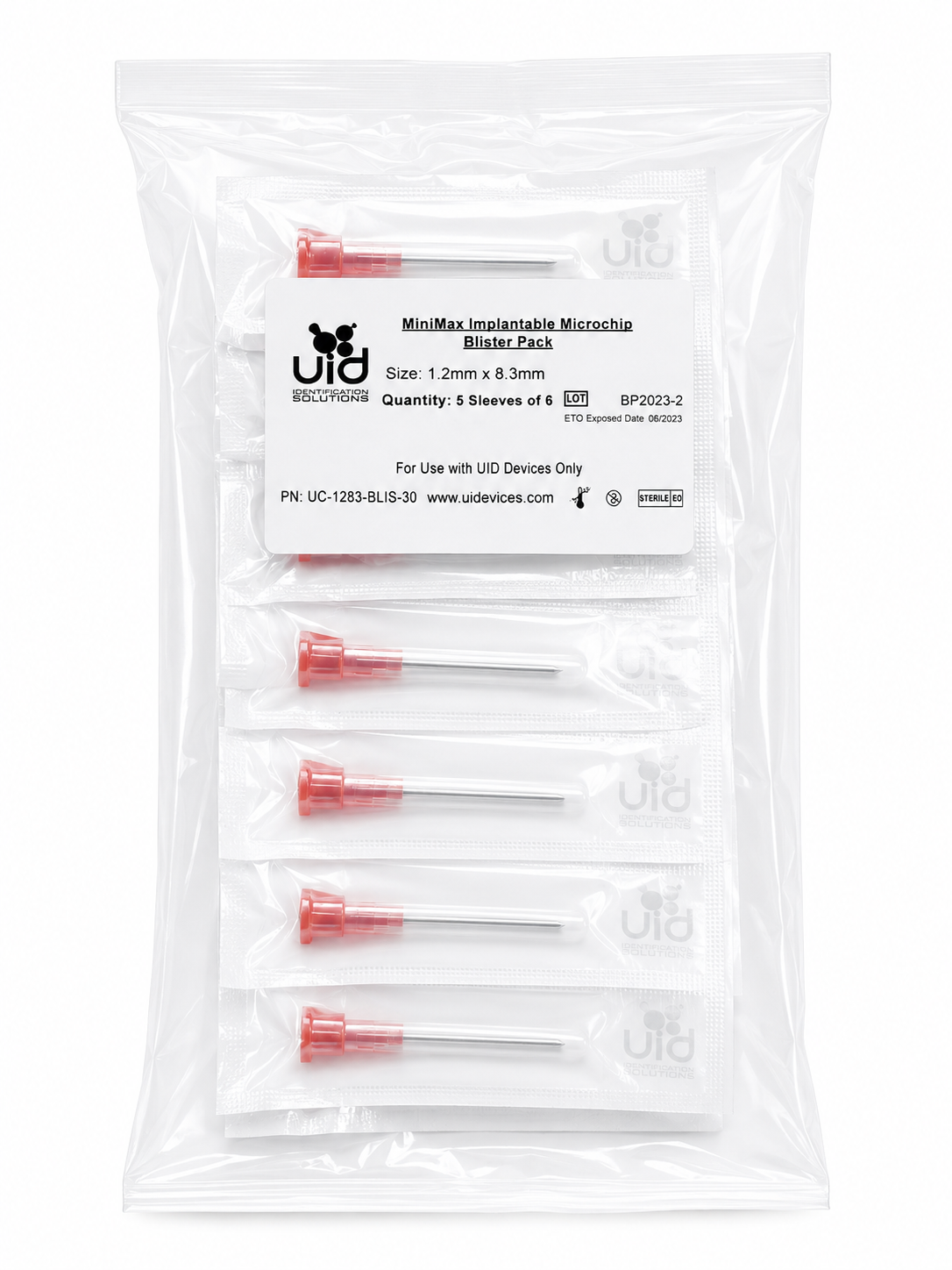
  • Blister Pack

    Load into any UID injector

    • MiniMax UC-1283 microchips Individually sealed sterile blister packs
  • Most popular

    Disposable Injector

    Ready to implant out of the pack

    • MiniMax UC-1283 microchips Each pre-loaded in a single-use 17G injector
    • No separate injector required Sterile, single-use, neonate-safe gauge
Resources

Supporting Materials

The spec sheet and implant protocol cover what your team needs to evaluate the chip and prepare the first procedure.

  • Download PDF

    MiniMax Programmable Transponder (UC-1283) Specification Sheet

    Technical specification sheet for the UC-1283 MiniMax Programmable Transponder, covering dimensions, frequency, read range, operating temperature, and compatibility with UID readers.

    Download spec sheet →
  • Download PDF

    Procedure for Subcutaneous Microchip Insertion in Mice

    Step-by-step technical protocol for subcutaneous RFID microchip implantation in mice, covering site selection, applicator technique, and post-implantation verification.

    Download protocol →

Common Questions

  • How young can a mouse be implanted with a MiniMax?

    The MiniMax is the smallest programmable chip on the market specifically so it can be implanted in neonates as young as postnatal day 10. The 17G needle is meaningfully smaller than the cannulas used for the UC-1485 (15.5G) and UC-2112 (12.5G), and the chip's 1.2 mm diameter means a smaller subcutaneous pocket on a small body. Standard IACUC-approved subcutaneous or intraperitoneal protocols apply. If you're chipping at PND 10 or below for the first time, contact us before ordering.

  • Is the MiniMax compatible with imaging?

    Yes — MiniMax microchips are compatible with MRI, X-ray, ultrasound, and NMR. The chip's small footprint and glass encapsulation minimize imaging artifact relative to larger transponders, which is one of the reasons labs running longitudinal imaging studies switch to it from ear tags or larger chips.

  • Which reader do I need, and can I keep using my existing UID equipment?

    The MiniMax microchip reads on all UID readers. For programming, the UPS-60 Chip Provisioning Station handles in-needle programming; in-animal programming is done with the UBS-200L base station.

Standardizing Your Colony on a Single Chip?

We can help you find the right microchip for your study before ordering.