
Audit-Ready Is a State, Not a Scramble
DEA inspections do not arrive on your clinic's schedule. Keep dispensing records current, reconcile the running balance, and keep supporting documents ready without reconstructing events from memory.
- Current Records
- Reconciled Inventory
- On-Demand Reports
What's Actually at Stake
- $19,246 Maximum federal civil penalty for certain recordkeeping violations assessed after July 3, 2025 (28 CFR 85.5)
- At least 2 years Federal controlled-substance record-retention requirement (21 CFR 1304.04)
- Every 2 years Federal minimum between physical inventories (21 CFR 1304.11)
Five Record Sets to Keep Ready
A DEA inspection can reach every controlled-substance record your clinic is required to maintain. These are the five sets your team should be able to retrieve without rebuilding them after the fact.
- Inventories — the initial inventory and a new physical inventory at least every two years (21 CFR 1304.11).
- Receiving and purchasing records — what arrived, from whom, and when, including Schedule II order records such as DEA Form 222 or CSOS records when applicable.
- Dispensing and administration records — complete and accurate, maintained on a current basis (21 CFR 1304.21).
- Disposal records — the records required by 21 CFR Part 1317, including DEA Form 41 when applicable.
- Theft or significant-loss reports — written notice and DEA Form 106 when the reporting threshold is met.
Federal rules also require these records to be kept separately from other records or be readily retrievable. A neat binder is not enough if the entries inside it are incomplete or weeks behind.
The Counting Rules Clinics Get Wrong
The federal counting rules apply when your clinic takes its required inventory. The schedule and container size determine whether an estimate is allowed.
- Schedule II requires an exact count or measure — for every opened container on the inventory (21 CFR 1304.11).
- Schedule III–V may be estimated — unless a container holds more than 1,000 tablets or capsules, in which case the count must also be exact.
- Liquids need a defensible measure — routine syringe draws can introduce small differences between the written log and the vial. See Syringe Accuracy for why that drift occurs even when the dose was administered correctly.
A running balance helps you reconcile the physical count, but it does not replace the physical inventory required by the regulation.
A Self-Audit Routine You Can Actually Keep
-
Set a Shorter Count Cadence
Choose a schedule based on transaction volume and risk instead of relying on the two-year federal minimum. Shorter cycles keep any difference small enough to investigate.
-
Reconcile the Physical Count
Compare what is physically on hand with the running balance every time you count. Review receipts, dispenses, waste, transfers, and adjustments before accepting a variance.
-
Document Differences the Same Day
Record what was found, who counted it, and what records were reviewed while the details are still available.
-
Investigate Before the Next Count
Resolve the cause or document the remaining explanation before a new cycle adds another difference to the same balance.
-
Retain the Supporting Record
Keep the count, reconciliation, and supporting controlled-substance records for at least two years under federal law. State rules or clinic policy may require longer retention.
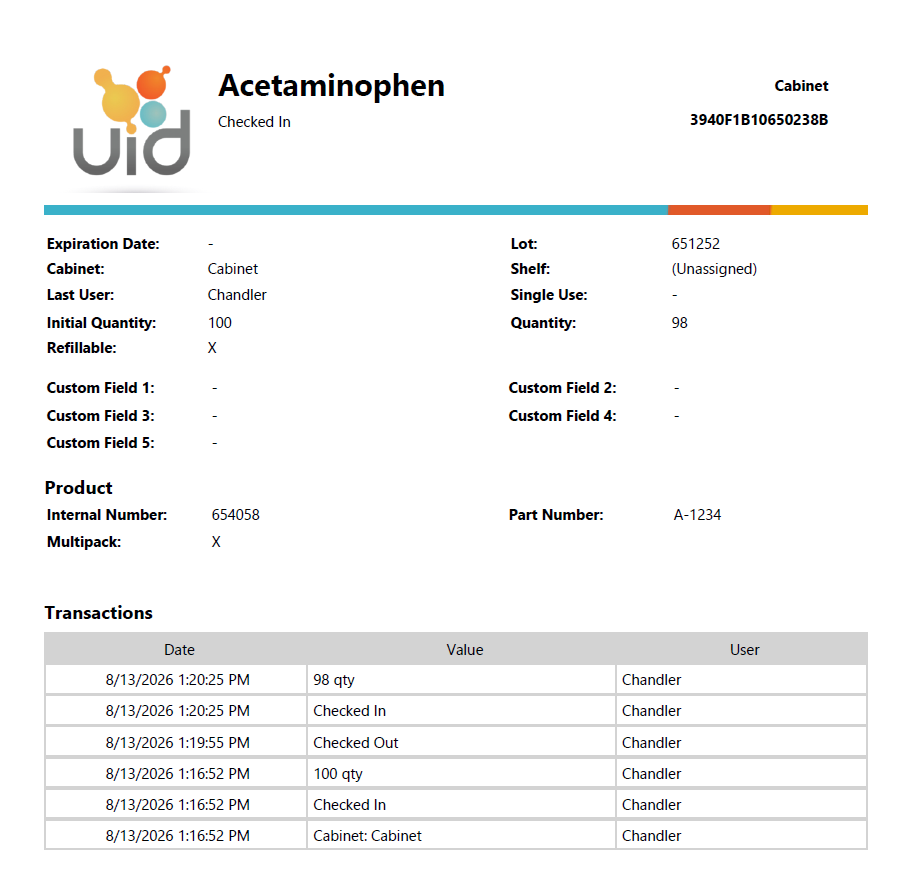
How CSI-360 Supports Audit Readiness
CSI-360 records the normal dispensing workflow as it happens, giving your team a current balance to reconcile against the physical inventory.
- Dispenses are measured — the scale records the amount removed instead of relying only on a syringe estimate.
- Activity is tied to a user — individual credentials create an access and transaction history without a shared-key guessing game.
- Reports are available on demand — inventory, activity, and user-access reports can be produced without reconstructing the dispense log.
- The clinic remains responsible — physical inventories, receiving records, disposal records, loss reporting, and written procedures still belong to the DEA registrant.
More for Your Practice
Controlled-substance inventory and ISO readers for the equipment your team uses every day.
-
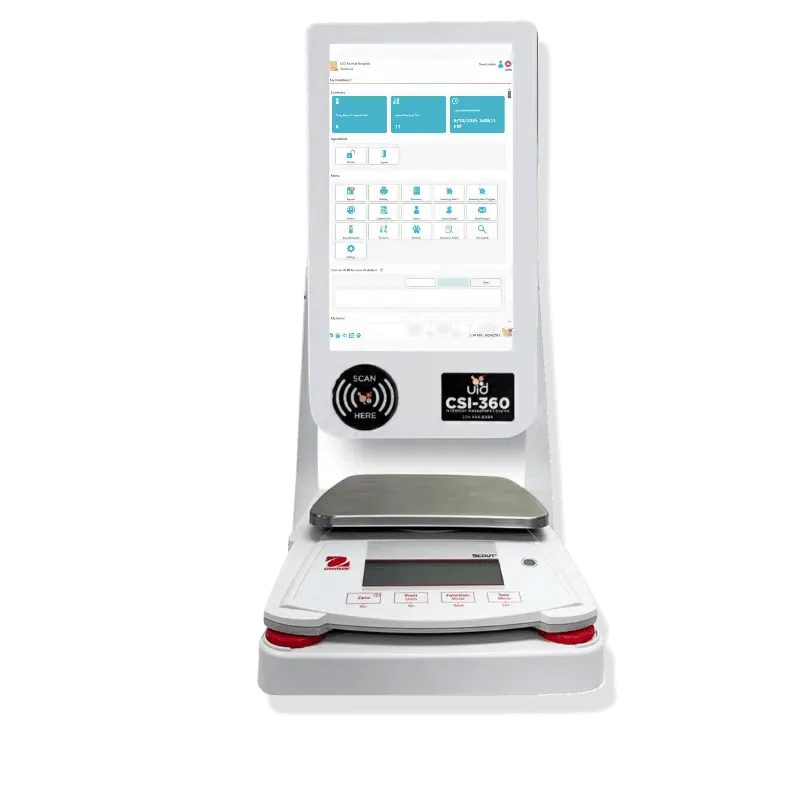 Controlled Substance Inventory
CSI-360 Controlled Substance Inventory
- Weighed Dispenses
- PIMS Integration
- DEA-Ready Reports
Secure cabinet access, weigh each dispense, select patients from your PIMS, and run reports on demand for DEA inspections.
View CSI-360 -
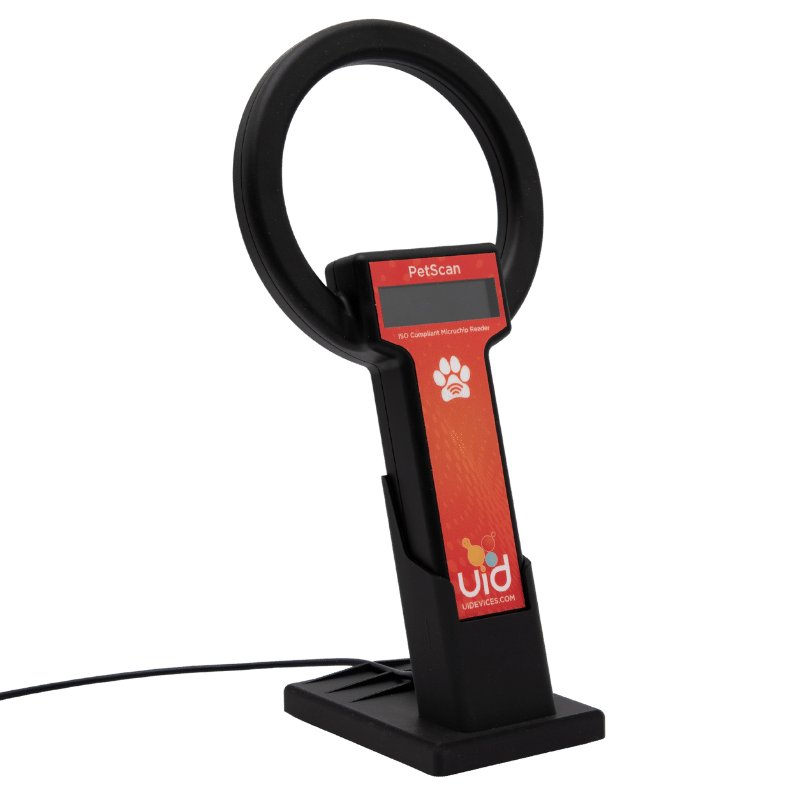 Handheld Reader
PetScan URH-2 ISO Handheld Reader
- ISO 11784/11785
- FDX-B
- USB-rechargeable
ISO 11784/11785 FDX-B handheld for vet, field, and wildlife. Reads ISO, Trovan, and DataMars tags. USB to PC, USB-rechargeable.
View URH-2-ISO -
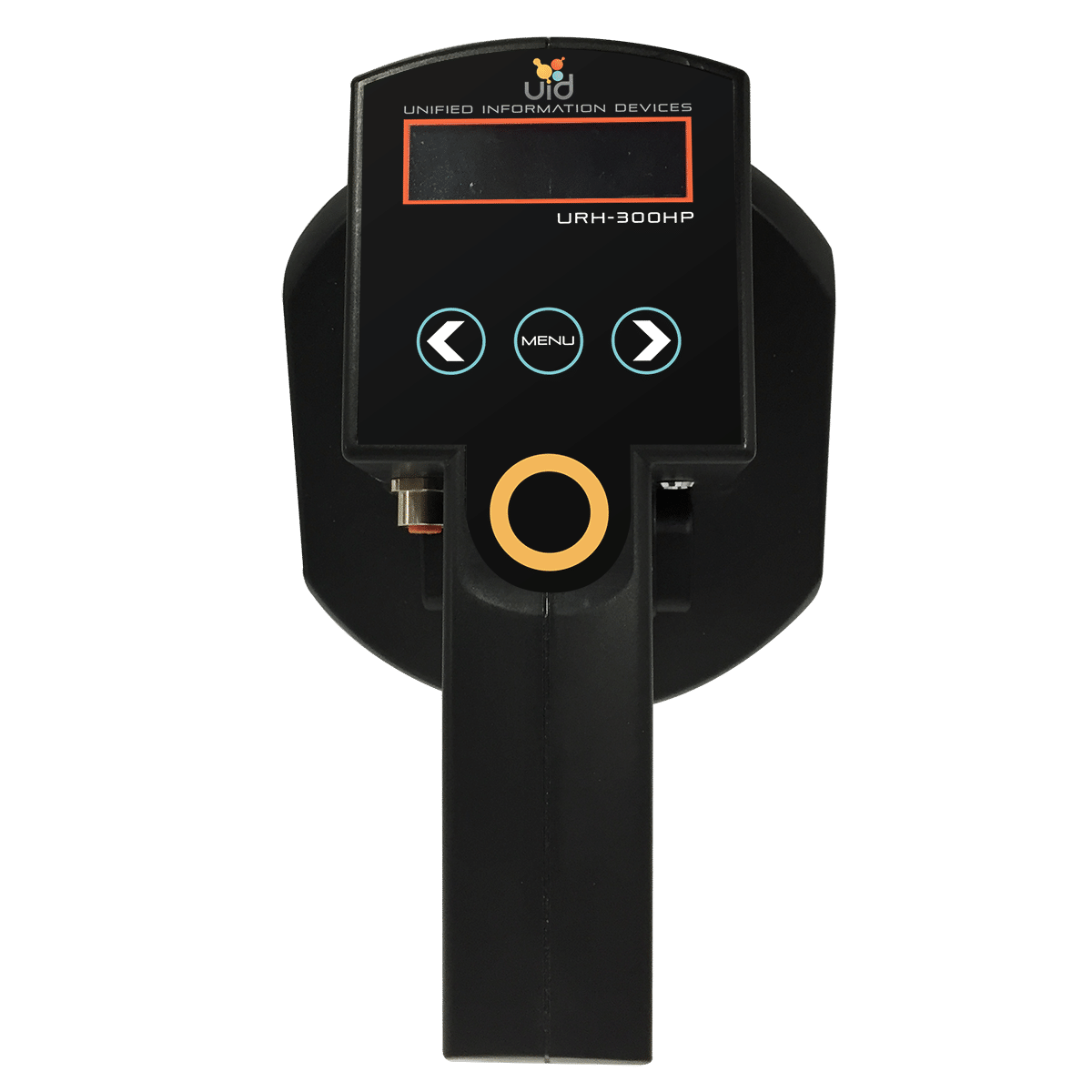 High-Power ISO Reader
URH-300HP-ISO High-Power Reader
- FDX-B + HDX
- 6–8" Read Range
- IP67
Long-range ISO handheld for large-animal veterinary care. Reads FDX-B and HDX at 6–8". IP67. Optional URH-PLEX antenna for extra reach around cattle, horses, and enclosures.
View URH-300HP-ISO
Common Questions
-
What should we be ready to produce first?
Be ready with your registration, inventories, purchasing and receiving records, dispensing and administration records, disposal records, and any theft or significant-loss reports. The order of an inspection can vary; the practical test is whether each required record is current and readily retrievable.
-
How often should we really count?
The physical inventory required by 21 CFR 1304.11 must be taken at least every two years. For self-audits, set a shorter cadence based on transaction volume, drug schedule, staffing, and prior variances so differences are found while they are still practical to investigate.
-
What happens if we find a discrepancy during a self-audit?
Document it the day you find it, reconcile the surrounding transactions, and assess whether it is a theft or significant loss under the factors in 21 CFR 1301.76(b). When that threshold is met, provide written notice to your local DEA Field Division within one business day and file DEA Form 106 electronically within 45 calendar days. State reporting requirements may also apply.
-
Is CSI-360 itself "DEA compliant"?
No product is DEA compliant on its own. Compliance belongs to the registrant. CSI-360 supports the clinic's controls with measured dispenses, individual access records, and on-demand reports, but it does not replace required physical inventories, forms, written procedures, or staff oversight.
-
How long do records have to be kept?
Federal controlled-substance records generally must be kept for at least two years and remain available for inspection under 21 CFR 1304.04. State law or your clinic's retention policy may require a longer period.
-
How does the CSI-360 change audit prep?
It reduces the amount of reconstruction required. Measured dispenses, individual credentials, and on-demand reports keep the daily dispensing record current, while the clinic continues to maintain receiving, disposal, inventory, and loss-reporting records. See the CSI-360 Product Page, Diversion Prevention, and Syringe Accuracy for the related product, security, and measurement details.
References
- Inventory requirements, including the counting-rule thresholds: 21 CFR 1304.11.
- Current-basis recordkeeping requirement: 21 CFR 1304.21.
- Record retention and readily retrievable records: 21 CFR 1304.04.
- Disposal recordkeeping, two-witness destruction, Form 41: 21 CFR Part 1317.
- Theft/significant-loss reporting (one-business-day notice; electronic Form 106 in 45 days): 2023 DEA final rule.
- Maximum civil-penalty amounts, including $19,246 for specified CSA recordkeeping violations: 28 CFR 85.5.
- Practitioner compliance resources: DEA Diversion Control Division.
Keep Your Records Audit-Ready Every Day of the Year
CSI-360 keeps a current record of measured dispenses for your team to reconcile against physical inventory. Give us a call and we'll walk through how it fits your clinic's existing recordkeeping process.