
Bass Tagging at Crimson Oak Pond
PIT tags track individual bass at Crimson Oak Pond, building movement, growth, and population data over time.
Watch the video →UID equips fisheries and wildlife conservation programs to identify individual animals in the field and read those IDs years later. Our tags can be implanted in a wide range of species, including fish, mammals, birds, and reptiles. Our tags are used in applications ranging from wildlife research to straightforward identification and tracking.
A PIT tag is implanted once and provides a permanent, unique ID that can be read throughout the animal's life, without repeat marking or replacement tags.
Choose 1.4 x 8.5 mm for juvenile fish, small amphibians, and other small-bodied species, or the 2.1 x 12 mm standard for larger fish and small mammals.
Tags ship in injection-ready cartridges. The UMTI-10 multi-injector accepts a cartridge of 10 2.1 x 12 mm tags for high throughput when tagging several animals; the 1.4 x 8.5 mm tag goes in with a single-shot needle instead.
Inject subcutaneously or intraperitoneally per your study protocol. The biocompatible glass capsule keeps the implant profile low, and the passive design means no battery and no maintenance.
Scan with a handheld reader for recapture sampling, or step up to a high-power one when you need more range, HDX support, or the extra reach of a pole antenna.
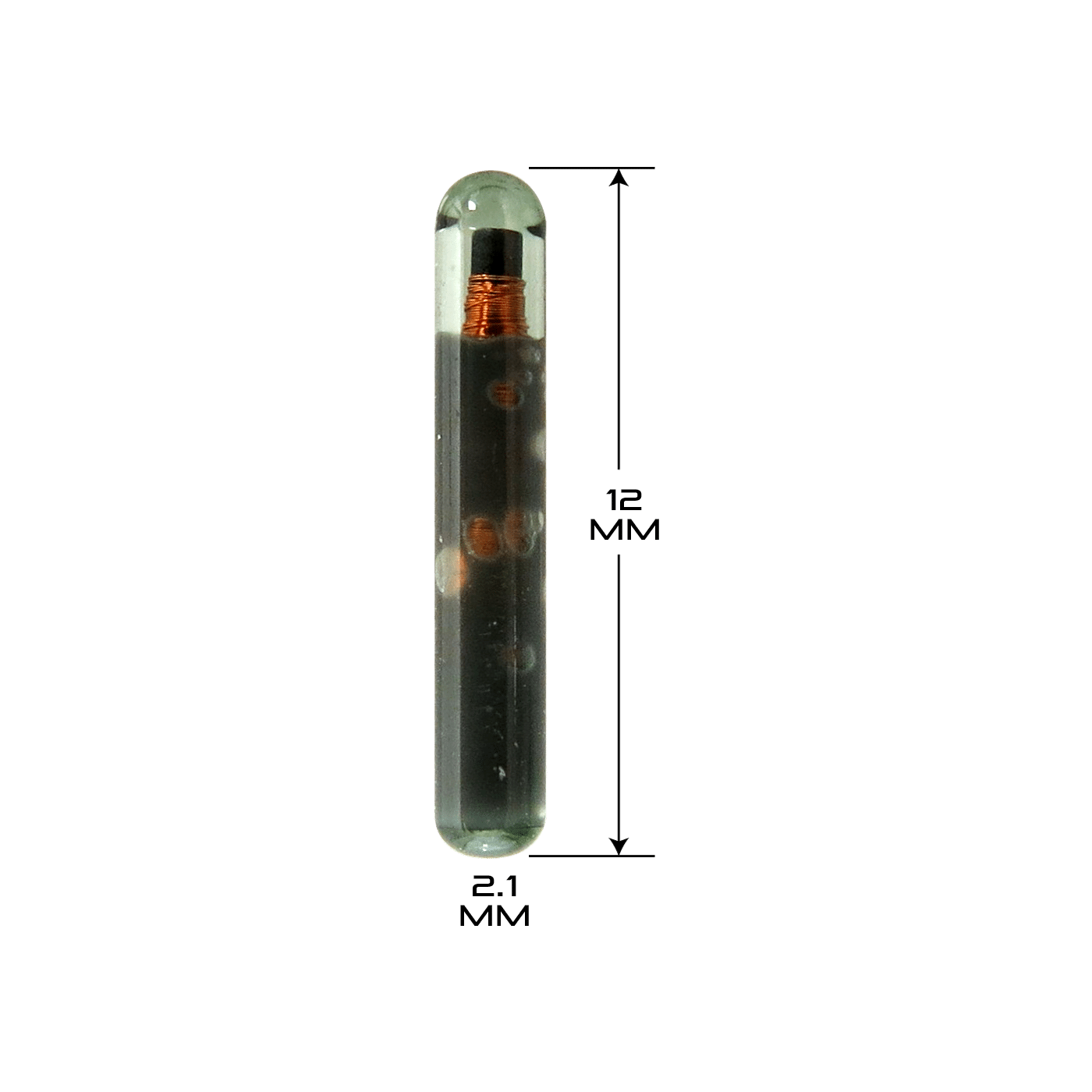
PIT stands for Passive Integrated Transponder. It's a small glass capsule, about the size of a grain of rice, implanted under the skin or in the body cavity, and it carries one unique ID for the animal's lifetime. There's no battery inside; the reader powers the tag when it comes close enough. We make them in two sizes: 2.1 x 12 mm, the standard for adult fish and small mammals, and 1.4 x 8.5 mm for juveniles, amphibians, and other small-bodied species.
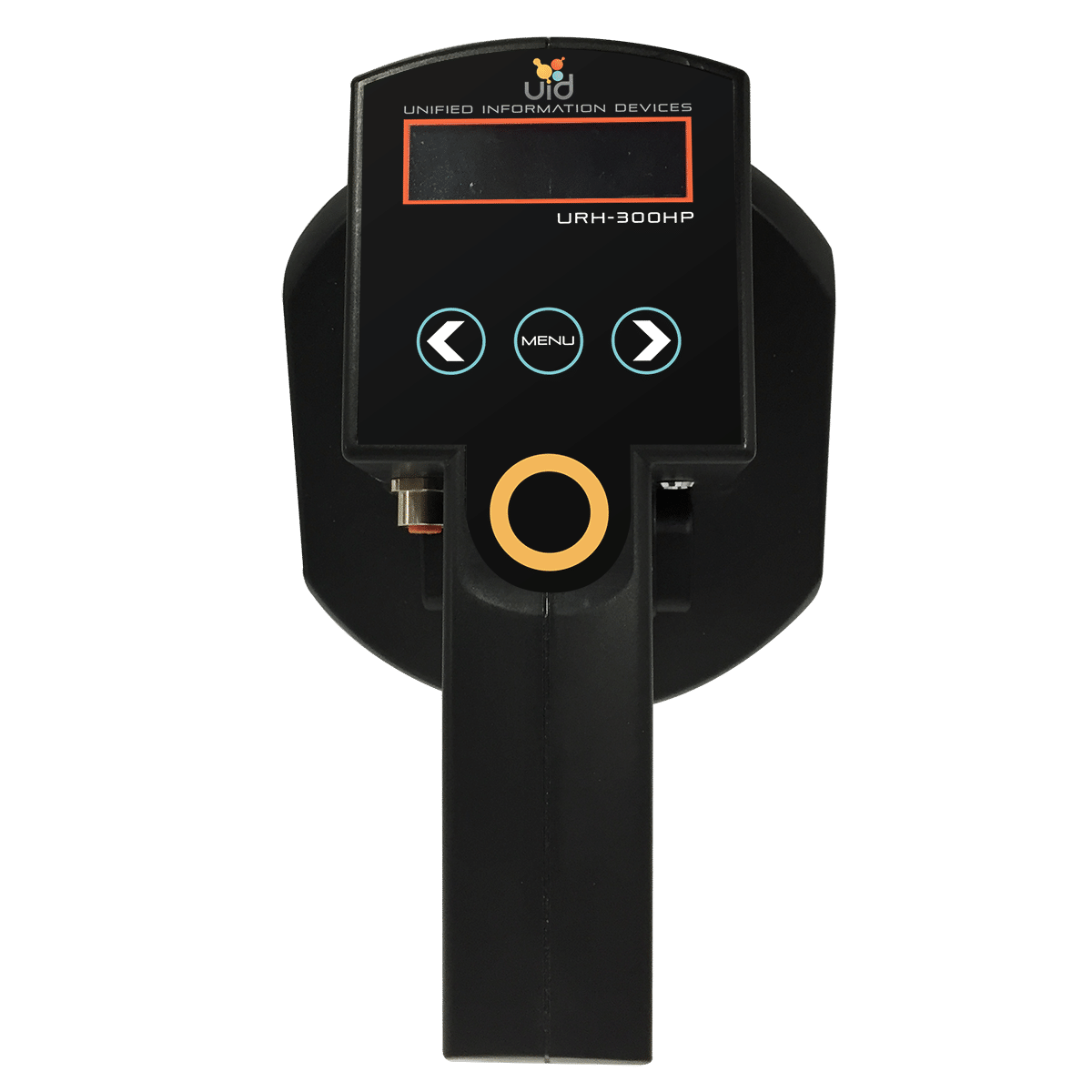
We make two kinds of handheld reader for PIT tags. One is a compact scanner for close-range reads with the animal in hand. The other reads from several inches away, adds HDX tags to the standard PIT formats, and takes a telescoping pole antenna for reaching animals at a distance.
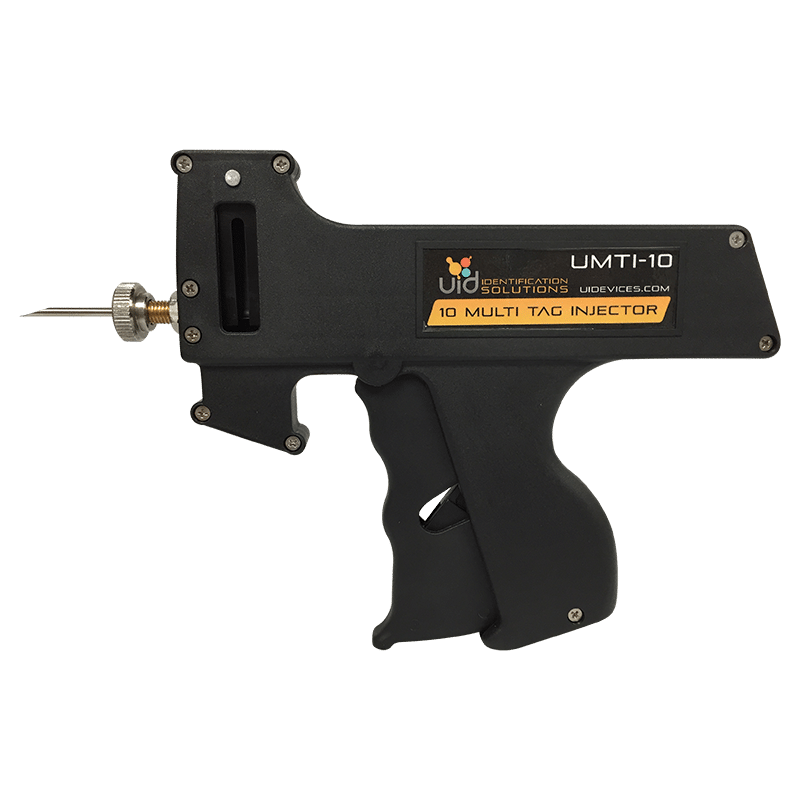
We make two injectors for PIT tags. One is a simple syringe-style injector that places a single tag at a time and takes either tag size, with a sterile option when needed. The other holds ten of the standard tags in a cartridge and places them one handle-pull at a time, so you are not reloading between animals. Its needles and cartridges are replaceable, sold in boxes of ten.
A few of the projects using UID PIT tags to follow individual animals over time.
PIT tags track individual bass at Crimson Oak Pond, building movement, growth, and population data over time.
Watch the video →Tagged penguins are read by an autonomous rover, so the colony is monitored without being disturbed.
Read the article →Largemouth bass are measured and tagged, then followed over years in a growth and genetics study.
Watch the video → The standard PIT tag at 2.1mm x 12mm for standard sized animals.
View 2.1 × 12 mm Tag
Smaller PIT tag at 1.4mm x 8.5mm for juvenile fish, amphibians, and other small-bodied species.
View 1.4 × 8.5 mm Tag Cartridge-fed injector that places ten tags in sequence for easy injection of several animals at a time.
View UMTI-10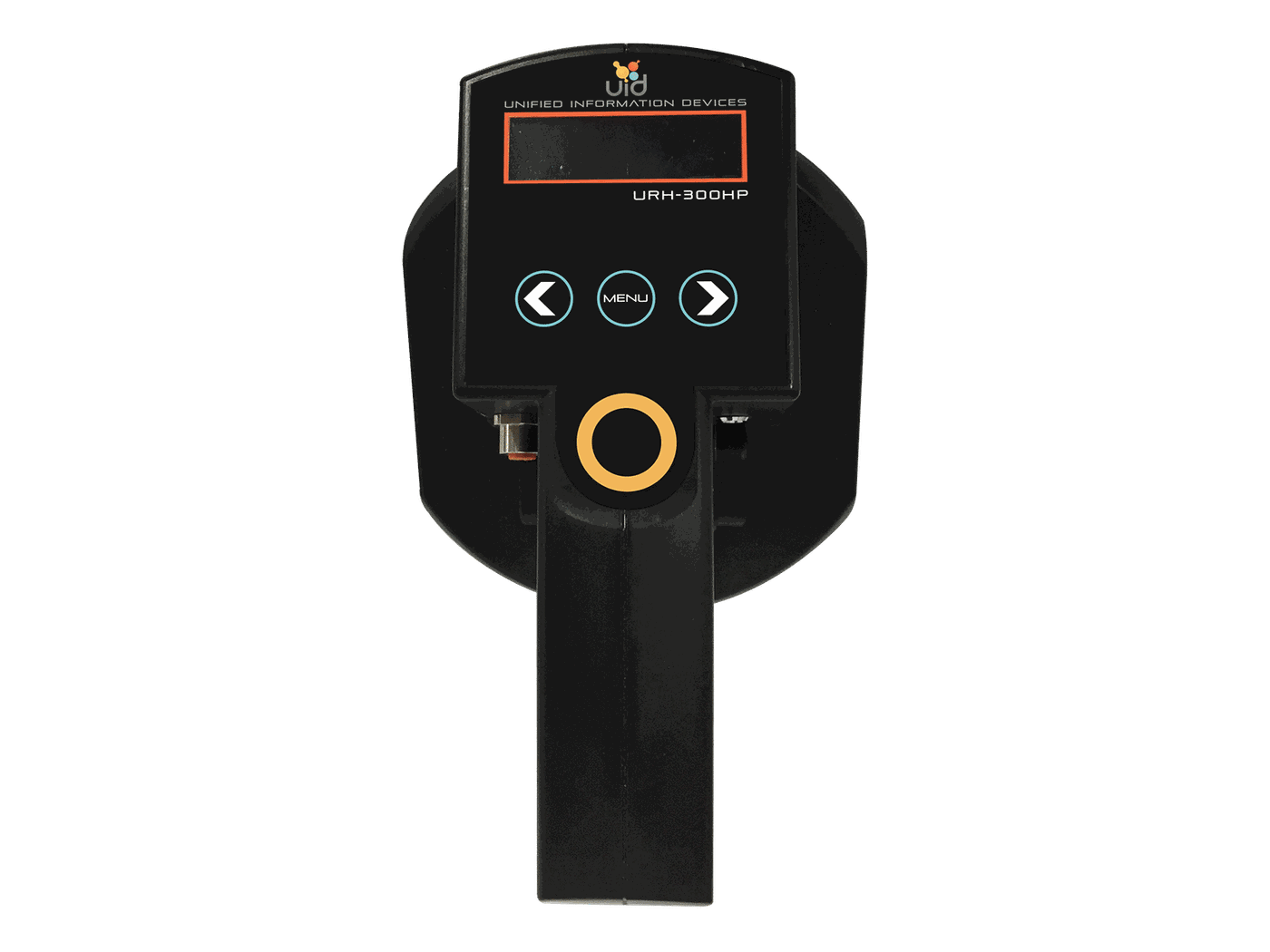
High-power ISO handheld for field work. Reads both FDX-B and HDX and is IP67-rated for wet field conditions.
View URH-300HP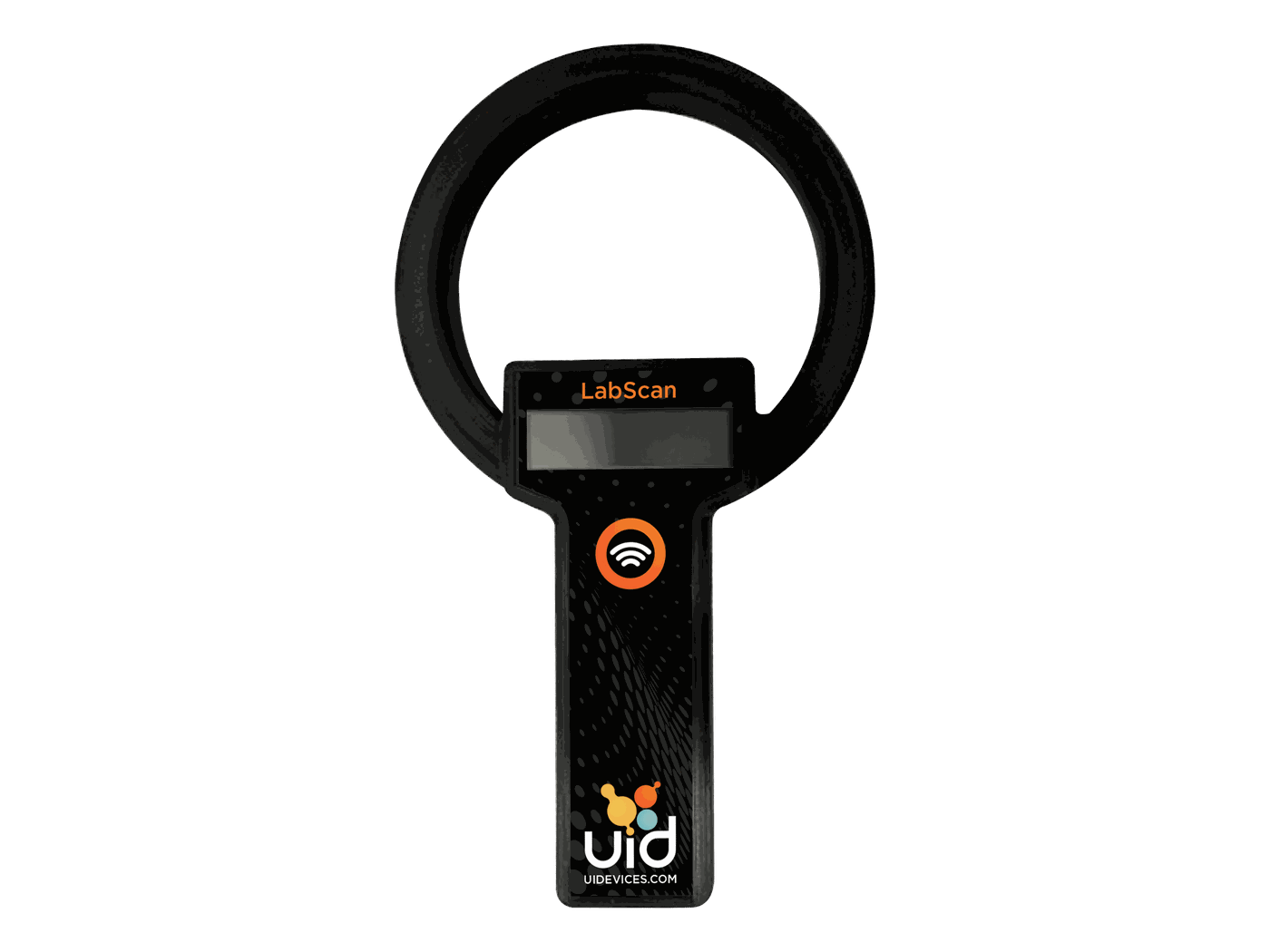
Compact handheld for recapture scanning. Reads FDX-B and FDX-A, charges and sends reads to a PC over USB.
View URH-2Tag size follows the size of the animal. For small-bodied species, the 1.4 x 8.5 mm tag is usually the one you want. For most others, the standard 2.1 x 12 mm tag is the right choice.
The UMTI-10 multi-injector is built around the 2.1 x 12 mm tag only. The 1.4 x 8.5 mm tag is implanted with a single-shot needle instead. If you tag across multiple age classes, plan on both. See injectors and accessories for the details.
UID's tags are FDX-B, the common standard across fisheries and most wildlife studies. Our standard handhelds read FDX-B in-hand for recapture work. If you're running HDX, the URH-300HP is the one UID handheld that reads both FDX-B and HDX.
Yes. UID's FDX-B tags conform to ISO 11784/11785 and are ICAR certified, so any ISO-compliant reader can read them, not just UID hardware.
It depends on the format. Tags pre-loaded in single-shot triple-ground needles ship sterile and individually packaged, which is the right call for clinical or surgical implantation. Tags in cartridges for the UMTI-10 ship non-sterile, which is the practical choice for high-throughput field tagging.
Contact us to see what tags, injectors, and readers you may need to help you in the field.