
UMTI-10 Multi PIT Tag Injector
The UMTI-10 is a cartridge-fed PIT tag injector. Each cartridge holds ten 2.1 x 12 mm FDX-B PIT tags pre-loaded. Pull the handle to implant a tag, then advance to the next animal. After the tenth tag the spent cartridge ejects; load a fresh one and continue. Cartridges are refillable. The injector ships with two empty cartridges and two replacement needles.
- 10 tags per cartridge
- 2.1 x 12 mm tags only
- Refillable cartridges
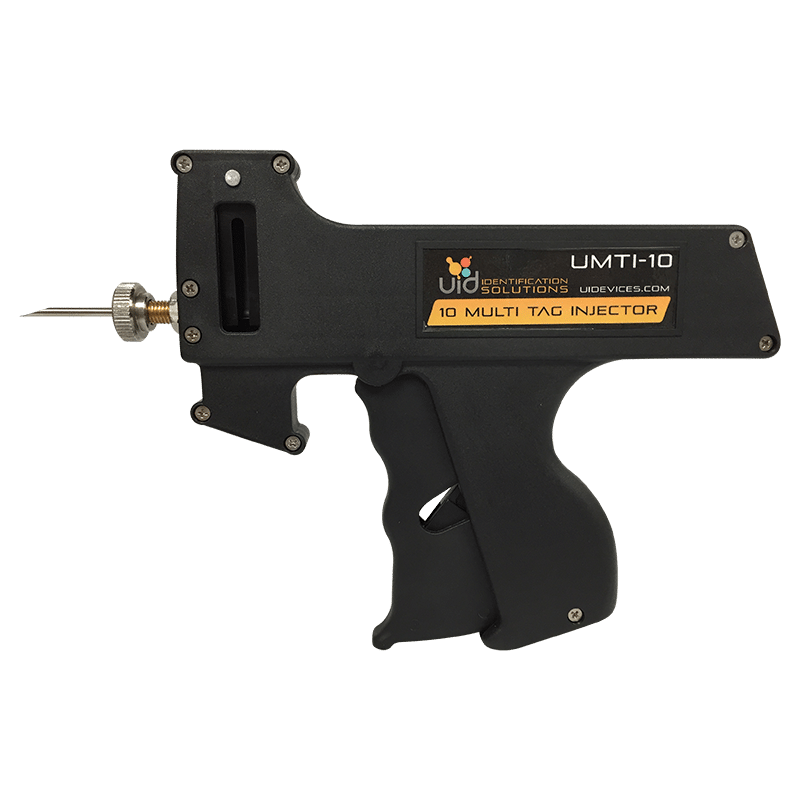
Injector, Cartridges, and Needles
-
UMTI-10 injector body
The reusable, hand-actuated injector. One pull of the handle implants a tag and advances the cartridge to the next position. After ten tags the empty cartridge ejects automatically.
-
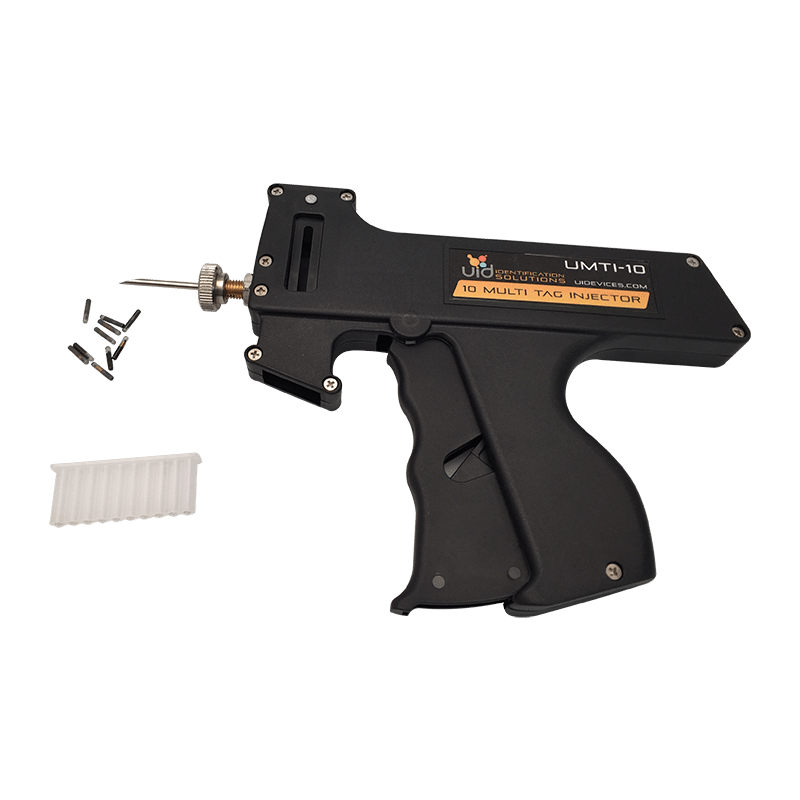
10-tag cartridges (UMTI-CAR)
Pre-loaded cartridges holding ten 2.1 x 12 mm FDX-B PIT tags each. Two empty cartridges ship with the injector; spent cartridges can be refilled and reused. Order pre-loaded cartridges or empties separately to match throughput.
-
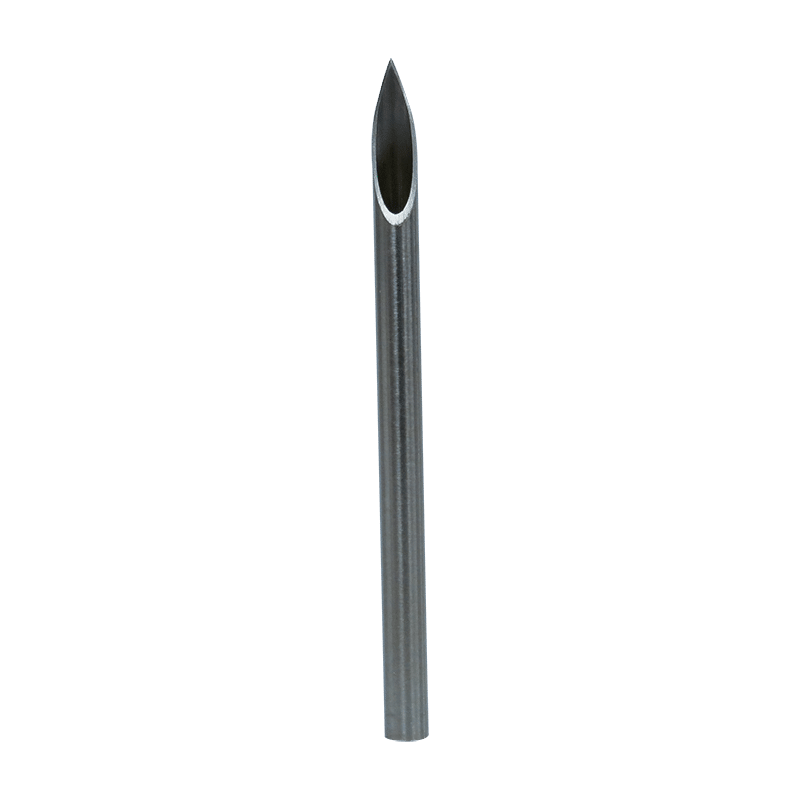
Replacement needles
Two needles ship with the injector. Keep spares on hand — needles are wear items, and a fresh needle protects implant-site outcomes across long field days.
Specifications
You'll Likely Also Need
-
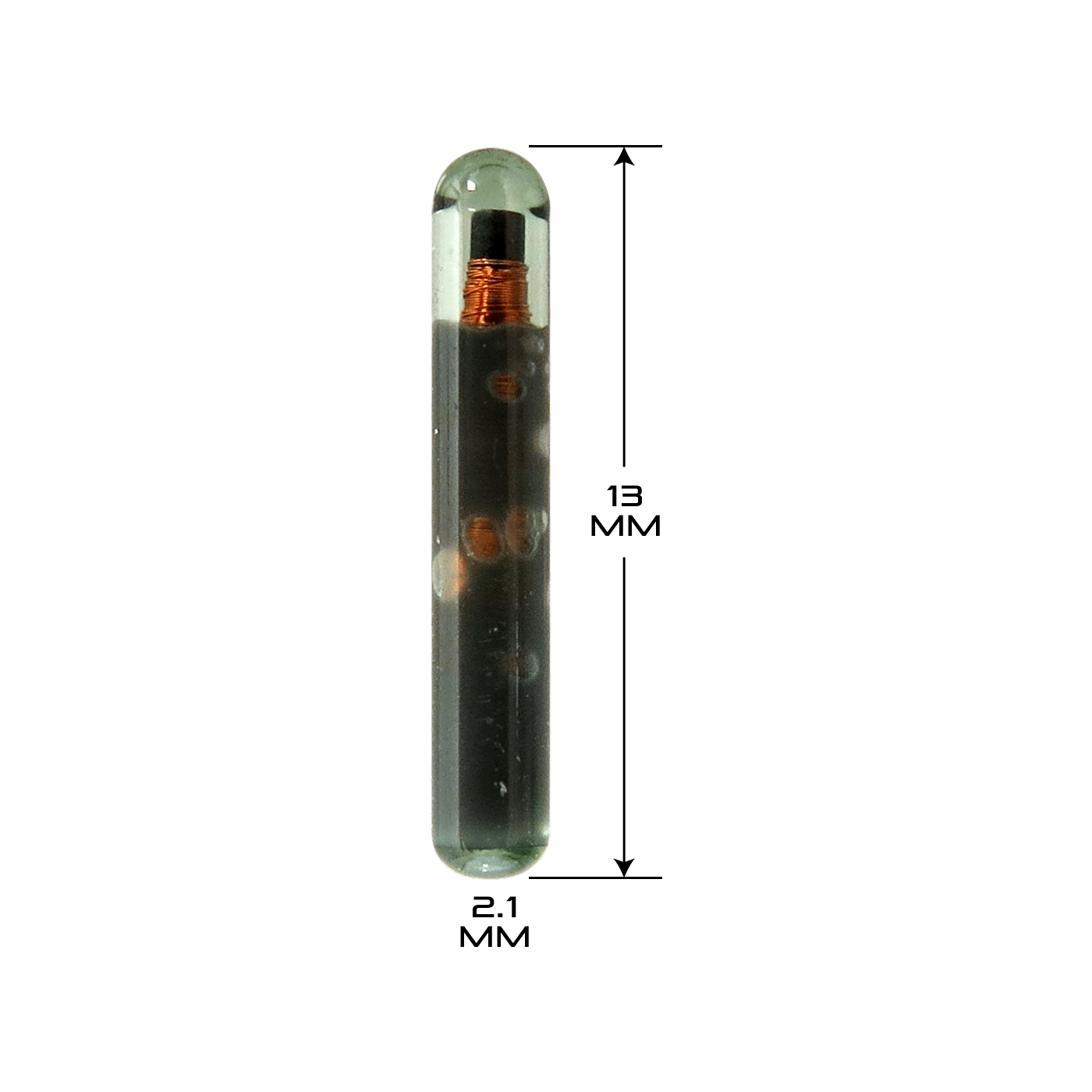 Standard PIT Tag
FDX PIT Tag 2.1 x 12 mm
- ISO 11784/11785
- ICAR Certified
The standard PIT tag at 2.1 x 12 mm for standard sized animals.
View 2.1 x 12 mm Tag -
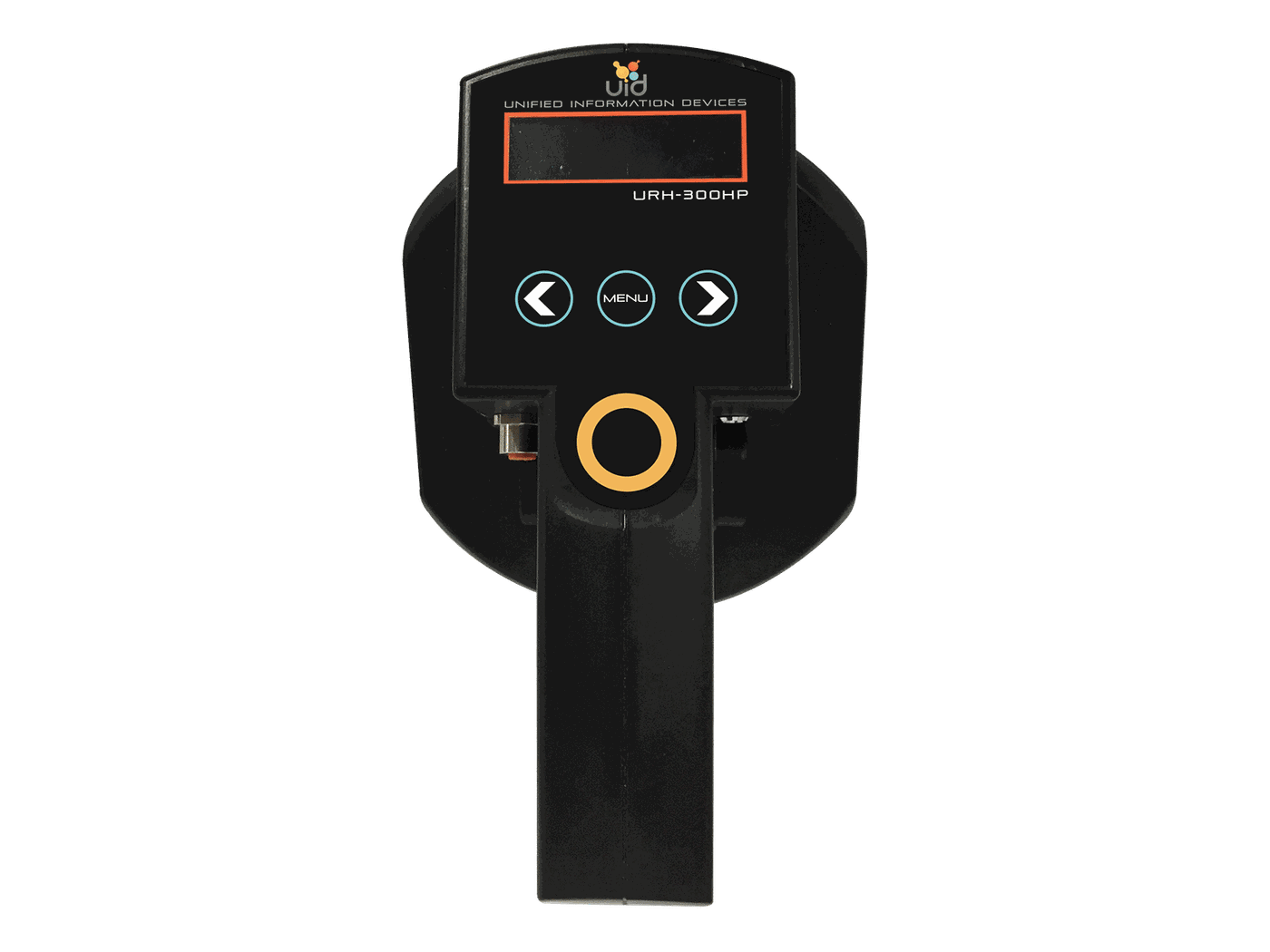 High-Power Handheld
URH-300HP ISO High-Power Reader
- FDX-B + HDX
- 6"–8" Read Range
High-power ISO handheld for fieldwork. Reads both FDX-B and HDX and is IP67-rated for wet field conditions.
View URH-300HP -
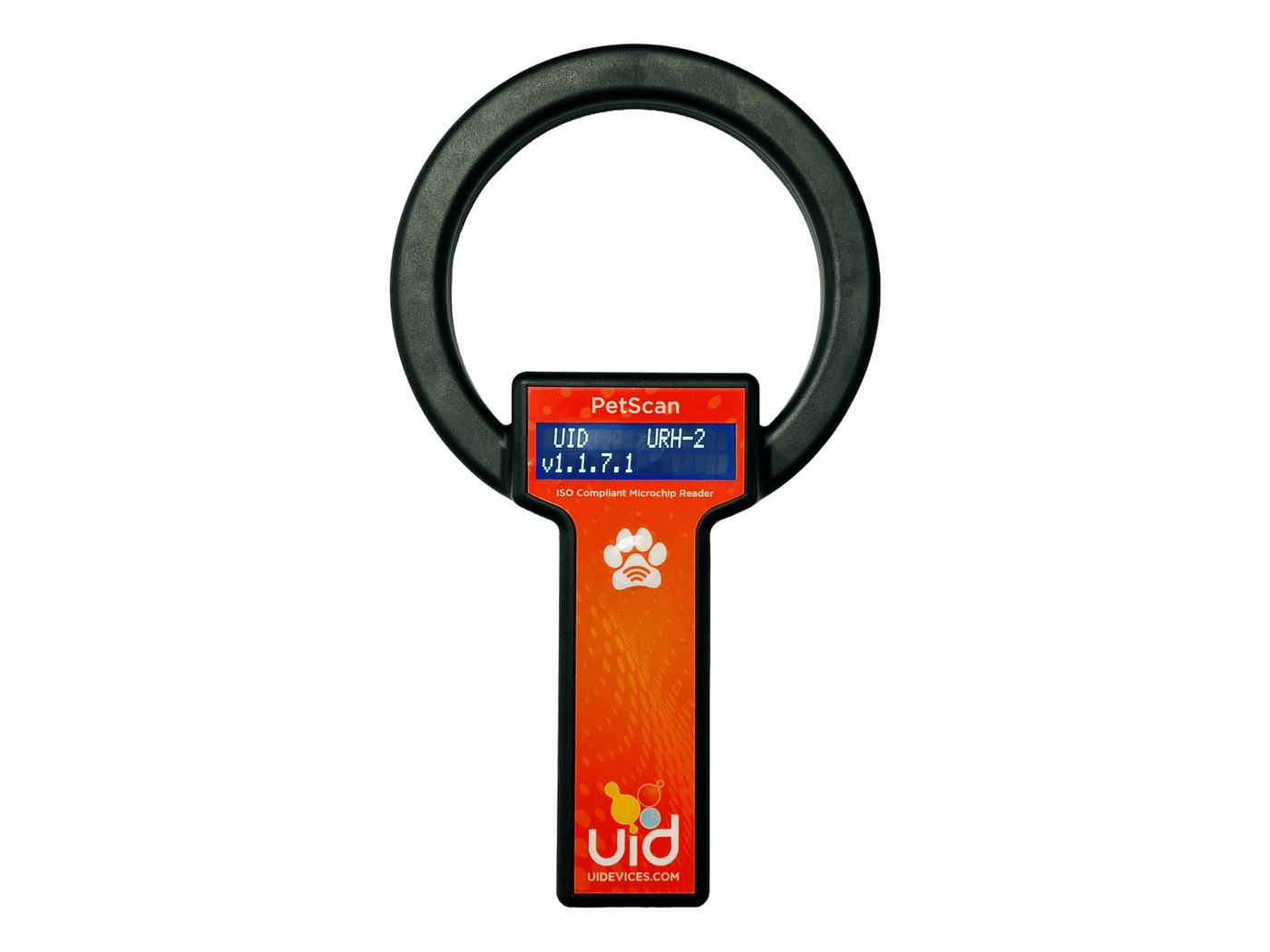 Handheld Reader
URH-2 ISO Handheld Reader
- FDX-B and FDX-A
- 3" Read Range
Compact handheld for recapture scanning. Reads FDX-B and FDX-A, recharges over USB, and sends reads to a PC.
View URH-2
Common Questions
-
What tag sizes does the UMTI-10 handle?
Only 2.1 x 12 mm FDX-B PIT tags. The cartridges are sized for that format and the injector will not accept 1.4 x 8.5 mm tags. If your study uses the smaller tag, use a single-tag injector designed for that size instead.
-
How many tags can I implant before reloading?
Ten per cartridge. The injector advances automatically with each handle pull; after the tenth tag the spent cartridge ejects and a new one drops in. Crews typically carry pre-loaded cartridges into the field rather than reloading between animals.
-
How should the injector and cartridges be sterilized between deployments?
Sterilization protocol depends on your IACUC or permit conditions and the species being tagged. The injector body is reusable and tolerates standard surgical-instrument cleaning; needles are wear items and are typically replaced rather than reprocessed across studies. Contact us if you need guidance on a protocol for a specific deployment.
Planning on Using RFID in the Field?
Call us. We can help you choose the right equipment for your study.