
A complete PIT-tagging kit for fisheries and wildlife work.
FDX-B ISO tags, a 10-shot multi-injector, refillable cartridges, and a portable reader — configured to work together in the field so you can tag, scan, and log without juggling vendors.
- FDX-B ISO
- 10-shot injector
- Portable reader
One configured system for tag-and-recapture work in the field.
The kit pulls together the four pieces a biologist carries to the water's edge: FDX-B ISO-compliant tags, a 10-shot multi-injector fed from a refillable cartridge, an empty cartridge for reloading, and a portable reader for scanning recaptures. Every piece is built on the same ISO 11784/11785 standard, so tags read on UID hardware and on any ISO-compliant reader your collaborators already use.
- Built for the field — boat decks, hatchery raceways, stream-side sampling stations.
- Ten in sequence the multi-injector lets one biologist tag ten fish without breaking sterility between shots.
- The day doesn't stop at ten cartridges reload from bulk tag stock; the reader runs on its own battery and stores reads locally for download back at the truck.
- Pick the tag size 1.4 × 8.5 mm for juvenile salmonids and small-bodied species, or 2.1 × 12 mm for adult game fish where read range matters more than implant size. The rest of the kit stays the same.
Four steps from kit to first recapture read.
-
Pick the tag size
Choose 1.4 × 8.5 mm for juvenile fish, amphibians, and small-bodied species, or 2.1 × 12 mm for adult game fish where read range is the priority. Both are FDX-B and ISO 11784/11785 compliant.
-
Load the multi-injector
Slot a UMTI-CAR cartridge into the UMTI-10 multi-injector. Each cartridge holds ten preloaded tags, so a single load covers a sampling run without breaking sterility between animals.
-
Tag in the field
Implant subcutaneously or intraperitoneally per your protocol. The pistol-grip injector advances a fresh tag with each shot. Reload from spare cartridges between sites or when the cartridge is spent.
-
Scan and log
Use the portable URH-2 reader to scan recaptures on subsequent trips. The reader stores reads locally and exports to your study record — no app, no signal required at the site.
The components, available individually.
Order the kit as a configured bundle, or pick the components that fit your existing field setup. Every piece is ISO 11784/11785 and reads on the same hardware.
-
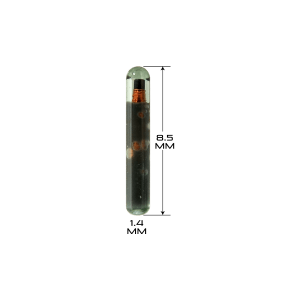 Small-species tag
FDX PIT Tag — 1.4×8.5 mm
The smallest ISO-compliant FDX-B PIT tag UID offers. Biocompatible glass, 128-bit unique ID, 134.2 kHz — built for fish, amphibians, and small mammals.
View tag -
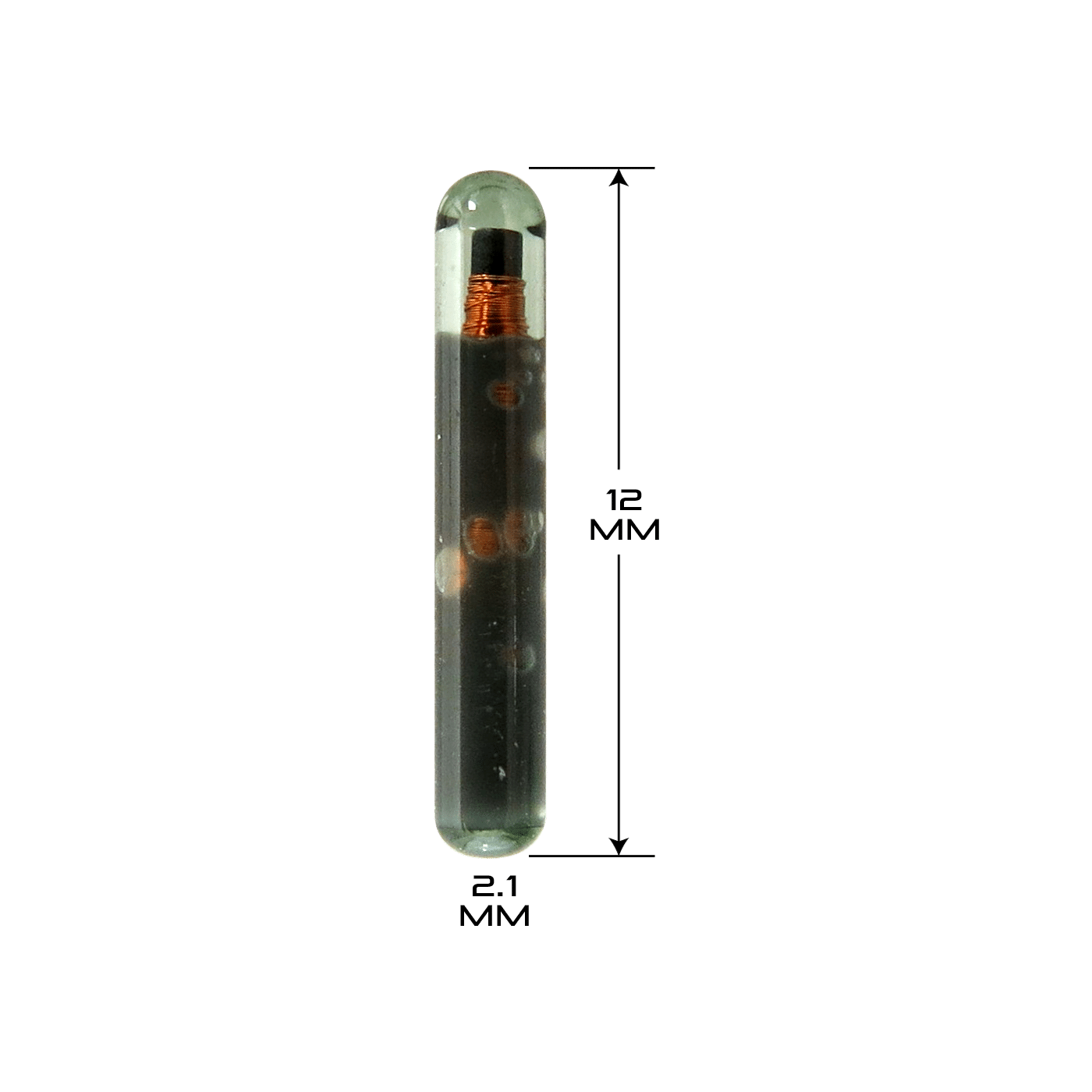 Standard tag
FDX PIT Tag — 2.1×12 mm
The workhorse FDX-B PIT tag — 2.1 mm × 12 mm, ISO 11784/11785 compliant, ICAR certified. The standard size for adult fish, small mammals, and most field studies.
View tag -
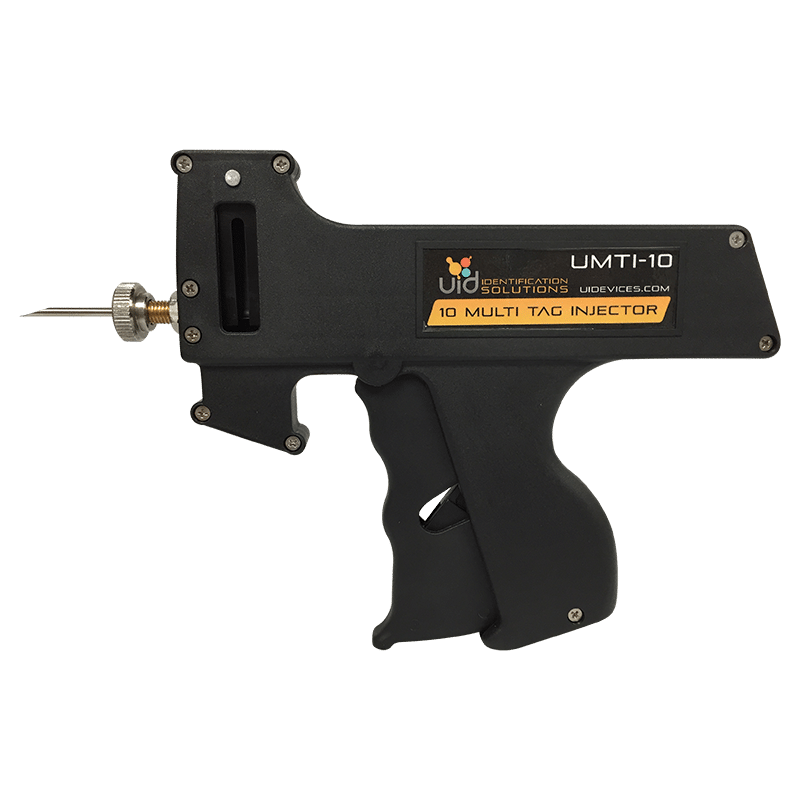 10-shot injector
Multi PIT Tag Injector — UMTI-10
Ten 2.1×12 mm FDX-B PIT tags per cartridge, one trigger pull each. A reloadable, reusable field injector for high-throughput fish, wildlife, and herpetofauna tagging.
View injector -
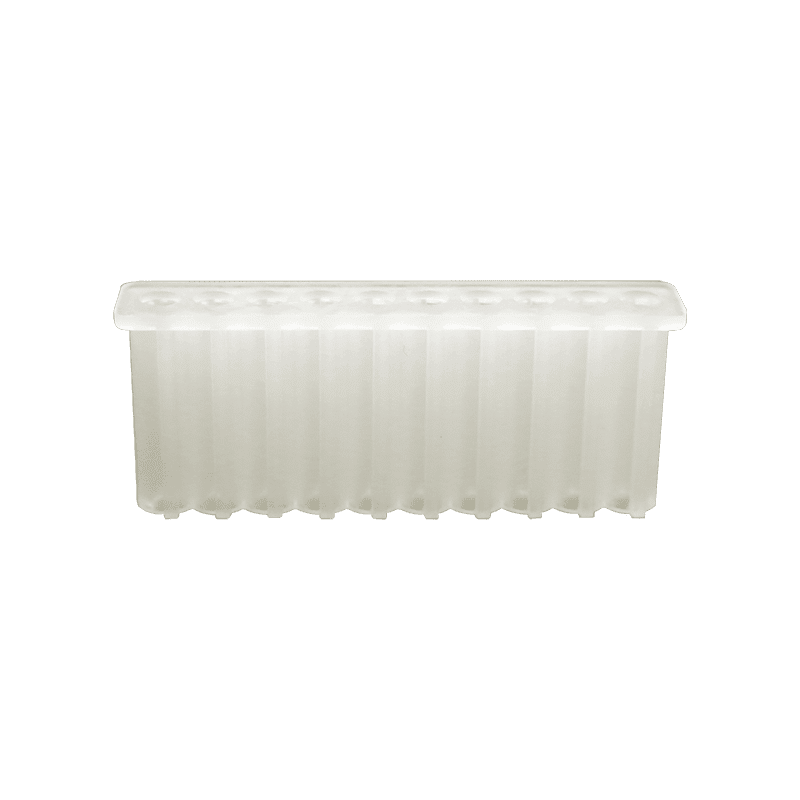 Refill cartridge
Empty PIT Tag Cartridge
Empty cartridges for self-loading 2.1 × 12 mm FDX-B PIT tags into the Multi PIT Tag Injector. Each cartridge holds up to 10 tags. Sold in boxes of 10.
View cartridge -
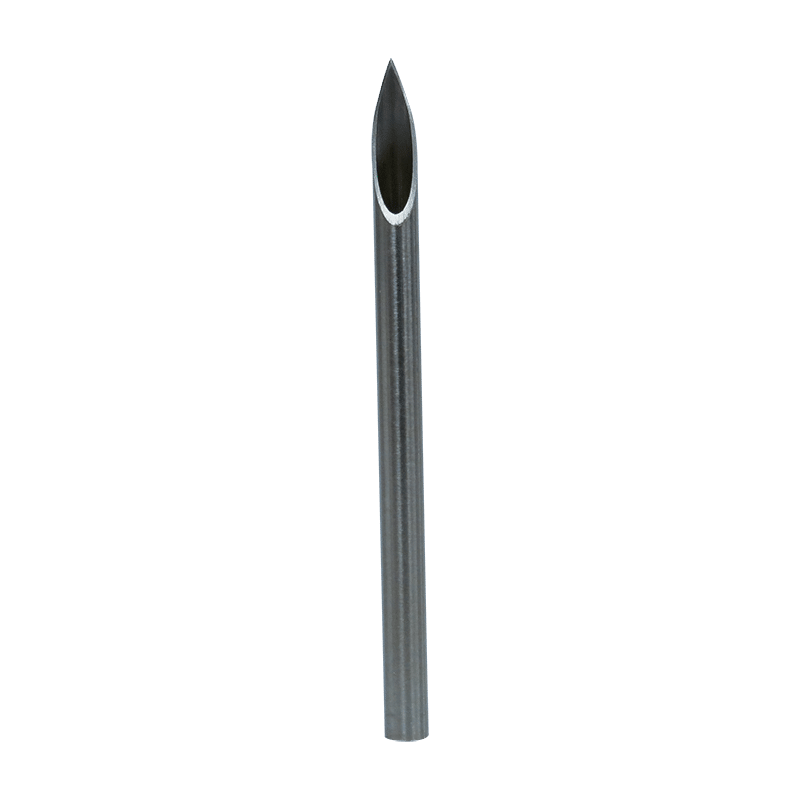 Replacement needle
PIT Tag Injector Needle
Replaceable triple-ground injection needle for the UMTI-10 Multi PIT Tag Injector. Built to ease insertion and minimize tissue trauma during microchip implantation. Box of 10.
View needle
Common questions
-
Which tag size should I order with the kit?
Pick the tag size by the species and life stage you'll be tagging, not by the kit. The 1.4 × 8.5 mm tag fits juvenile salmonids and small-bodied species where a 12 mm tag would compromise retention or survival. The 2.1 × 12 mm tag is the standard for adult game fish and gives a longer read range — better in flowing water or with antenna arrays. If you're tagging across multiple age classes, order both.
-
Will tags from this kit read on a reader I already own?
Yes, as long as the reader is ISO 11784/11785 FDX-B compatible. The tags are standards-compliant, not vendor-locked. The included URH-2 portable reader is the convenient field pairing, but any ISO reader your collaborators or agency partners use will decode the same tags.
-
How many tags can I tag before reloading the injector?
Ten per cartridge. The UMTI-10 multi-injector advances a fresh tag with each shot and holds one cartridge at a time. Carry spare UMTI-CAR cartridges preloaded from your bulk tag stock — that's how a single biologist gets through a 40- or 50-fish sampling run without breaking sterility between animals.
-
Can I run the kit alongside the agency's existing PIT array or detection system?
Yes. Because tags are ISO 11784/11785 compliant, animals tagged with this kit will read on PTAGIS-compatible arrays, agency antenna arrays, and any standards-based detection system. The 2.1 × 12 mm tag is the better choice when you expect the animals to be detected on third-party infrastructure — its read range carries further through water.
-
What about retention and welfare considerations?
Tag retention depends on species, life stage, implant site, and injector technique — not on the kit configuration. Published retention rates for FDX-B PIT tags in salmonids exceed 95% beyond 60 days when implanted intraperitoneally by trained personnel. If you'd like protocol guidance for a specific species or life stage before you commit to a tag size, contact us.
One kit, the whole field workflow.
Tags, injector, cartridges, reader — configured to work together so your sampling day doesn't depend on parts from three vendors. Talk to us about tag size, study population, and whether the standard kit or a custom configuration fits your protocol.