
The standard FDX-B PIT tag. ISO compliant. Longer read range.
The 2.1 mm × 12 mm FDX-B PIT tag is the most widely deployed transponder size in fisheries and wildlife research. Encapsulated in biocompatible glass, it carries a unique 128-bit ID and reads at 134.2 kHz with the URH-1HP-ISO, URH-2 ISO, or any ISO-compliant field reader. Longer read range than the 1.4×8.5 mm tag — the right choice when implant size isn't the constraint.
- 2.1 × 12 mm
- ISO 11784/11785
- ICAR certified
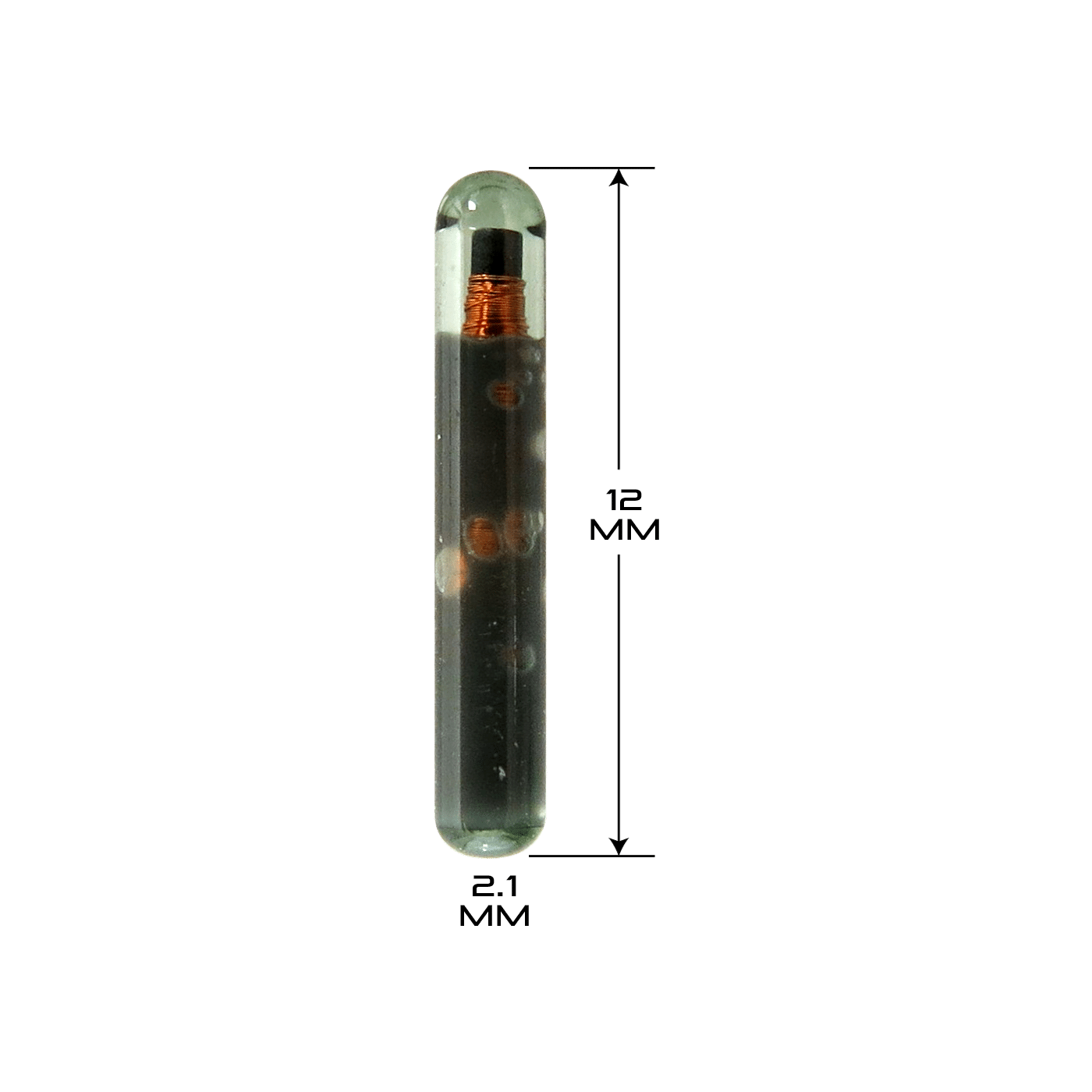
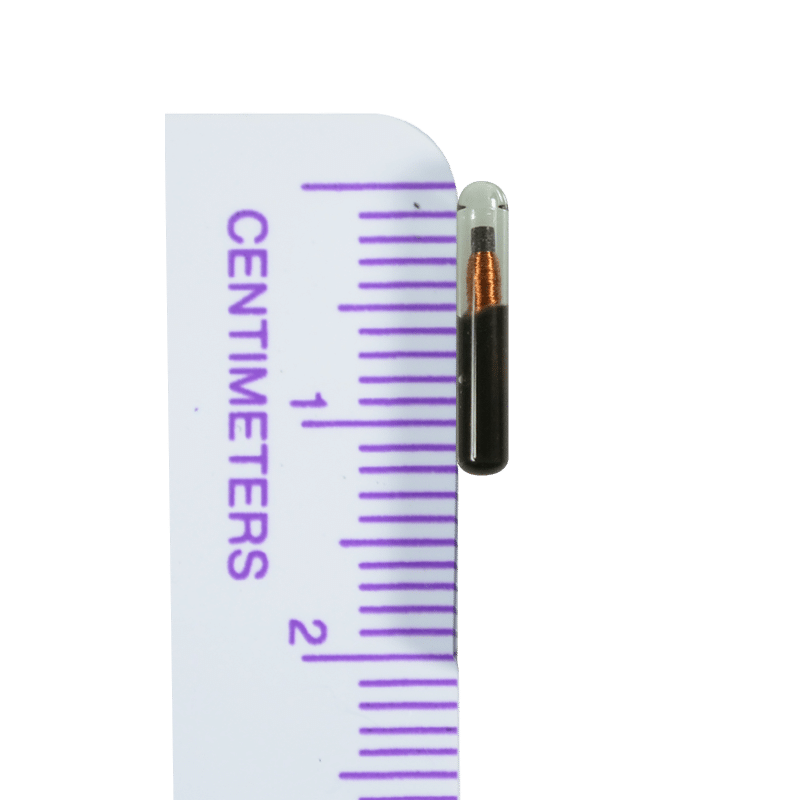
The size most field studies are built around.
At 2.1 mm in diameter and 12 mm long, this is the size most PIT tagging protocols, antenna arrays, and reader pairings are designed around. Read range is longer than the 1.4×8.5 mm tag — enough to matter for flowing-water arrays, instream PIT antennas, and any study where detection probability drives the data. The biocompatible glass capsule and passive design mean no battery and no maintenance. The ID persists for the life of the animal. Suited to adult salmonids, small mammals where 12 mm fits, and the majority of fish and wildlife identification work.
Specifications
Identification
- Protocol
- FDX-B, ISO 11784/11785
- Frequency
- 134.2 kHz
- Identifier
- 128-bit unique ID
- Mode
- Read-only
Physical
- Dimensions
- 2.1 mm (D) × 12 mm (L)
- Weight
- 0.10 g
- Material
- Biocompatible glass encapsulation
Environmental
- Operating temperature
- −25 °C to 85 °C
- Storage temperature
- −40 °C to 85 °C
- Shock & vibration
- Conforms to IEC 68-2-6/29
Compliance
- Standards
- ISO 11784/11785
- Certification
- ICAR certified
You'll likely also need
-
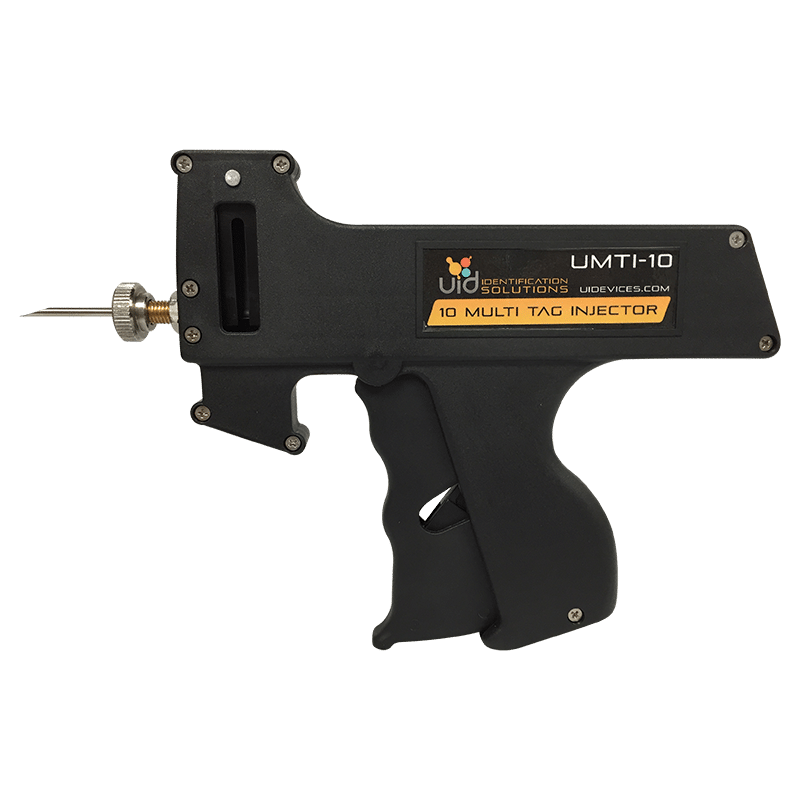 Injector
Multi PIT Tag Injector — UMTI-10
Ten 2.1×12 mm FDX-B PIT tags per cartridge, one trigger pull each. A reloadable, reusable field injector for high-throughput fish, wildlife, and herpetofauna tagging.
View injector → -
%22%3E%0A%20%20%20%20%20%20%3Crect%20width%3D%2228%22%20height%3D%2228%22%20fill%3D%22transparent%22%2F%3E%0A%20%20%20%20%20%20%3Cline%20x1%3D%220%22%20y1%3D%220%22%20x2%3D%220%22%20y2%3D%2228%22%20stroke%3D%22%231e889e%22%20stroke-width%3D%221.4%22%20stroke-opacity%3D%220.18%22%2F%3E%0A%20%20%20%20%3C%2Fpattern%3E%0A%20%20%20%20%3ClinearGradient%20id%3D%22wash%22%20x1%3D%220%22%20y1%3D%220%22%20x2%3D%221%22%20y2%3D%221%22%3E%0A%20%20%20%20%20%20%3Cstop%20offset%3D%220%25%22%20stop-color%3D%22%23eaf5f7%22%20stop-opacity%3D%221%22%2F%3E%0A%20%20%20%20%20%20%3Cstop%20offset%3D%22100%25%22%20stop-color%3D%22%23eaf5f7%22%20stop-opacity%3D%220.6%22%2F%3E%0A%20%20%20%20%3C%2FlinearGradient%3E%0A%20%20%3C%2Fdefs%3E%0A%20%20%3Crect%20width%3D%22100%25%22%20height%3D%22100%25%22%20fill%3D%22url(%23wash)%22%2F%3E%0A%20%20%3Crect%20width%3D%22100%25%22%20height%3D%22100%25%22%20fill%3D%22url(%23hatch)%22%2F%3E%0A%20%20%3Crect%20x%3D%2214%22%20y%3D%2214%22%20width%3D%22452%22%20height%3D%22332%22%20fill%3D%22none%22%20stroke%3D%22%231e889e%22%20stroke-width%3D%223%22%20stroke-dasharray%3D%2216%2012%22%20stroke-opacity%3D%220.55%22%2F%3E%0A%3C%2Fsvg%3E) Complete kit
Complete kitPIT-tagging Kit
Tags, injector, cartridges, and a portable URH-2 reader in one configured bundle — the fastest way to start a tagging study.
Learn more → -
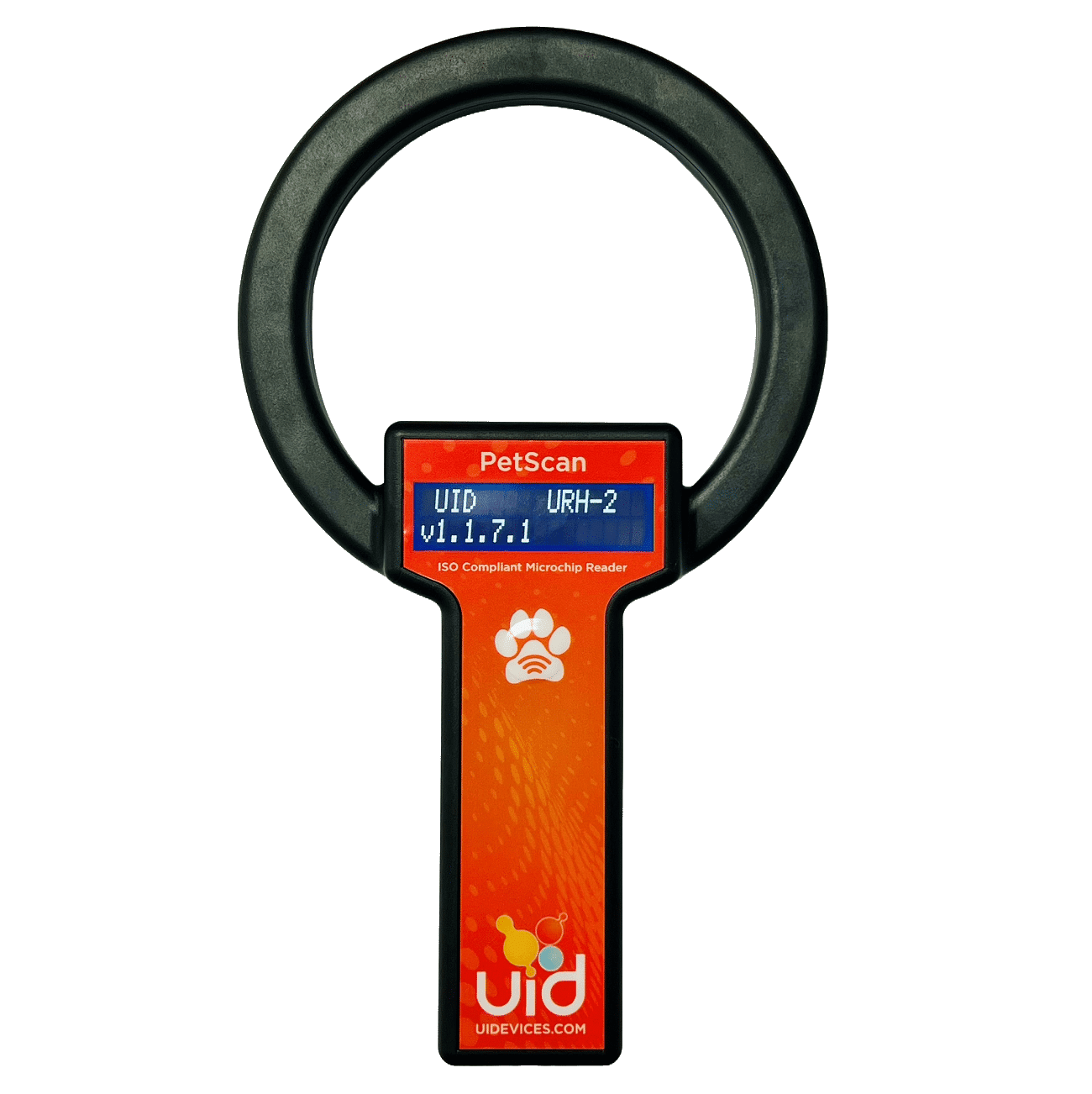 Portable reader
URH-2 ISO Handheld Reader
The URH-2-ISO is a low-power handheld reader for field ID work. Reads low-frequency FDX-B and FDX-A PIT tags, plugs into a PC over USB, and types the number straight into your record.
View reader →
Frequently asked questions
-
When should I use the 2.1×12 mm tag instead of the 1.4×8.5 mm?
Use the 2.1×12 mm when implant size isn't the limiting factor — adult fish, small mammals where 12 mm fits, and any study where read range or detection probability matters. The 1.4×8.5 mm exists for cases where body mass forces a smaller tag (juvenile salmonids, small amphibians); for everything else, the 2.1×12 mm is the standard and gives you better range. If you're spanning age classes or species, contact us and we'll work through the size split before you order.
-
Which readers work with the 2.1×12 mm FDX-B tag?
The URH-1HP-ISO and URH-2 ISO are the standard field pairings; the URH-300HP-ISO high-power reader extends range further for stationary or antenna applications. Any ISO 11784/11785 FDX-B-compatible reader will decode the tag.
-
How are the tags shipped — sterile, in cartridges, or loose?
Tags are shipped in injection-ready cartridges, individually packaged and sterile. Standard configurations include boxes of 100, 500, 1,000, and 10,000. Contact us to confirm packaging format for your order volume.
Not sure which size is right for your study?
Tag size affects implant protocol, read range, and survival outcomes. If you're working across multiple species or age classes — or comparing bulk pricing on both formats — we can help you work through the options before you commit.