
Animal Welfare and Responsible Identification
Every animal deserves thoughtful care, including animals used in research. UID develops RFID identification and monitoring tools that help teams connect records to the right animal, reduce avoidable handling during data collection, and make informed care decisions.
Keep the Individual Animal at the Center
Our contribution starts with practical tools for the people responsible for animals every day: research teams, animal care staff, veterinarians, and field biologists.
Connect Each Animal to Its Care and Study Records
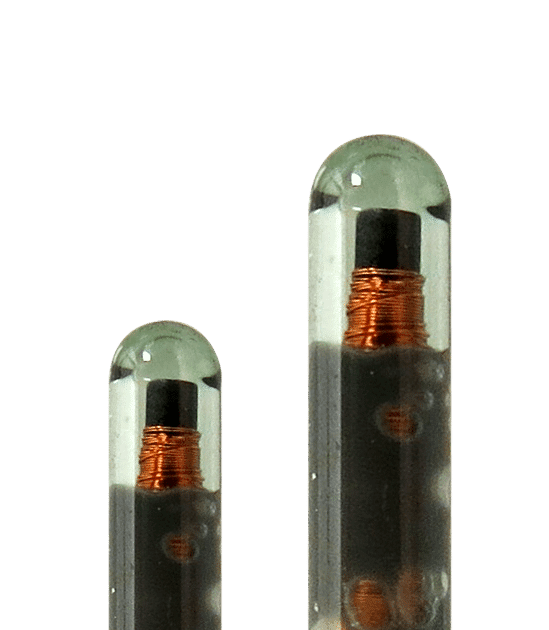
Reliable identification helps animal care and research teams know which animal was observed, measured, or treated. An RFID microchip returns an individual ID through a compatible reader, helping keep records connected through cage changes and study activities.
UID's research microchips offer different sizes and capabilities, including programmable information and temperature sensing. Pairing the chip with the appropriate reader and software supports consistent electronic data capture.
Responsible selection considers the species, age, body size, housing, and study needs. Implantation is a procedure that requires trained personnel and an appropriate veterinary and institutional protocol. Reading an implanted chip is contactless; the amount of handling needed depends on the reader and workflow.
Support Refinement with Home-Cage Monitoring
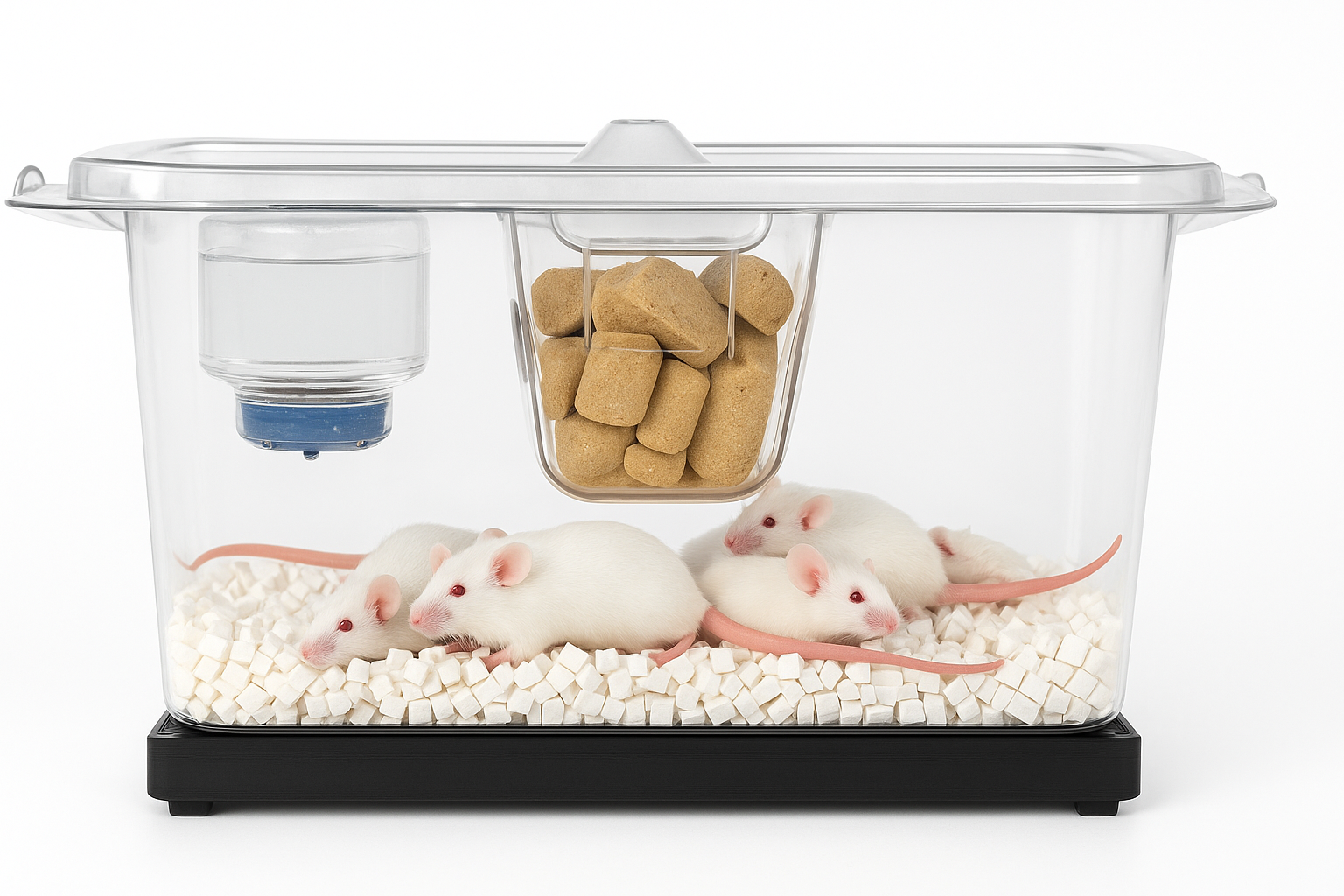
Animal welfare is part of responsible research from study planning through daily care. Handling and restraint can influence an animal's physiology and introduce variation into measurements. Collecting data in the home cage can reduce these disturbances, supporting animal care and more consistent physiological records.
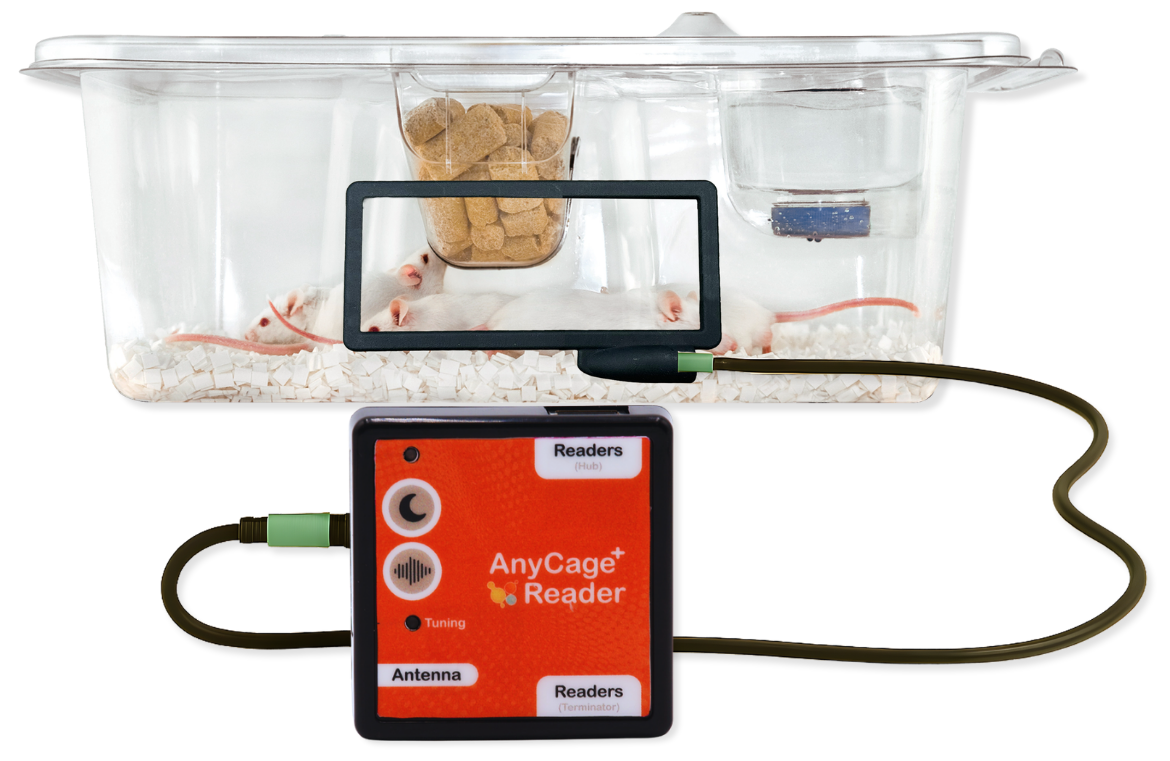
UID's AnyCage Lite and AnyCage+ systems collect individual temperature readings from implanted UCT-2112 transponders. Mouse Matrix adds locomotor activity and zone location. Compatible configurations allow monitoring of individuals in group housing, including during the dark phase.
These records can help teams investigate changes that warrant closer assessment. Automated monitoring complements direct welfare observations, veterinary care, and the study's agreed response procedures. Teams still need to confirm read coverage and data quality in their own cage setup.
Where Identification Fits within the 3Rs
The NC3Rs framework describes three principles for more humane animal research:
- Replacement: Use approaches that avoid or replace animals where they would otherwise be used.
- Reduction: Design robust studies that use animal numbers appropriate to the scientific question and make effective use of the information collected.
- Refinement: Improve animal welfare by minimizing pain, suffering, distress, and lasting harm, including through better housing, care, and procedures.
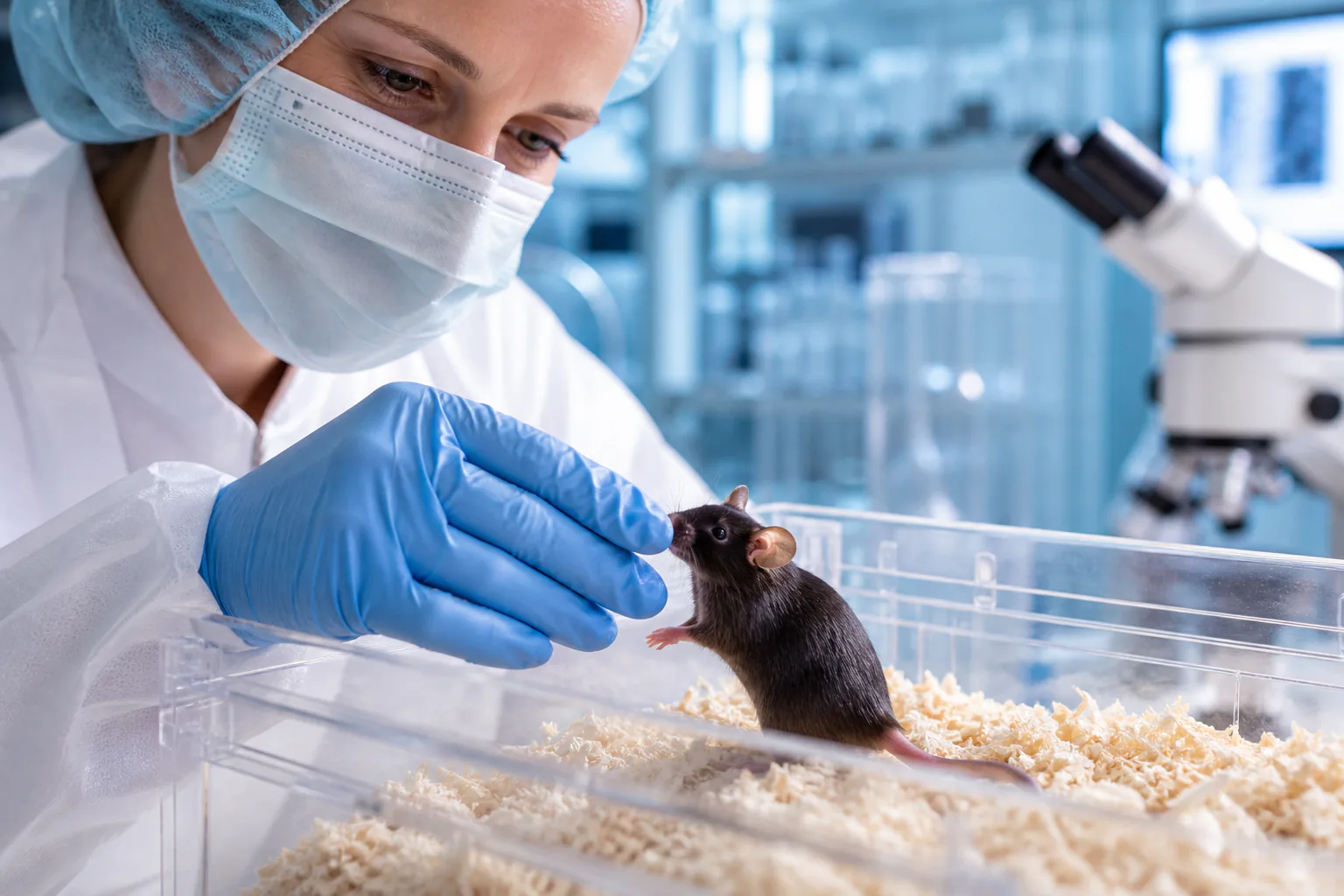
Refinement is where UID's identification and monitoring tools can contribute most directly. After implantation, compatible systems can collect repeated readings in the home cage and retain each animal's identity in the data. Whether a particular workflow is a refinement depends on the animal, procedure, and study conditions.
Support Reduction Through Longitudinal Monitoring. Following the same animal over time helps researchers connect physiological measurements to an individual baseline and study history. Reliable RFID identification and consistent monitoring can support more informative study designs and reduce gaps in the record. Where scientifically appropriate, these approaches may help researchers answer their questions using fewer animals.
Consistent identification and measurement records can also help limit unusable data and avoidable repeat experiments caused by missing or mismatched measurements. Animal numbers must still be justified through appropriate study design and statistical analysis.
Replacement involves approaches that avoid or replace animal use. UID's identification and monitoring tools support studies involving animals; decisions about replacement methods remain part of study planning and ethical review.
Responsible Identification for Pets, Fish, and Wildlife
The purpose of identification changes with the setting. Animal welfare remains a consideration when choosing a tag, planning its placement, and deciding how the animal will be read.
Animal Welfare Resources
Use these resources to explore the principles and research behind individual monitoring. Findings from a particular study should be assessed in the context of your own protocol.
- Independent guidance · NC3Rs
The 3Rs Framework
Definitions and examples of Replacement, Reduction, and Refinement from the UK's national organization for the 3Rs.
- UID article
RFID Monitoring in Surgical Studies
Explore how continuous temperature and activity records can support monitoring during rodent surgical studies, alongside direct welfare checks.
- Conference poster · 2025
Temperature, Activity, and Model Endpoints
Adenigbagbe and colleagues used the UID Matrix system to investigate temperature and activity in malaria models and explore endpoint refinement.
Animal Welfare and Identification Questions
-
How does animal identification support animal welfare?
Individual identification helps teams connect the right animal to its observations, care history, and study measurements. RFID adds electronic reading and recording options. The welfare impact depends on selecting an appropriate identification method and using it within the animal's care and research protocol.
-
Can RFID reduce handling of laboratory animals?
It can reduce handling for some data collection tasks. After a compatible transponder is implanted, home-cage monitoring can collect repeated readings without removing the animal for each measurement. Handheld scanning may still require handling or restraint, depending on the species and setup.
-
Is RFID microchip identification non-invasive?
Implantation involves placing a transponder under the skin and is an invasive procedure. Subsequent RFID readings are contactless. Species, body size, chip dimensions, placement, and personnel training all matter when a veterinary or research team evaluates the method.
-
How does UID support the 3Rs in animal research?
UID can support Refinement by reducing repeated handling for data collection, and Reduction by connecting repeated measurements to the same animal over time. Consistent records can help limit unusable data and avoidable repeat studies. Whether this allows fewer animals depends on study design and statistical analysis. Replacement means avoiding or replacing animal use; UID's identification and monitoring systems are tools for studies involving animals.
-
Does automated monitoring replace animal welfare checks?
No. Temperature and activity data complement direct observation and veterinary assessment. Animal care teams still perform the checks and interventions required by their protocol and use monitoring data as additional information.
-
How should we choose an animal identification system?
Start with the species, age, body size, housing, study duration, and data you need. Then assess chip size, reader compatibility, handling requirements, and record management with the responsible veterinary or research team. UID can help compare animal identification options for the workflow.
Build Animal Welfare into Your Identification Workflow
Tell us about your animals, housing, current handling steps, and the information you need. We can help match identification and monitoring tools to your team's requirements.