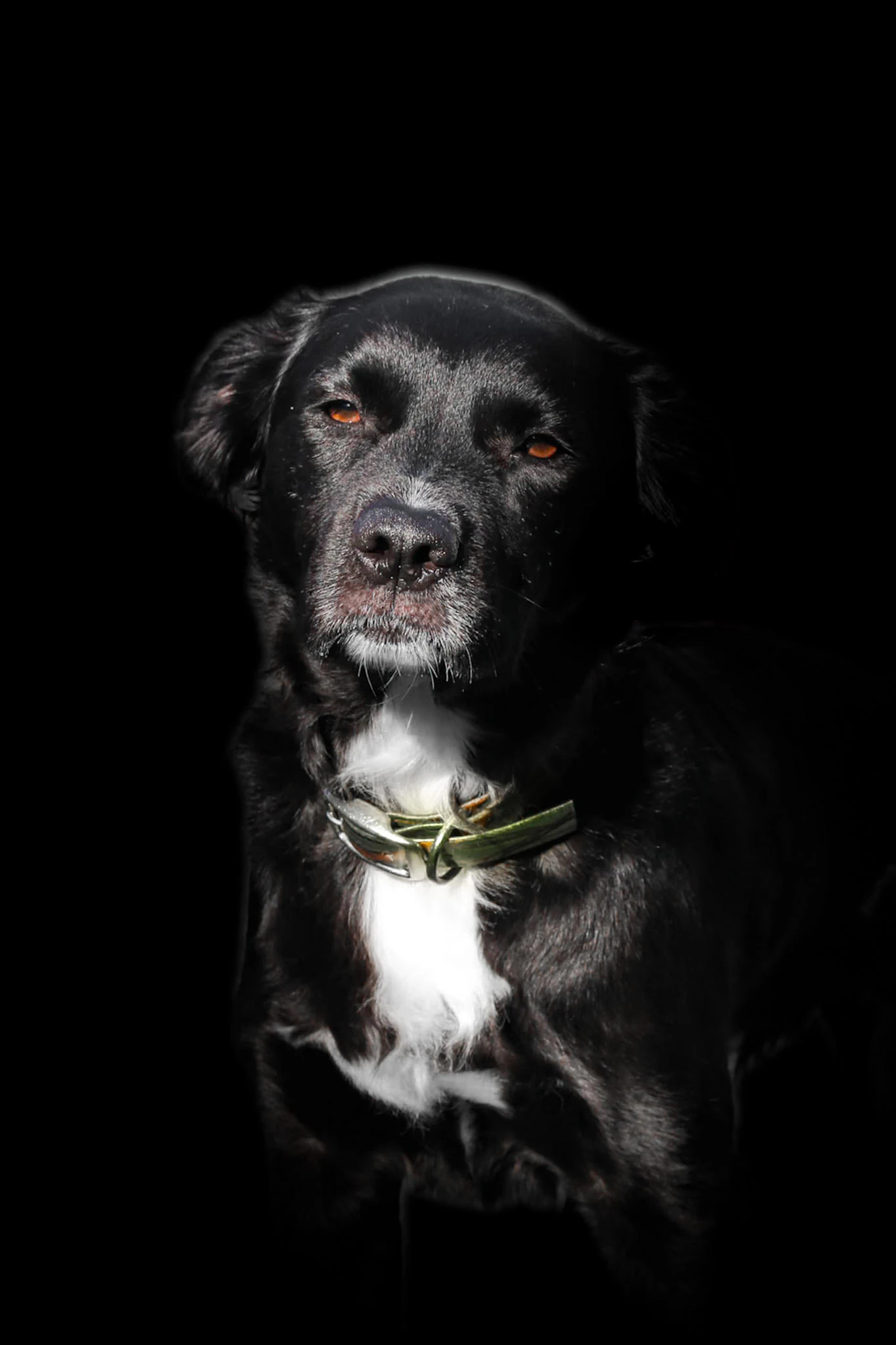
Meet Baloo. He’s an 8-year-old Border Collie/Am Staff mix who is always on the lookout for the next best thing, whether it’s food, a squirrel to chase, or a random noise he feels obligated to alert us about. Thanks to his Border Collie ancestry, Baloo is also a bit too intelligent for his own good.
At one point, Baloo figured out how to unlock our sliding glass door. Somehow, this bored troublemaker learned to flip the lock, slide the door open, unlatch the screen door, and push it aside. There were more instances than I care to admit when he let himself, and his doggy siblings, out for an adventure. Luckily, the pack almost always made its way to the house next door, so recovery was simple.
Stories like Baloo’s are a dime a dozen, but they don’t all end with a quick visit to the neighbors. Sometimes the furry adventurers take a lap around the block, or set off on a journey of discovery three cities away. An escape is every pet parent’s nightmare, which is why microchipping has become such an important part of bringing lost pets home.
The Missing Link: Registration
Microchipped pets are far more likely to make it home. In a 2009 study published in the Journal of the American Veterinary Medical Association, researchers collected data on more than 7,700 microchipped animals at 53 U.S. shelters. The median return-to-owner rate for microchipped stray dogs was 52.2%, compared with 21.9% for stray dogs overall at those shelters. The difference for cats was even more dramatic: 38.5% for microchipped stray cats, compared with 1.8% for stray cats overall. 1
But the same study revealed a major obstacle: registration. When shelters contacted a microchip registry, only about 58% of the chips were actually registered in that database. 1
A microchip is only as useful as the contact information linked to it.
Without a current registration, a chip number can leave the finder with more work to do before reaching the pet’s family.
In over 12 years in veterinary medicine, I’ve lost count of how many times someone brought in a found pet, we scanned the chip, and discovered it had never been registered. Many pet parents don’t even realize registration is a separate step. Most veterinary teams explain it after implantation, but then the pet parent walks out the door and life happens. Maybe they’re focused on their pet’s recovery from a spay or neuter, or they’re overwhelmed by their first visit with a new puppy or kitten. Registration slips through the cracks, and that’s where microchip programs often fail.
When Good Intentions Meet a Busy Clinic
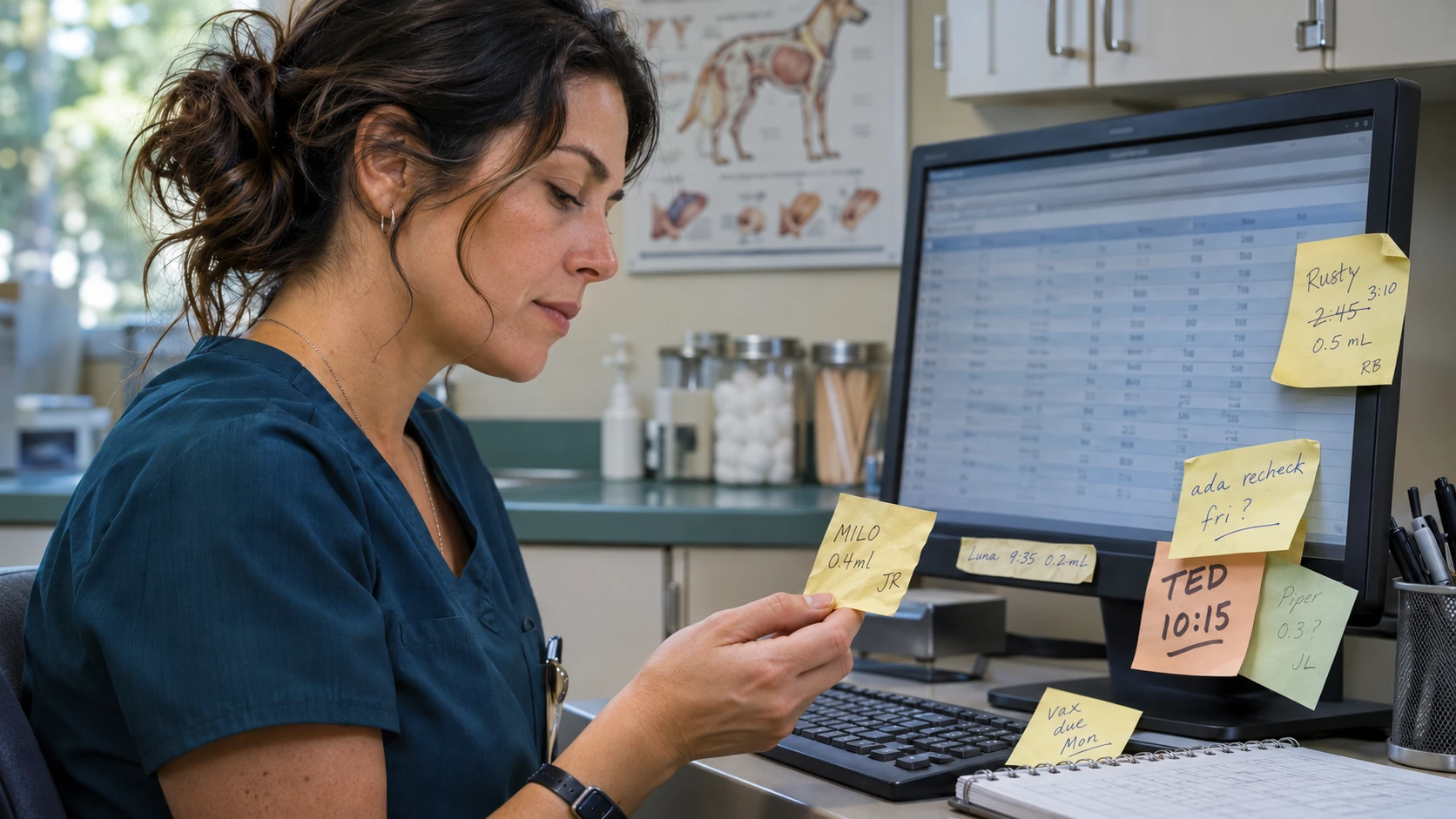
Some clinics register microchips on behalf of pet parents after implantation. It’s a fantastic effort, but it adds one more task to the plate of a veterinary technician who likely already has too much to do, which means it can be forgotten.
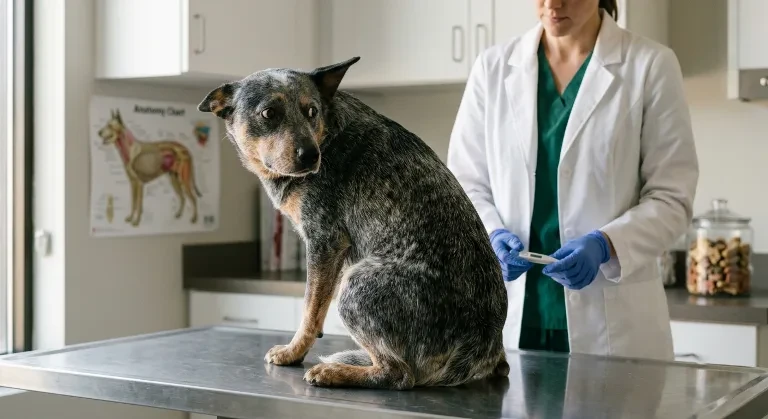
Vet techs and assistants, I’ve been in your shoes. You sit down to register a chip, and suddenly you’re needed in five places at once: calming a stressed-out patient, drawing blood from the bulldog because everyone else has used up their three pokes, or answering Mrs. Smith’s follow-up question. We all mean well, but things happen, just as they do for pet parents.
A Safety Net from Day One
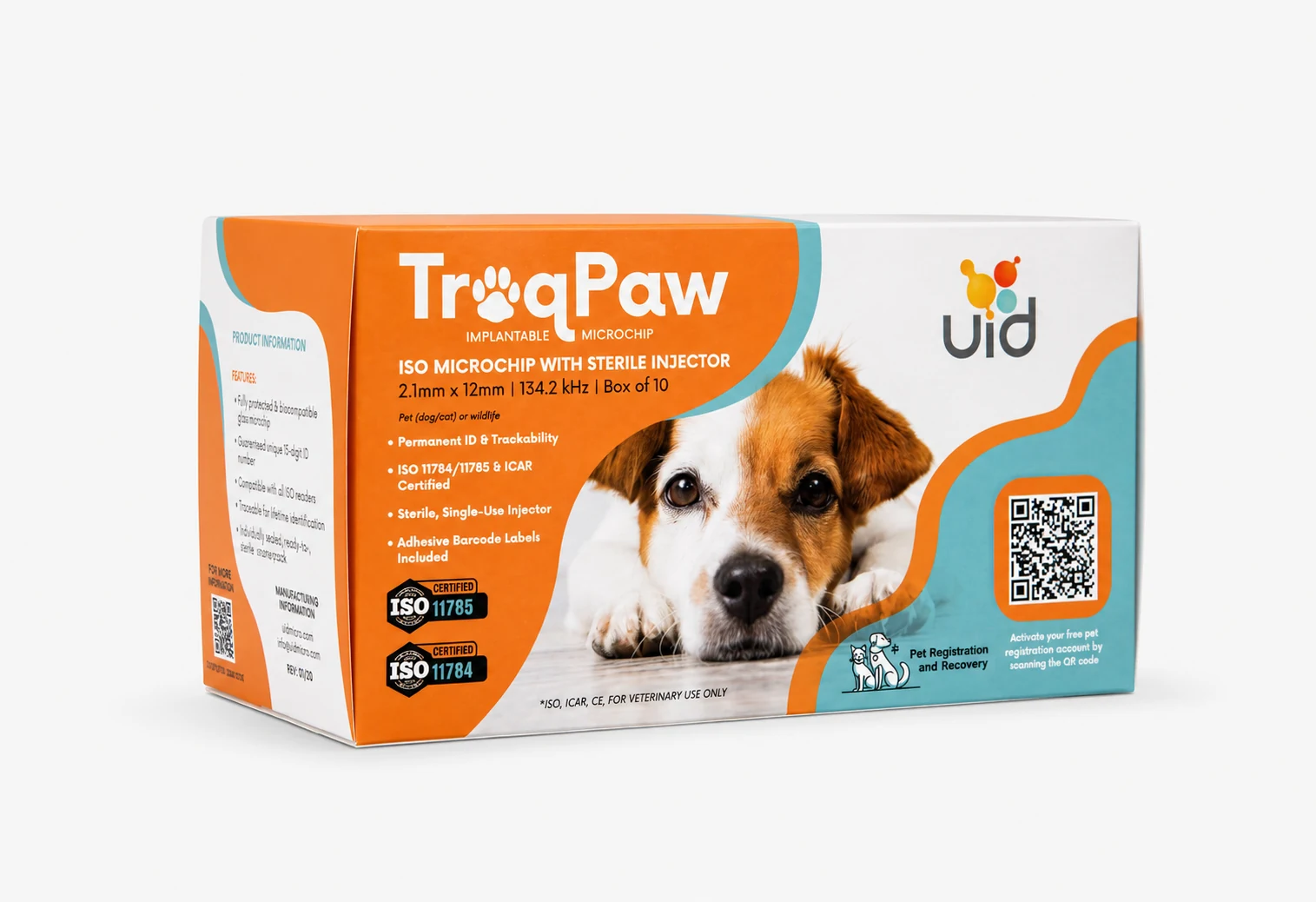
This is where TraqPaw comes in. TraqPaw microchips from Unified Information Devices (UID) are pre-registered to the veterinary clinic that purchases them, so each chip is linked to the clinic from the moment it arrives. If the pet parent never completes registration, or the technician gets pulled away, or the chip paperwork slides off the counter and disappears, the chip is still connected to your clinic’s contact information. Even if a pet bolts from the car the moment it gets home from its appointment, a team scanning the chip has a place to start.
Pet parents should still register and update their own information. In the same JAVMA study, outdated or disconnected phone numbers and owners who never responded to calls or letters were among the most common reasons shelters couldn’t reunite a chipped pet with its family. 1 People move, change phone numbers, and switch clinics, and the registry needs to keep up. But a pre-registered chip gives the finder a clinic contact to follow up with. That connection can help a pet make it back home, whether they wandered next door like Baloo or ended up three cities away.
Not sure your pet’s chip is registered? Ask your veterinary team to scan it at your next visit, then look up the number using AAHA’s Universal Pet Microchip Lookup to find a participating registry associated with the number. Contact that registry to confirm your contact information is current. The lookup tool itself does not display or update pet owner details.
About the Author
Weronika Shore, CVT, is a veterinary products specialist at Unified Information Devices. A certified veterinary technician with more than 12 years of experience in small animal and exotics practices, she has worked across reception, technician workflows, and practice management. She is passionate about the human–animal bond and using technology to improve efficiency, accuracy, and compliance in veterinary medicine.
Reference
-
Lord LK, Ingwersen W, Gray JL, Wintz DJ. Characterization of animals with microchips entering animal shelters. J Am Vet Med Assoc. 2009;235(2):160–167.
The return-to-owner percentages reported above are shelter-level median rates, not a randomized comparison of chipped and unchipped pets.