
A Complete PIT-Tagging Kit for Fish and Wildlife
FDX-B ISO tags, a 10-shot multi-injector, refillable cartridges, and a handheld reader. Everything you need to tag, scan, and log in the field.
- FDX-B ISO
- 10-shot injector
- Portable reader
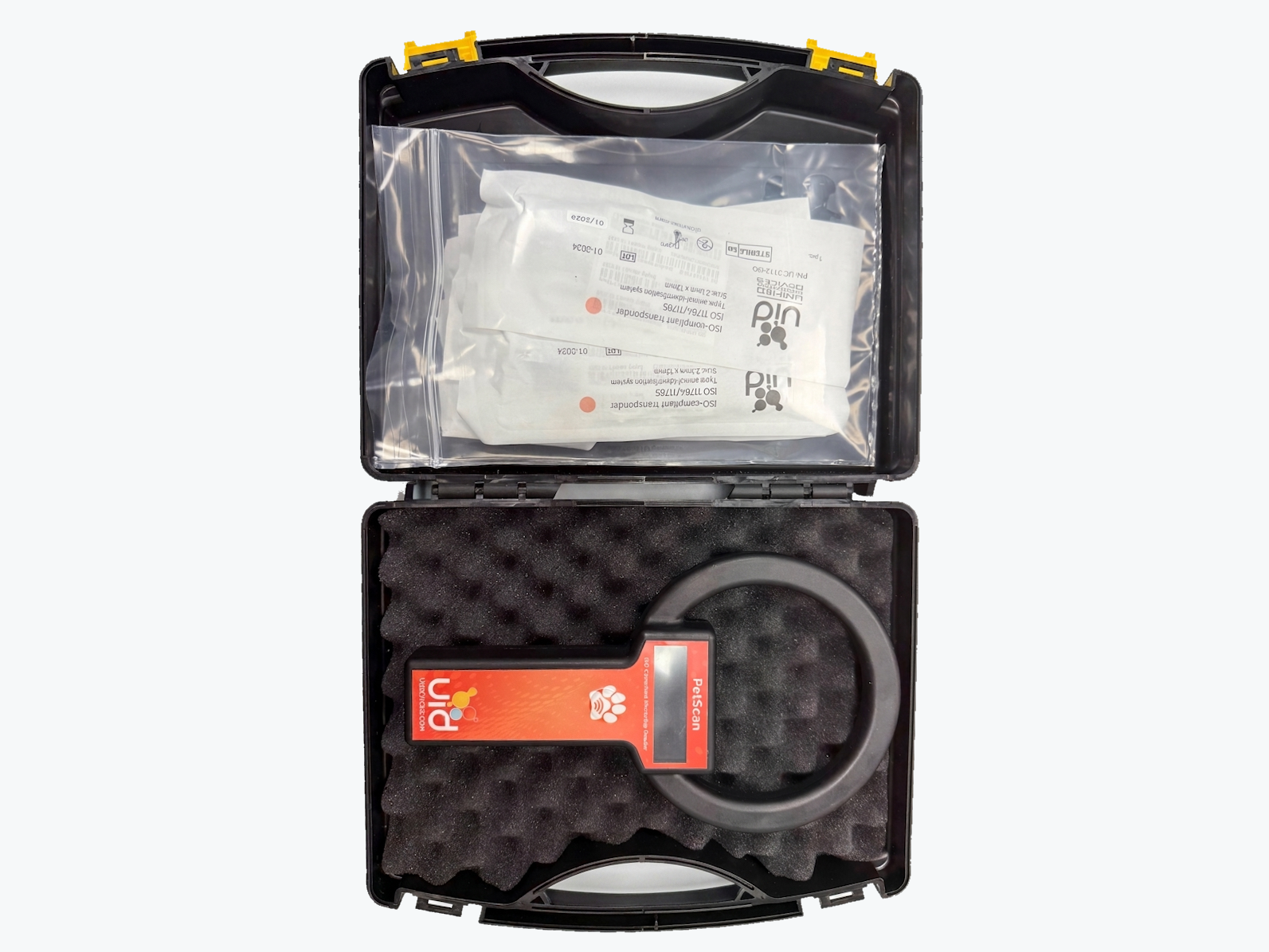
One System for Tag-and-Recapture
The kit puts four essential field work tools together in one hard case: FDX-B ISO-compliant tags, a 10-shot multi-injector fed from a refillable cartridge, an empty cartridge for reloading, and a portable reader for scanning recaptures.
- Built for the field — boat decks, hatchery raceways, stream-side sampling stations.
- Ten in sequence — the multi-injector lets one person tag ten animals without reloading between shots.
- The day doesn't stop at ten — one box of 10 cartridges allows you to tag up to 100 animals with minimal reload time.
- Tag compatibility — the UMTI-10 uses 2.1 x 12 mm tags. The smaller 1.4 x 8.5 mm tags require a separate compatible single-tag injector.
Four steps from kit to first recapture read.
-
Confirm the tag size
The kit's UMTI-10 uses 2.1 x 12 mm FDX-B PIT tags. If your study requires 1.4 x 8.5 mm tags, use a separate single-tag injector designed for that size.
-
Load the multi-injector
Slot a UMTI-CAR cartridge into the UMTI-10 multi-injector. Each cartridge holds ten preloaded tags.
-
Tag in the field
Implant subcutaneously or intraperitoneally per your protocol. The pistol-grip injector advances a fresh tag with each shot. Reload from spare cartridges between sites or when the cartridge is spent.
-
Scan and log
Use the handheld URH-2 reader to scan recaptures. The reader stores reads locally and exports to your study record — no app, no signal required at the site.
What's Included
Order the kit as a configured bundle, or pick the components that fit your existing field setup.
-
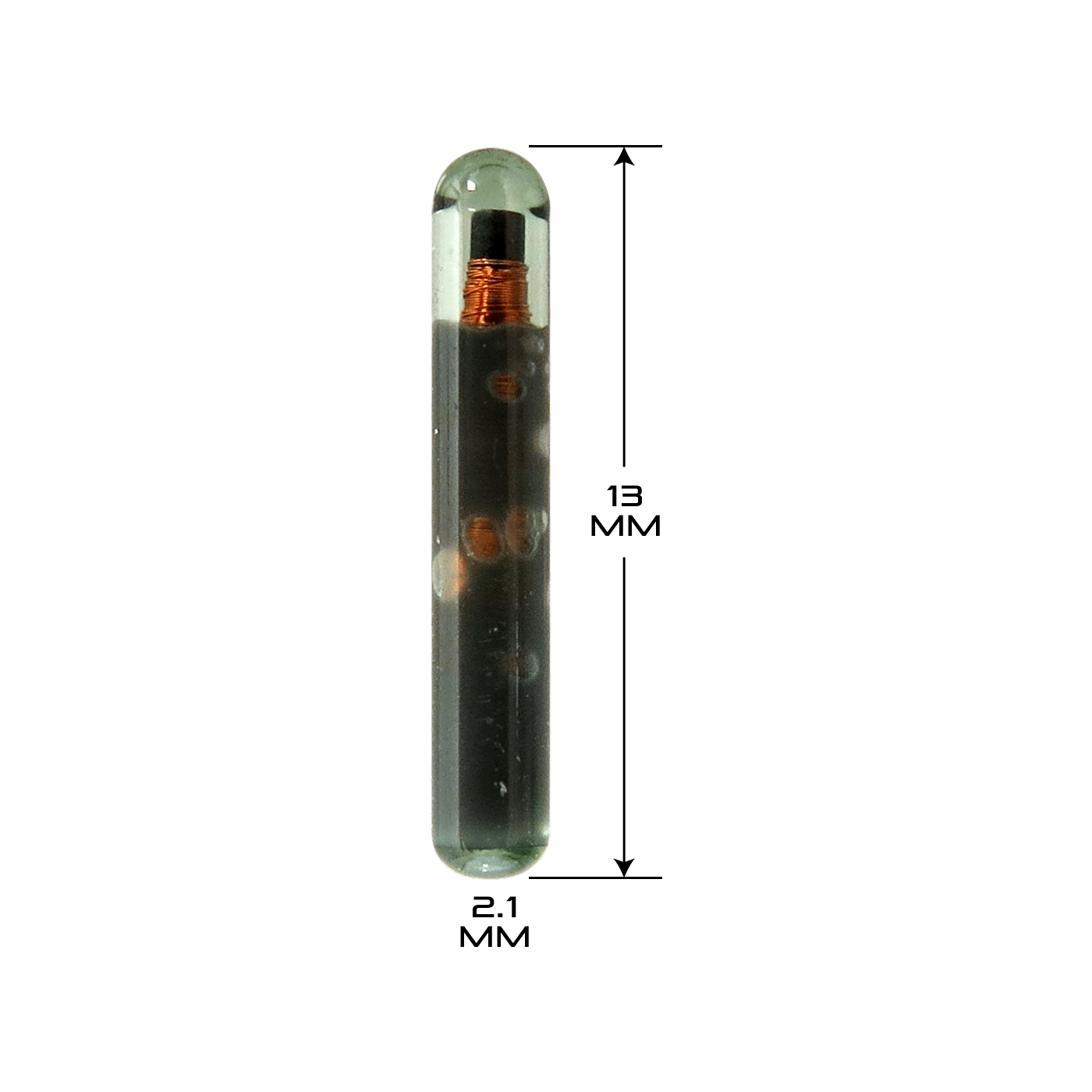 Standard PIT Tag
FDX PIT Tag 2.1 x 12 mm
- ISO 11784/11785
- ICAR Certified
The standard PIT tag at 2.1 x 12 mm for standard sized animals.
View 2.1 x 12 mm Tag -
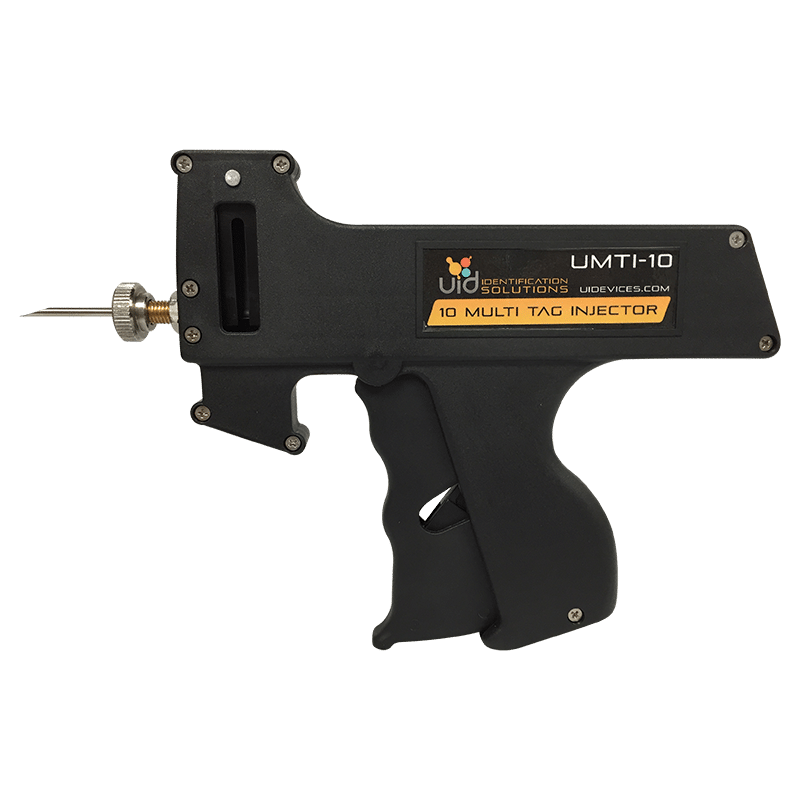 Multi-Tag Injector
UMTI-10 Multi PIT Tag Injector
- 10 per Cartridge
- 2.1 x 12 mm Only
Cartridge-fed injector that places 10 tags in sequence, allowing you to implant several animals before reloading.
View UMTI-10 -
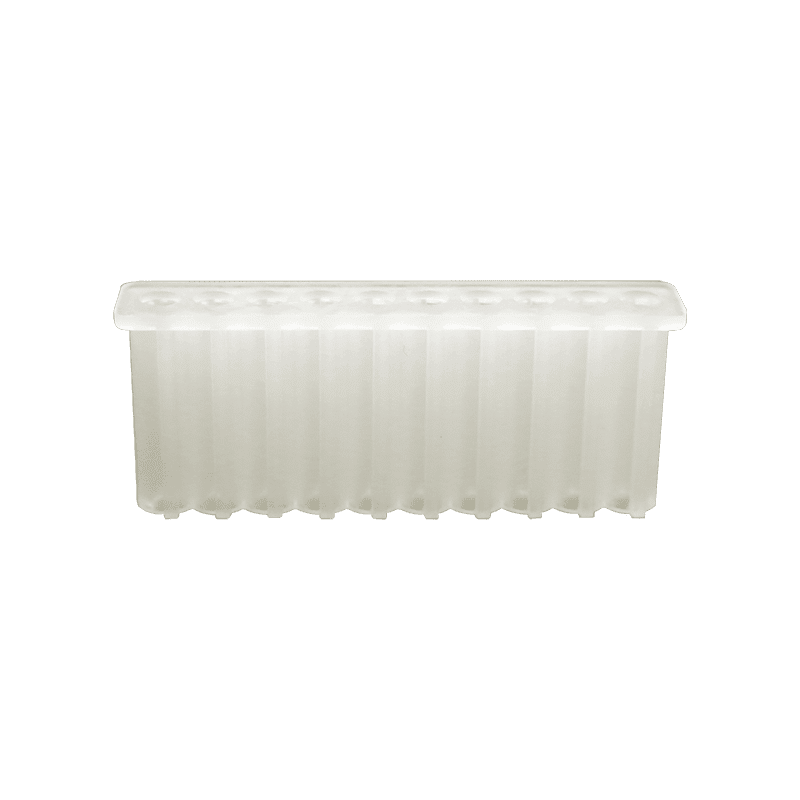 Refill Cartridge
Empty PIT Tag Cartridge
- Up to 10 Tags
- Box of 10
Reusable cartridge for self-loading up to ten 2.1 x 12 mm FDX-B PIT tags into the UMTI-10 Multi PIT Tag Injector.
View UMTI-CAR Cartridge -
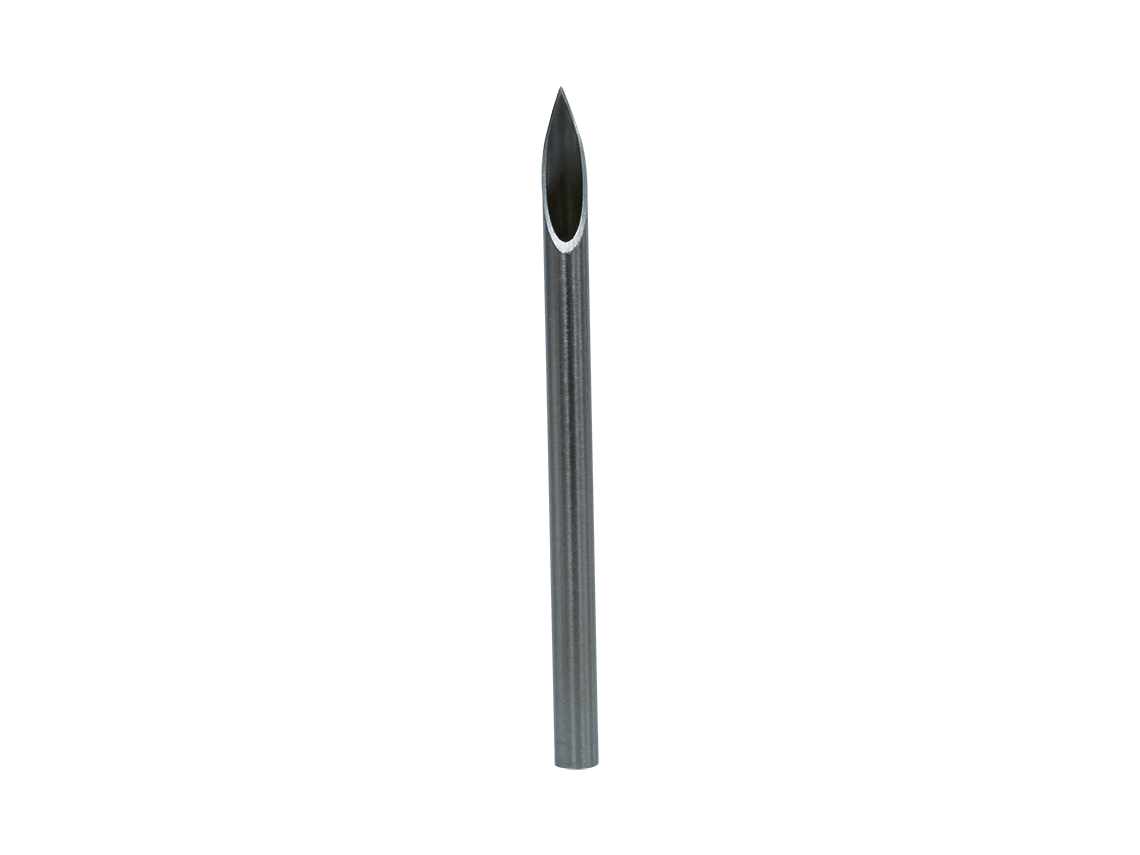 Injector Needle
PIT Tag Injector Needle
- Triple-Ground Tip
- Box of 10
Replaceable triple-ground injection needle for the Multi PIT Tag Injector. Box of 10.
View needle
Common questions
-
Which tag size should I order with the kit?
Pick the tag size by the species and life stage you'll be tagging. The 1.4 x 8.5 mm tag fits juvenile salmonids and small-bodied species. The 2.1 x 12 mm tag is the standard for larger animals and gives a longer read range. If you're tagging across multiple age classes, order both.
-
How many tags can I tag before reloading the injector?
Ten per cartridge. The UMTI-10 multi-injector advances a fresh tag with each shot and holds one cartridge at a time.
-
Can I run the kit alongside the agency's existing PIT array or detection system?
Yes. UID PIT tags are ISO 11784/11785 compliant. Animals tagged with this kit will read on PTAGIS-compatible arrays, agency antenna arrays, and other standards-based detection system. The 2.1 x 12 mm tag is the better choice when you expect the animals to be detected on third-party infrastructure — its read range carries farther through water.
-
What about retention and welfare considerations?
Tag retention depends on species, life stage, implant site, and injector technique — not on the kit configuration. Published retention rates for FDX-B PIT tags in salmonids exceed 95% beyond 60 days when implanted intraperitoneally by trained personnel. If you'd like protocol guidance for a specific species or life stage before you commit to a tag size, give us a call.
Looking to integrate RFID into your study?
Give us a call. We can help you choose the right products for your work.