ID Made Easy
Research Get in Touch Shop
Controlled substances · Research facilities

Your Controlled-Drug Log Is Only as Good as the Syringe That Filled It In

A DEA-registered facility runs hundreds of protocols through Schedule II–V drugs, tracked by hand and measured by a syringe that was never built for a partial draw. The CSI-360 weighs every dispense, ties it to the person who made it, and puts every cabinet on one dashboard.

  • One dashboard, every cabinet
  • Every dispense tied to a person
  • Weighed, not estimated

What the Paper Log Is Actually Up Against

  • $19,246 Per recordkeeping violation, as of the 2025 DOJ inflation adjustment
  • Up to 15% Measured error on a one-tenth-capacity syringe draw (Journal of Medical Devices, 2018)
  • 2 years How long DEA records must be kept and available for inspection (21 CFR 1304)

Why the Log and the Shelf Stop Agreeing

A syringe is calibrated at one point: full volume. Most controlled-substance doses are partial draws, and the further below full volume you go, the further the reading drifts. A handwritten log only records what someone says left the vial. Multiply that by the hundreds of protocols and dozens of techs your facility runs, and the drift compounds into a number nobody can fully explain.

  • Physics, not technique — syringe tolerance is normal, not a mistake any one tech is making.
  • A shared key and a paper binder — a diverter's two best friends. "Who had access" stops being a record and becomes a reconstruction.
  • Compliance stays the registrant's job — 21 CFR 1304 still requires a physical biennial inventory; a good record just makes that count fast instead of a week-long project.
The CSI-360 answer

What Changes When the Cabinet Does the Accounting

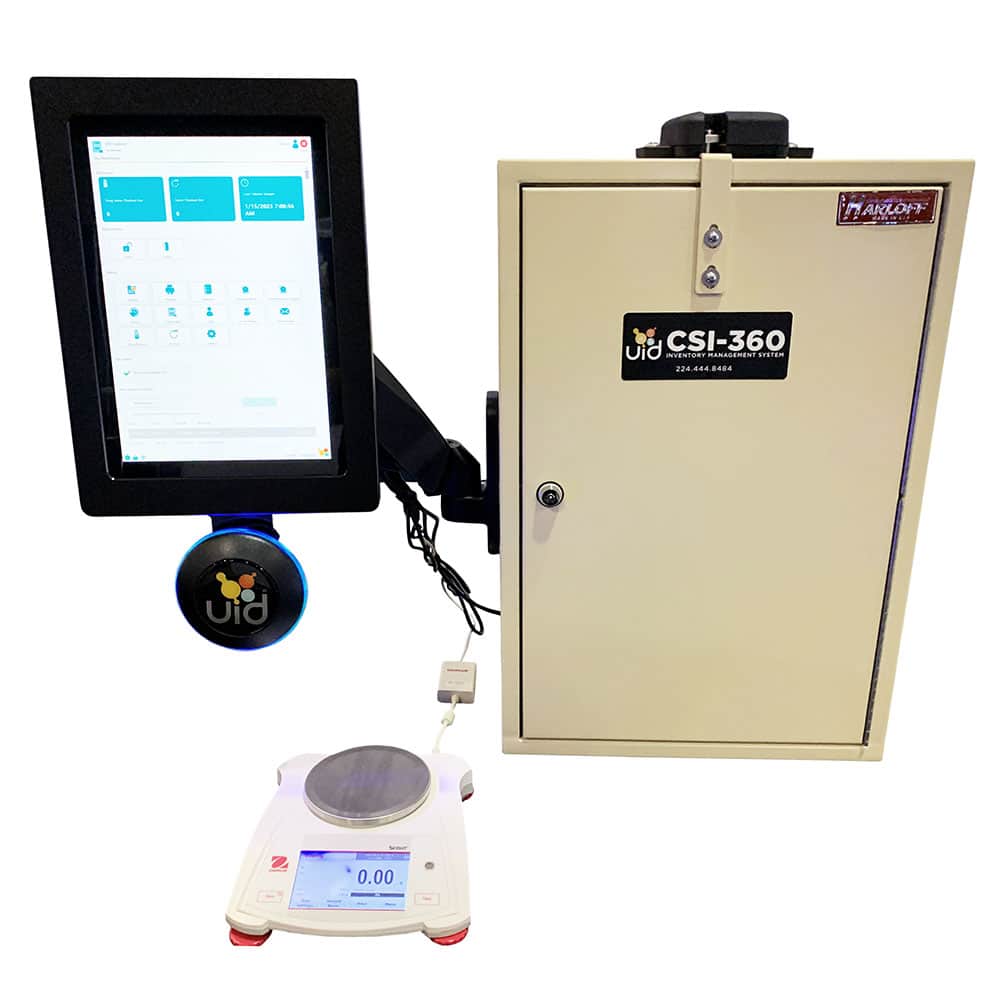
Every dispense weighed, authenticated, and logged the moment it happens — across every cabinet the facility runs.

  • Weighed The scale converts weight to volume by the drug's specific gravity, not a syringe estimate.
  • Accountable Every dispense logs the authenticated user, substance, amount, and timestamp automatically.
  • Two-factor The lock only releases once an RFID credential and a PIN both check out, and the login screen confirms it's the right person.
  • Witnessed Some dispenses need two sets of eyes; Multi User Authentication enforces that before the door unlocks.
  • Current The record writes itself at the moment of dispense, instead of being reconstructed from memory at end of shift.
  • Networked Cabinets share a single system regardless of how many rooms the facility spreads across.
  • Centralized One place sets who can access what, and every cabinet on the network honors it.
  • Alerted Stock dropping past its threshold raises an alert automatically, not whenever the next person opens the cabinet.
  • Reportable Pull inventory, activity, or user-access history whenever a question comes up, not just at inspection time.
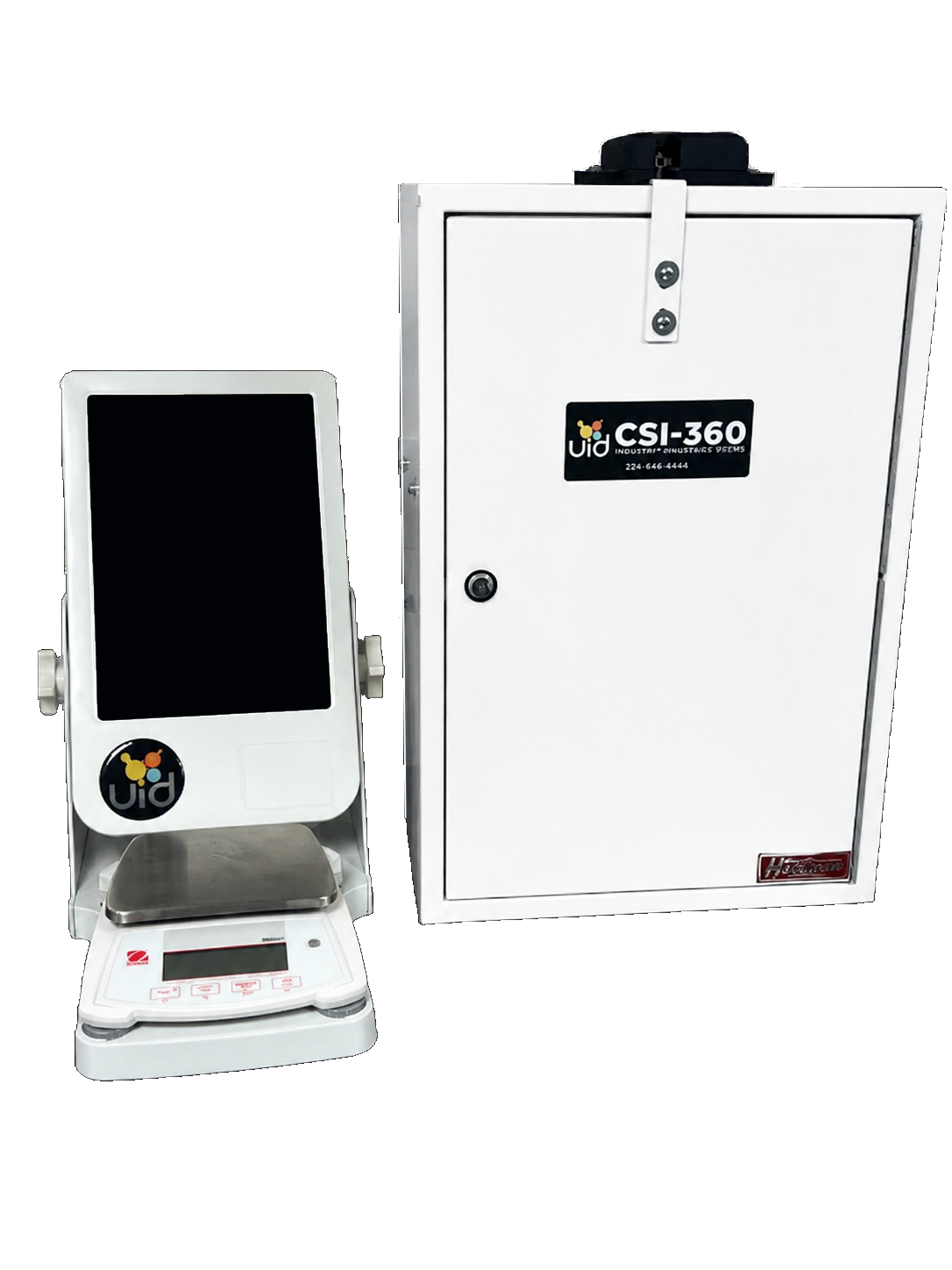
  • Retrofit-ready Installs on the DEA-compliant cabinets, safes, refrigerators, and freezers already on the registration.
Side by side

Paper Log and Syringe vs. CSI-360

Capability Paper Log and Syringe CSI-360
Dispense amount Syringe estimate Weighed, specific gravity
Log entry Handwritten, after the fact Automatic, at dispense
Who had access Shared key Per-user two-factor
Witnessed dispense Signature line Second login, enforced
Facility view A binder per room One dashboard
Low inventory Found at the cabinet Alert, facility-wide
At inspection Assembled, explained Running balance, on demand
How it closes the gap

From a Locked Cabinet to a Reconciled Record

  1. Authenticate

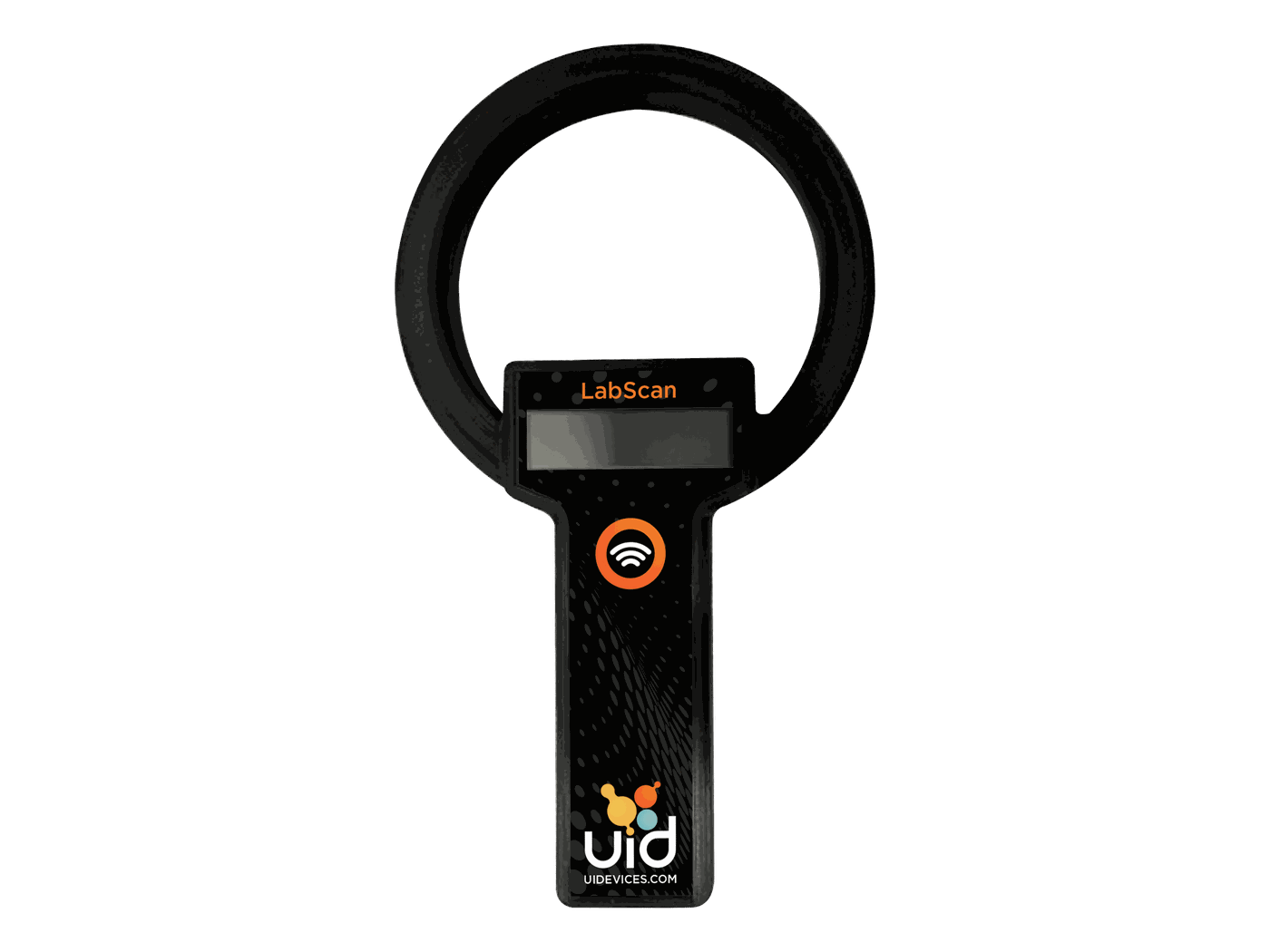
    A tech logs in with an RFID badge, card, fob, or wristband plus a PIN. The user's photo displays on screen, and the lock releases only for authorized users.

  2. Weigh the Dispense

    The digital scale weighs the vial before and after; the software converts the difference to volume using the drug's specific gravity.

  3. Log It Automatically

    The event writes itself to the database: user, substance, amount, timestamp. No handwriting, no end-of-shift transcription.

  4. Pull the Report

    Inventory, activity, and user-access reports are available on demand, reconciled against the logged history that produced them.

Easily Scale Your System
At facility scale

Easily Scale Your System

A vivarium that grows past one cabinet usually inherits a separate binder, a separate user list, and a separate walk-through to check stock for every room it adds. Networked on the CSI-360, those cabinets run as one system.

  • No more per-room check-ins — a shortage surfaces on the facility dashboard before anyone walks the building to find it.
  • No more duplicate user lists — a tech's access is set once and holds at every door on the network.
  • No more assembling records room by room — history and reports pull from the whole facility in one query.
Resources

What a Purchasing Committee Needs to Circulate

The fact sheet covers DEA recordkeeping, the two-factor login, and RFID tracking in the lab-animal facility.

  • Download PDF

    CSI-360 Research: Management of Controlled Substances in the Lab Animal Research Facility

    Application fact sheet for the CSI-360 Controlled Substance Inventory System in laboratory animal research settings, covering DEA compliance, two-part authentication, and RFID tracking capabilities.

    Download fact sheet →
Common Questions

  • Does the CSI-360 replace our DEA paperwork?

    No. The CSI-360 automates the dispensing record of who dispensed, what, how much, and when. Your facility still files receipt records (DEA Form 222 or CSOS), witnesses and documents waste, and conducts the biennial physical inventory required under 21 CFR 1304; the cabinet's running balance gives you the number to check that count against.

  • Who's actually responsible for DEA compliance, the cabinet or us?

    Your facility. DEA compliance belongs to the registrant, not to a cabinet, a logbook, or a piece of software. The CSI-360 is a tool that makes staying compliant vastly easier: measured dispenses, per-user access, and reports on demand. But like any control, it only works when it's used. No product can hold your registration for you.

  • What does this change about our diversion exposure?

    It replaces the two things a diverter counts on, a shared key and a handwritten log, with per-user credentials and a weighed record. Multi User Authentication adds an enforced second login for dispenses that need a witness, in place of a signature line anyone could write.

  • How does this fit an IACUC-overseen study workflow?

    Each dispense logs against the authenticated user, the substance, and the amount by weight. Facilities already running UID animal ID typically tie the dispense record to the same study and animal ID, so the controlled-drug log and the study record reconcile without a separate data-entry step.

  • Can we keep the DEA-compliant cabinet we already have?

    Yes. The CSI-360 installs on most manufacturers' DEA-compliant cabinets, safes, refrigerators, and freezers already on your registration, or ships as a complete UID cabinet or safe if you'd rather start fresh. See the product page for the sizes and configurations.

  • Can we network multiple cabinets across the facility?

    Yes. Cabinets on site join one system with shared credentials and one inventory database, and that holds whether the facility is a single vivarium wing or a CRO spread across floors.

  • Where do we find specs, pricing, and ordering?

    That's all on the CSI-360 product page — full specifications, the two-factor login and Multi User Authentication detail, what happens when an item can't be weighed, and how the system is priced.

Next step

Drop the Handwritten Log

Tell us about your registration, your cabinets, and the study volume your facility runs. We'll match you with the right CSI-360 configuration.