
A Permanent ID for Every Animal in the Study
Three sizes, from neonatal mice to large species, each programmable with 16 characters of your own study data — plus a temperature version that returns core body temp on the same scan.
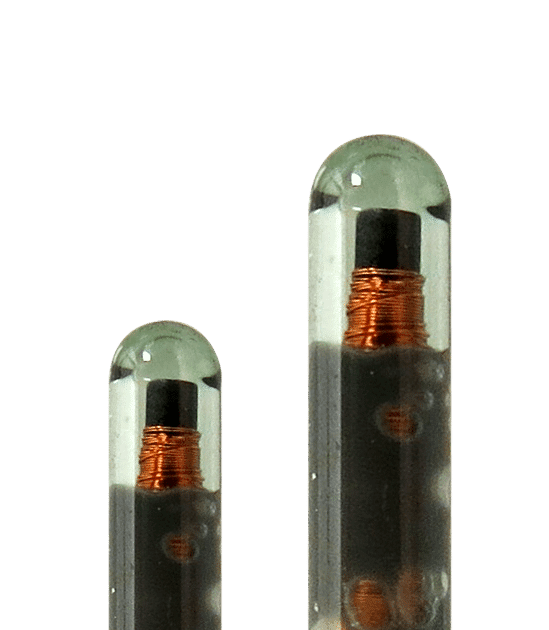
An ID That Lasts the Life of the Animal
Every animal study depends on knowing exactly which animal you're working with. Each animal in a study is directly associated with a significant amount of information, such as its age, sex, genotype, study parameters, and results. Therefore, the ability to identify individual animals within a group and maintain data integrity throughout the study is critical to overall research success.
An RFID microchip makes that identity permanent. The chip stores a unique identification code along with programmable data, and any UID reader retrieves it with a quick, non-contact scan. The same chip reads reliably in animals from young mice to larger species, keeping each animal's data accurate and traceable for the life of the study.
Benefits of RFID Microchips for Lab-Animal Identification
A permanent, low-stress identifier engineered for the lifetime of the animal and the integrity of your data.
- Permanent Implanted once and readable for the animal's entire life — no tags to shed, fade, or replace.
- Unique Every transponder carries a globally unique ID, so no two animals are ever confused.
- Reliable Passive RFID has no battery or moving parts, so reads stay consistent across years of study.
- Accurate Machine-read IDs remove the ambiguity of visual marks, keeping every data point tied to the right subject.
- Improved welfare Replaces ear notching and tattooing with one quick injection, reducing stress and repeat handling.
- Minimally invasive A fine-gauge subcutaneous placement is comparable to a routine injection, with rapid recovery.
- Efficient Digital capture removes manual transcription, speeding census counts and cutting record-keeping errors.
- Easy to use Pre-loaded injectors and one-button readers keep training short and protocols repeatable across staff.
- Personnel safety Contactless scanning keeps hands clear of the animal, lowering bite and needlestick exposure.
- Safe Biocompatible, sterile transponders are designed to stay inert in tissue for the life of the animal.
Four Chips, Smallest to Largest
Every UID research microchip is programmable with up to 16 characters.
-
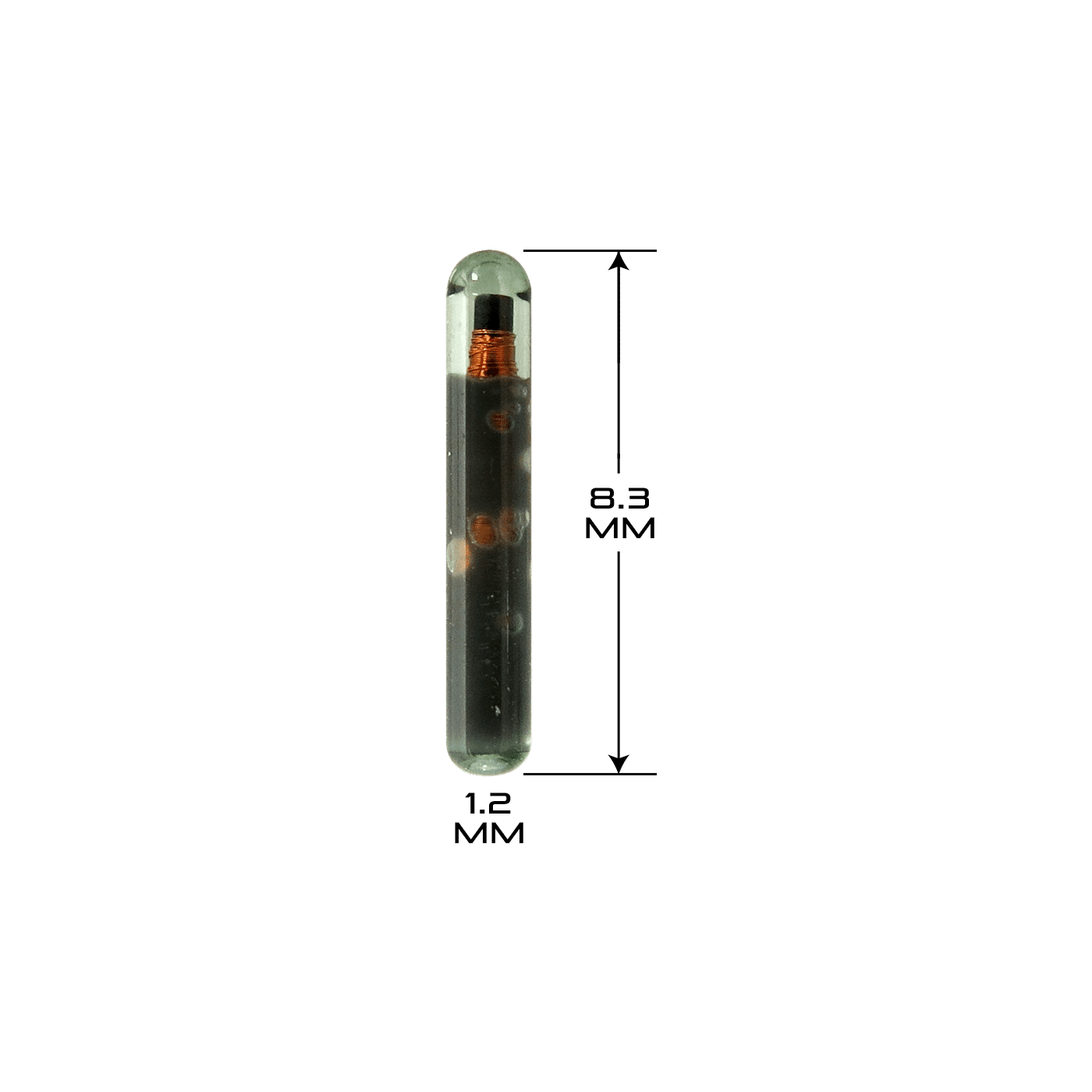 MiniMax
UC-1283 MiniMax Programmable Microchip
- Unique ID
- 1.2 × 8.3 mm
- 17G
1.2 × 8.3 mm in a 17G needle — the smallest programmable RFID microchip on the market. For neonatal mice and the smallest implants.
View UC-1283 -
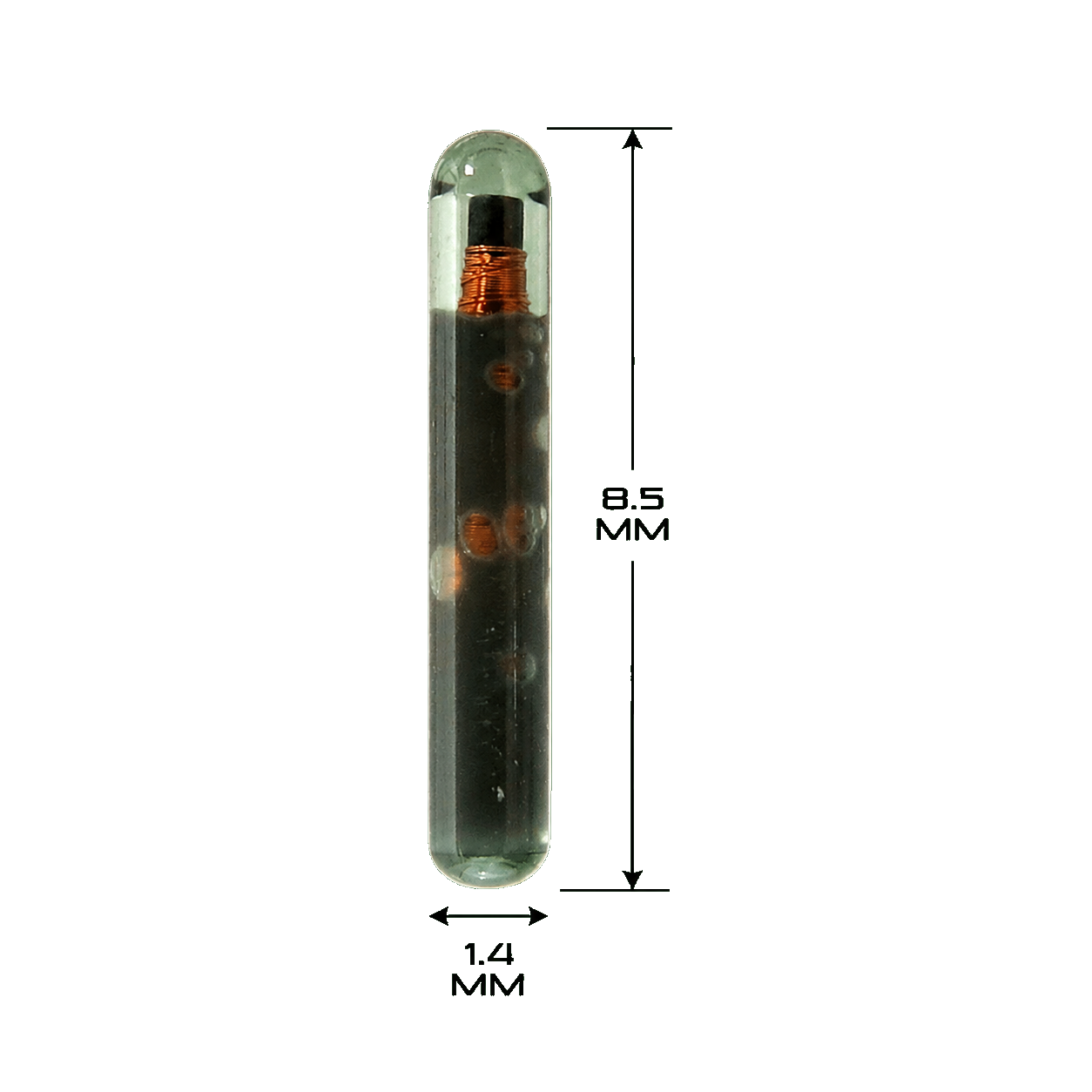 Mice
MiceUC-1485 Programmable Microchip
- Unique ID
- 15.5G
1.4 × 8.5 mm in a 15.5G cannula. Typically used for mice.
View UC-1485 -
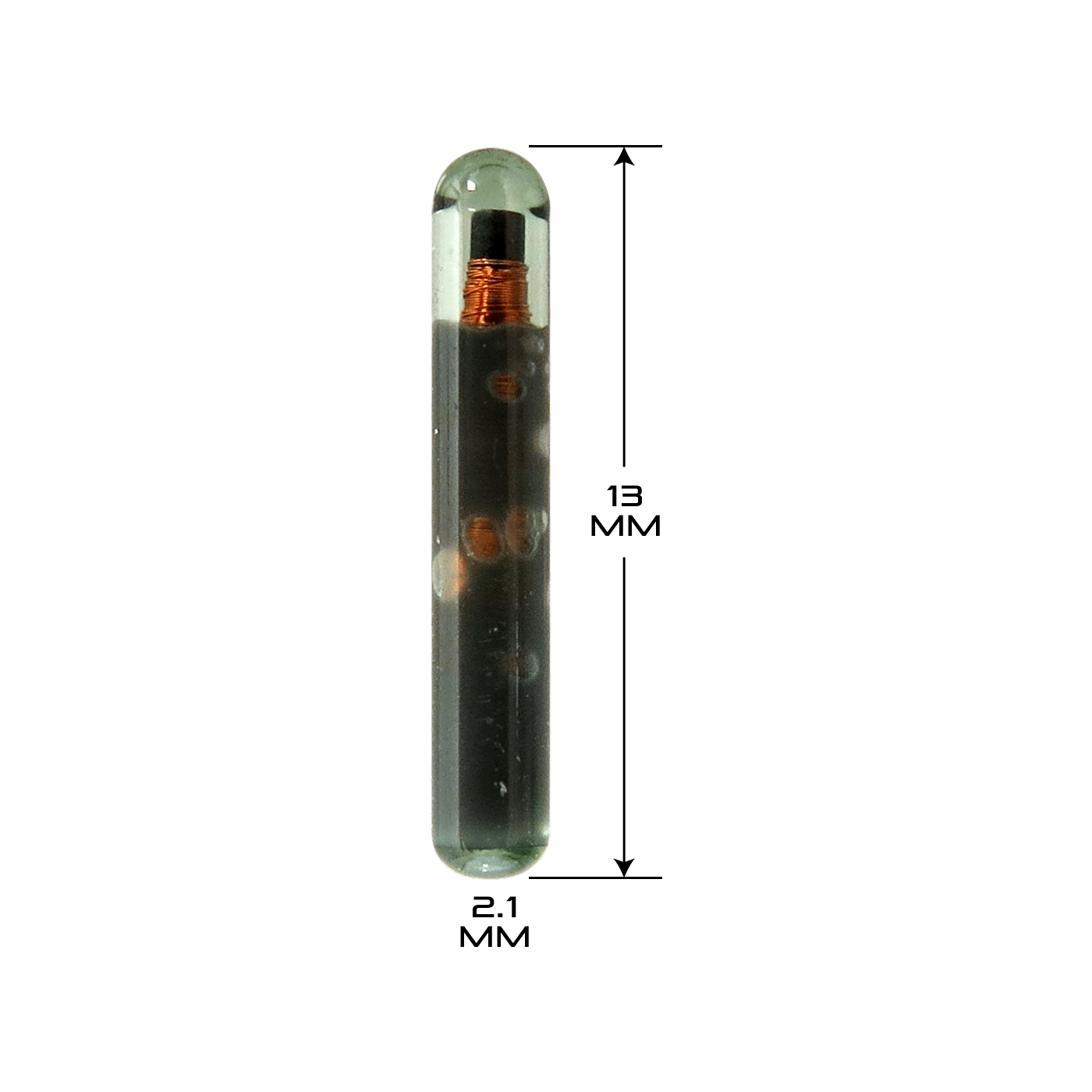 All Species
UC-2112 Implantable Programmable Microchip
- Unique ID
- 12.5G
2.1 × 13 mm in a 12.5G cannula. The standard chip for rats and larger species.
View UC-2112 -
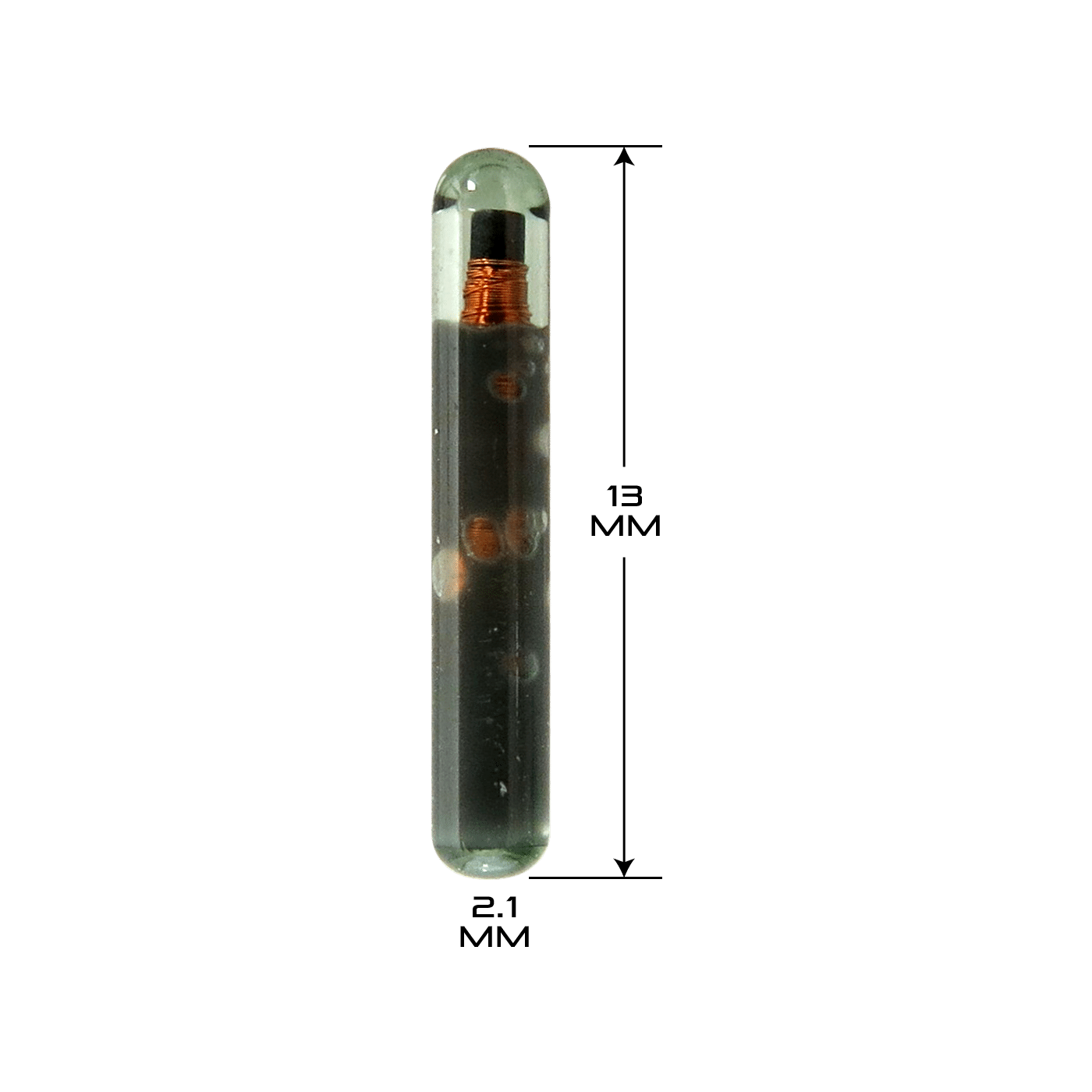 Temperature
UCT-2112 Temperature Microchip
- Unique ID
- Temperature
- 12.5G
2.1 × 13 mm with a ±0.1 °C temperature sensor. Returns ID and core temperature on the same scan.
View UCT-2112
Four Steps to Permanent ID
-
Decide if you need temperature
The UCT-2112 returns ID and core temperature on one scan (±0.1 °C, GLP-validated). All other options are ID only.
-
Pick your size
UC-1283 for neonates and the smallest implants. UC-1485 for mice, UC-2112 for larger species, and UCT-2112 for temperature monitoring.
-
Decide on packaging
All four ship sterile in blister packs. UC-1283 is also available as a single-use disposable injector.
-
Pair with a reader
Pick a reader that matches your workflow. From cage-side scans to desktop data entry, we have readers for all workflows.
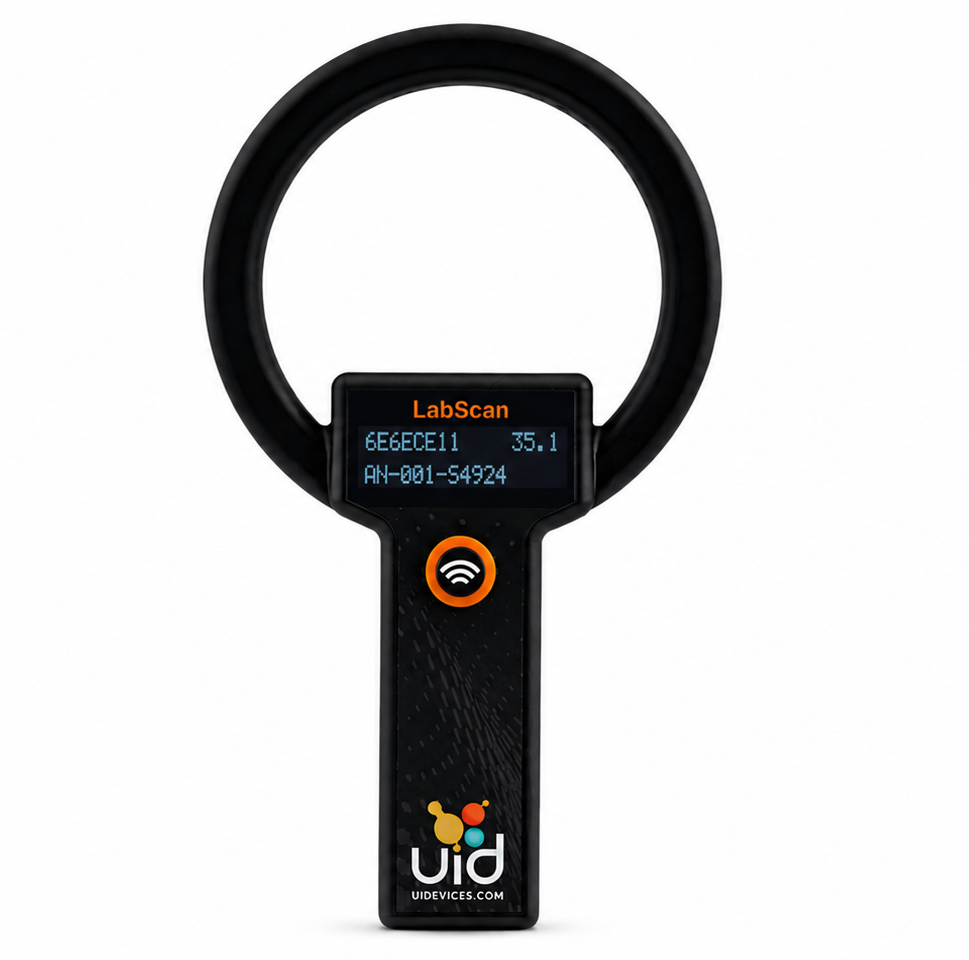
Human-Readable ID
Most implantable microchips return one piece of info: a fixed ID. Great for software, but difficult for the people actually doing the work. All UID tags can be provisioned with up to 16 characters of human-readable data for quick cage-side identification.
Program the study number, genotype, cohort code, or date of birth directly to the chip.
- No Cross-Referencing The reader shows your study data, not a number to chase down later.
- Reprovision Anytime Update the data through the skin with the UBS-200, no re-implant needed.
Programmed Your Way Provision chips yourself in the cannula with the UPS-60, or have UID program and label them with your data before they ship, sterile and ready to implant.
Compare the Four Chips
| Capability | UC-1283 MiniMax | UC-1485 Mouse | UC-2112 All Species | UCT-2112 Temperature |
|---|---|---|---|---|
| Unique ID |  | | | |
| Temperature |  | | | |
| Programmable | | | | |
| Recommended for home-cage monitoring | | | | |
| Cannula gauge | 17G | 15.5G | 12.5G | 12.5G |
| Available in blister pack | | | | |
| Available in disposable injector | | | | |
Which Chip We'd Recommend, by Animal
| Species | UC-1283 | UC-1485 | UC-2112 | UCT-2112 |
|---|---|---|---|---|
| Neonate mice |  | | | |
| Mice | | | | |
| Rats | | | | |
| Guinea pigs, rabbits | | | | |
| Dogs, primates, larger species | | | | |
-
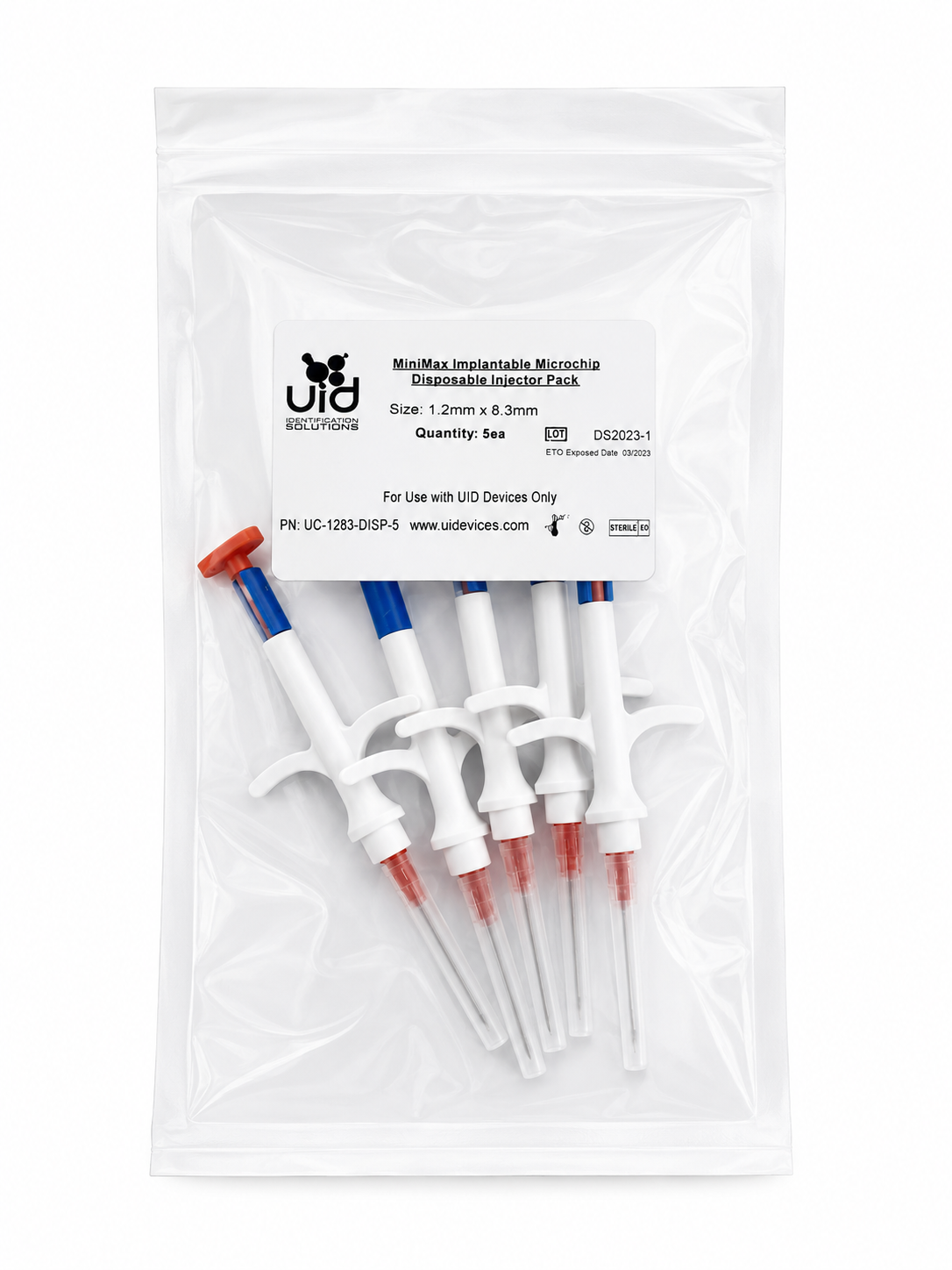
UC-1283 Disposable
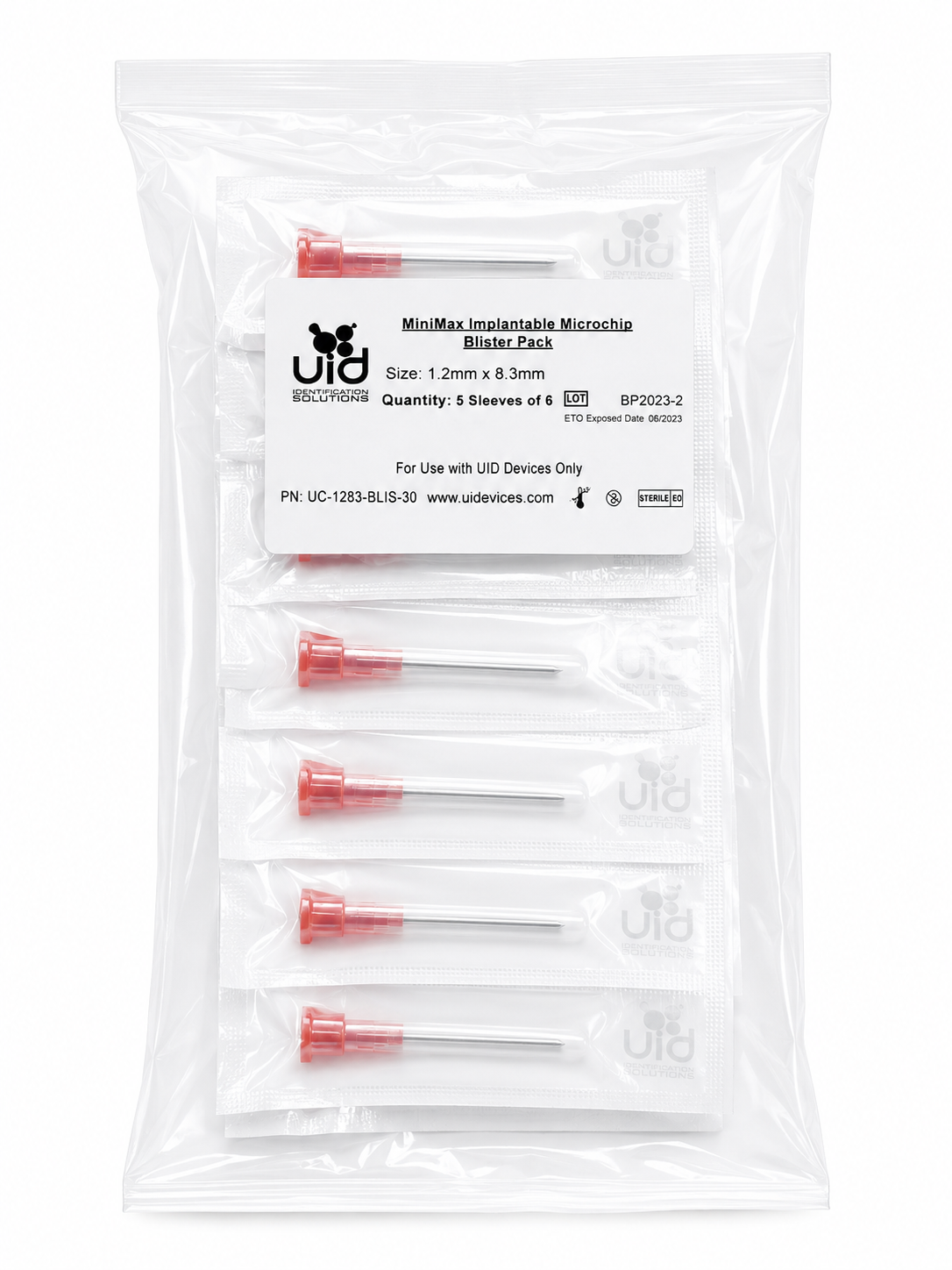
UC-1283 Packaging Options
The UC-1283 can be purchased as a disposable injector or in a typical blister pack used with the MiniMax Injector.
- Blister pack Sterile cannula in an individual blister, paired with a reusable injector.
- Disposable Same chip, pre-loaded into a sterile single-use injector. Perfect for high-sterility environments.
How Microchips Ship
UID research microchips ship in standard quantities. Custom volume pricing is available for orders larger than 1,000 chips.
-
Box of 24
Ideal for pilot studies
24 chips- 24× UID Microchips Individually sterile-packed cannulas
-
Most popular
Box of 198
Most Popular — Mid-size cohorts
198 chips- 198× UID Microchips Individually sterile-packed cannulas
-
Box of 990
High-volume studies & breeding colonies
990 chips- 990× UID Microchips Individually sterile-packed cannulas
Readers
-
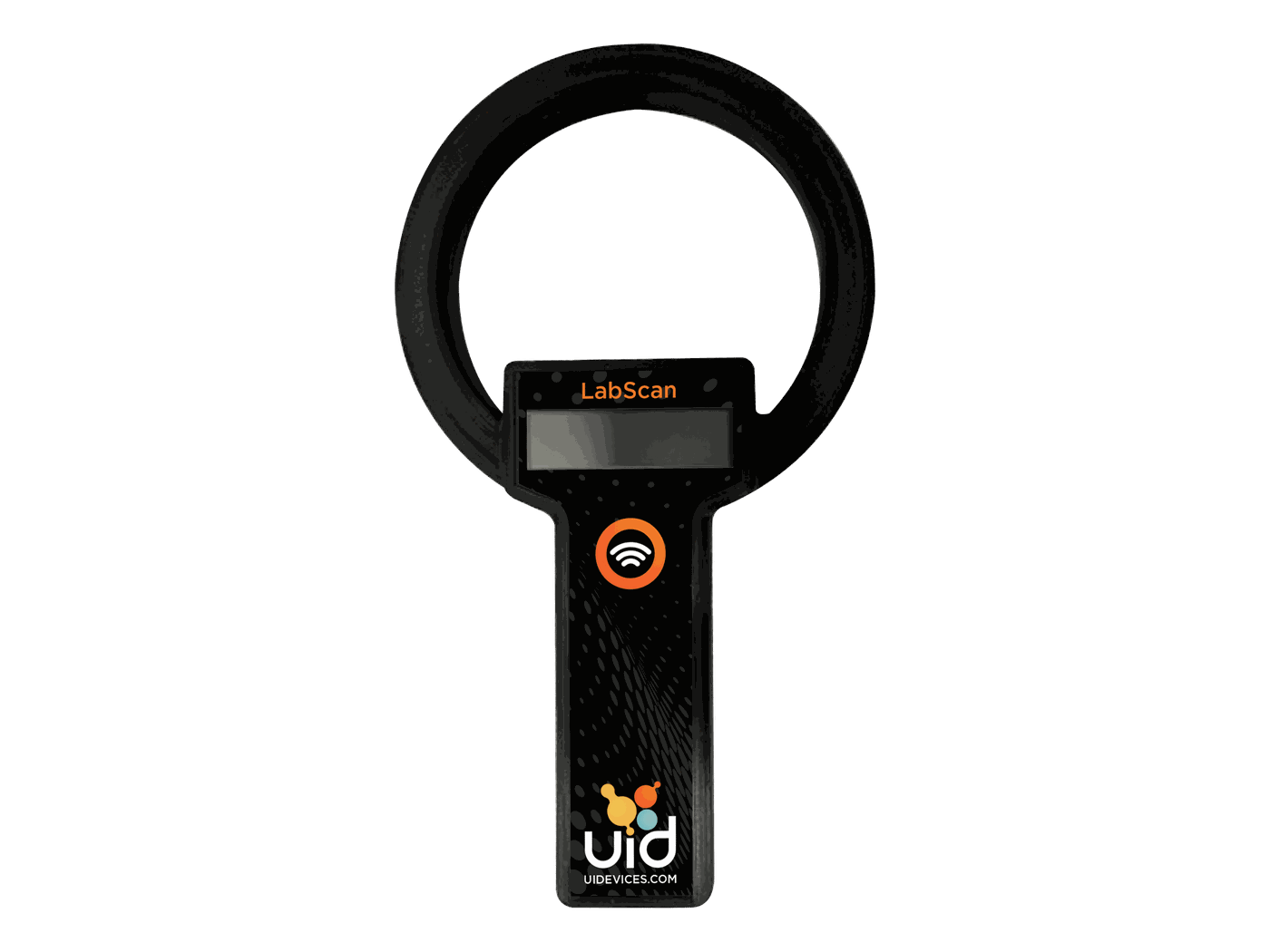 Handheld reader
URH-2 Handheld Reader
- Small Animals
- 3" Read Range
Rechargeable handheld reader. Lightweight and easy to use with full LIMS compatibility.
View URH-2 -
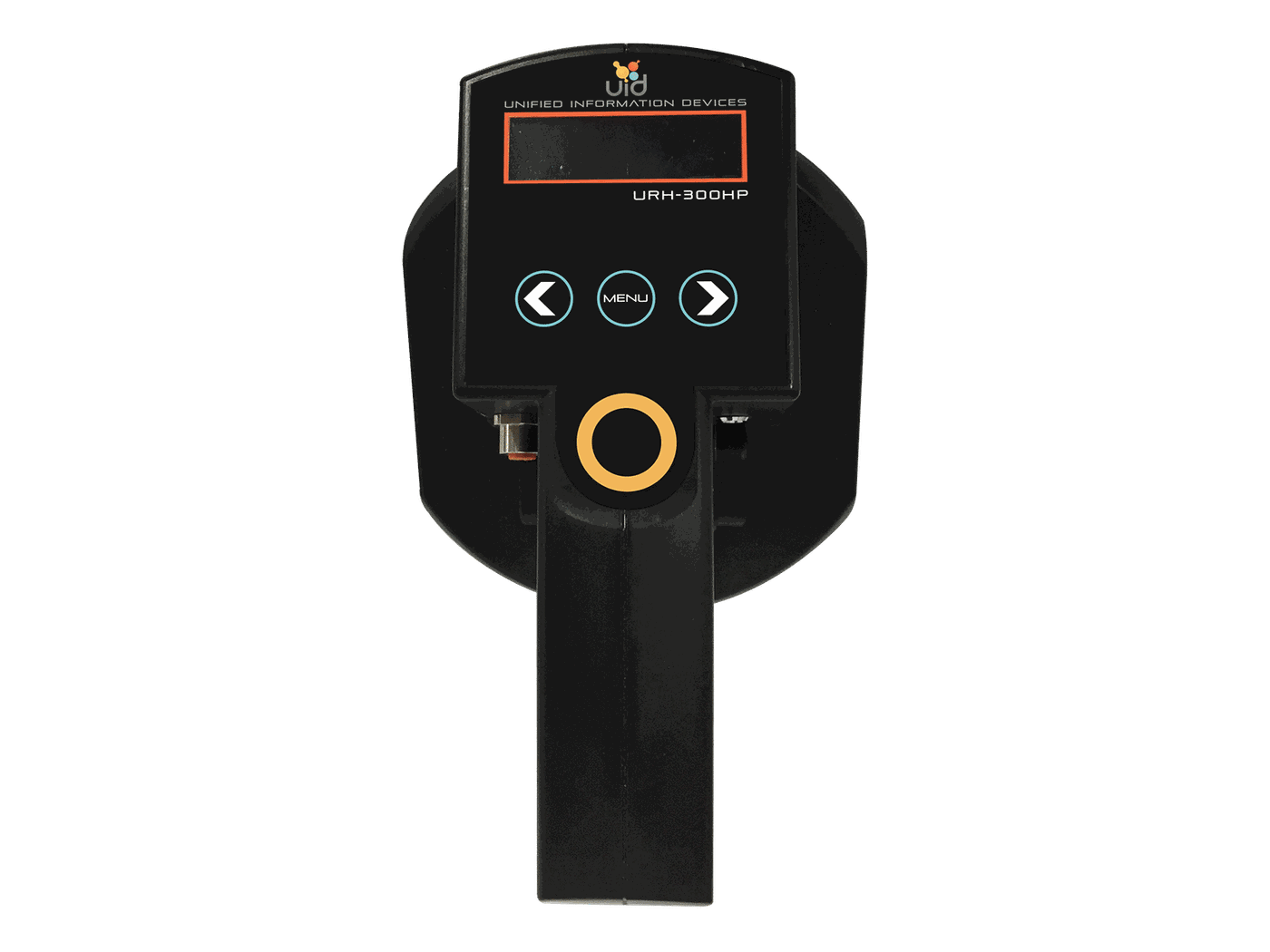 High Power Handheld
URH-300HP High Power Reader
- Large Animal
- 6"–8" Read Range
Long-range handheld reader. Optimized for large animals and harsh environments.
View URH-300HP -
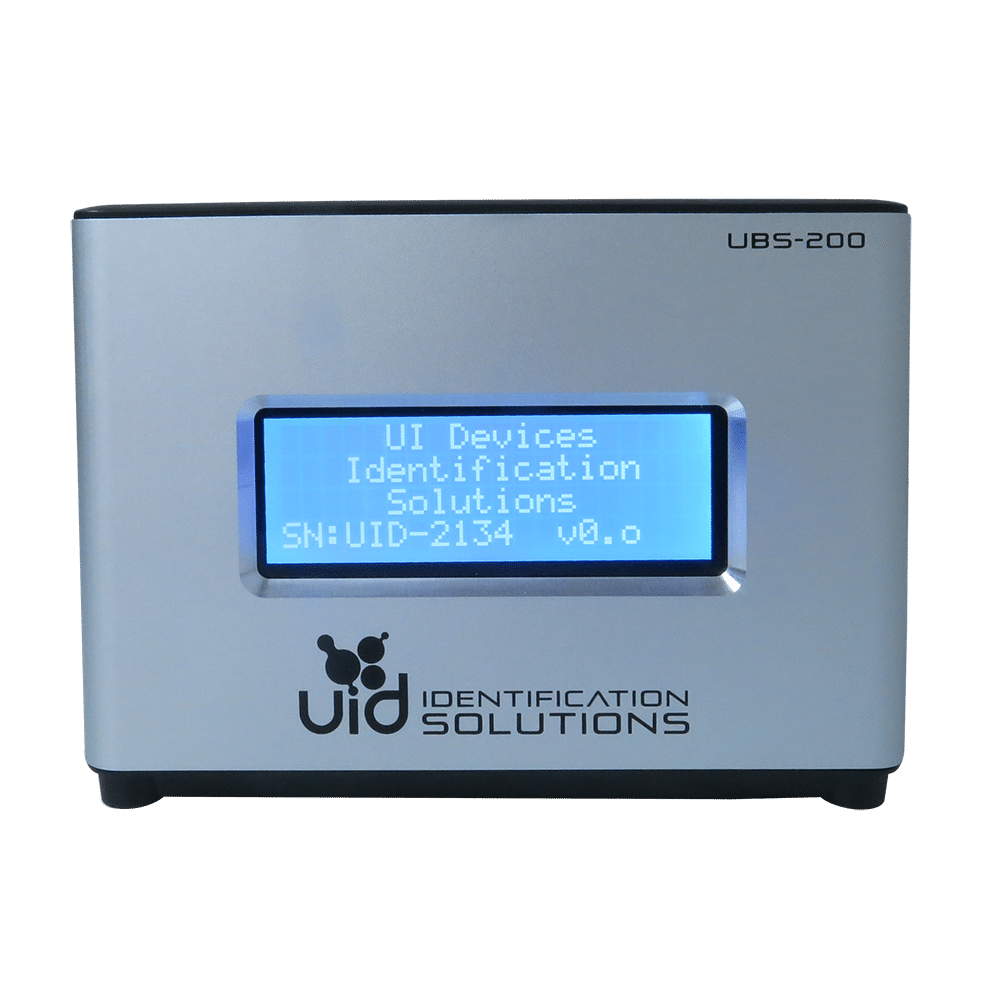 Base Station
UBS-200L Base Station Reader
- 4–8 cm range
- Provisioning
High-powered base station reader that also programs microchips via the PiSuite Provisioning Software. 4–8 cm read range and two switchable antenna ports.
View UBS-200L
Injectors
-
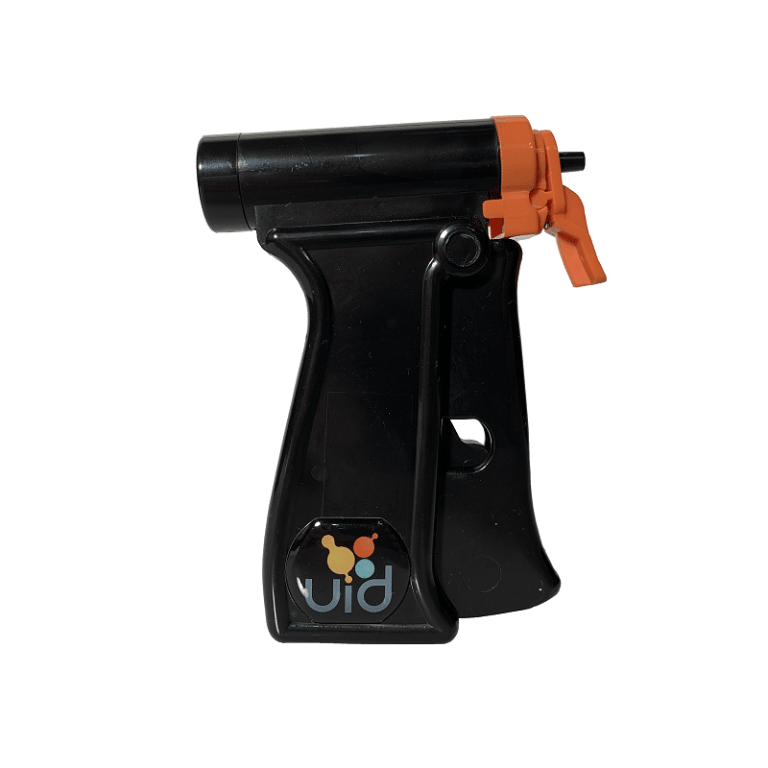 Pistol Grip Injector
UPGI-Q Pistol-Grip Microchip Injector
- Reusable
- Quick Eject
Reusable pistol-grip injector with ejector tab. Our most popular option for high volume implants. Compatible with all UID microchips except for the UC-1283 (MiniMax)
View UPGI-Q -
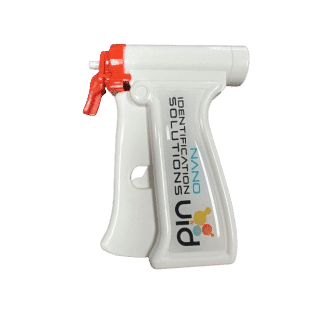 Pistol Grip Injector
UPGI-QMM Pistol-Grip Microchip Injector
- Reusable
- MiniMax
Reusable pistol-grip injector with one-pull ejector. Compatible with all UID microchips, including the UC-1283 MiniMax.
View UPGI-QMM -
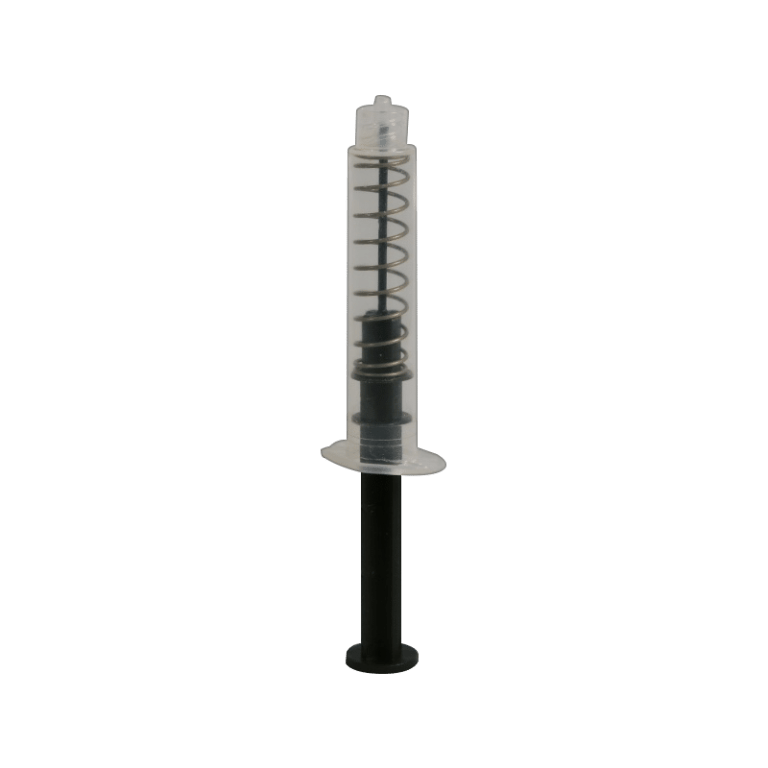 Syringe Injector
USI-1 Microchip Syringe Injector
- Reusable
- Luer Lock
Operates like a standard syringe. Spring-loaded plunger fires repeatably for consistent implants.
View USI-1
All Four Microchips
-
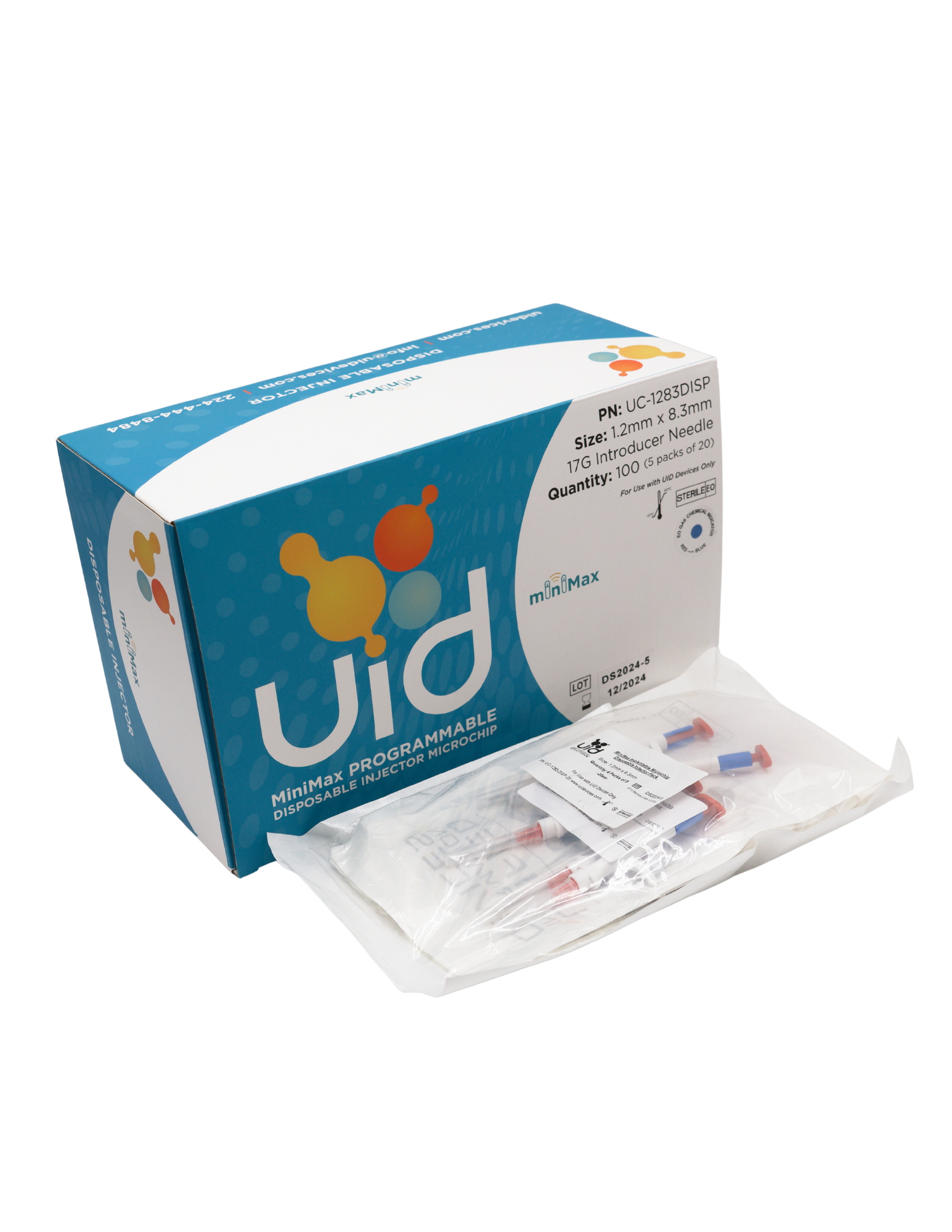 MiniMax
UC-1283 MiniMax Programmable Microchip
- Unique ID
- 1.2 × 8.3 mm
- 17G
1.2 × 8.3 mm in a 17G needle. The smallest programmable RFID microchip on the market.
View UC-1283 -
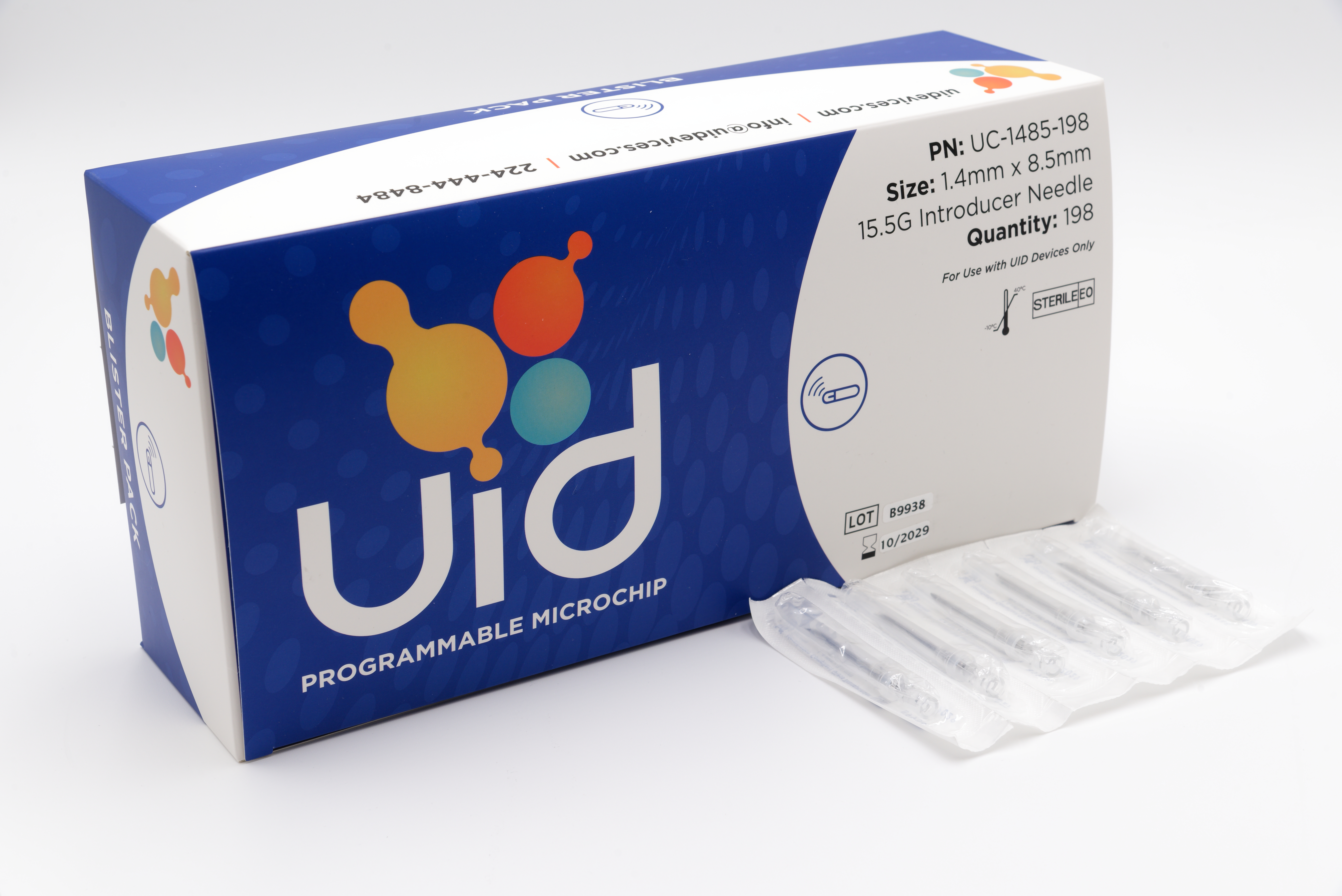 Mouse
MouseUC-1485 Programmable Microchip
- Unique ID
- 15.5G
1.4 × 8.5 mm in a 15.5G sterile cannula. Ideal for Mice or where needle size is a concern
View UC-1485 -
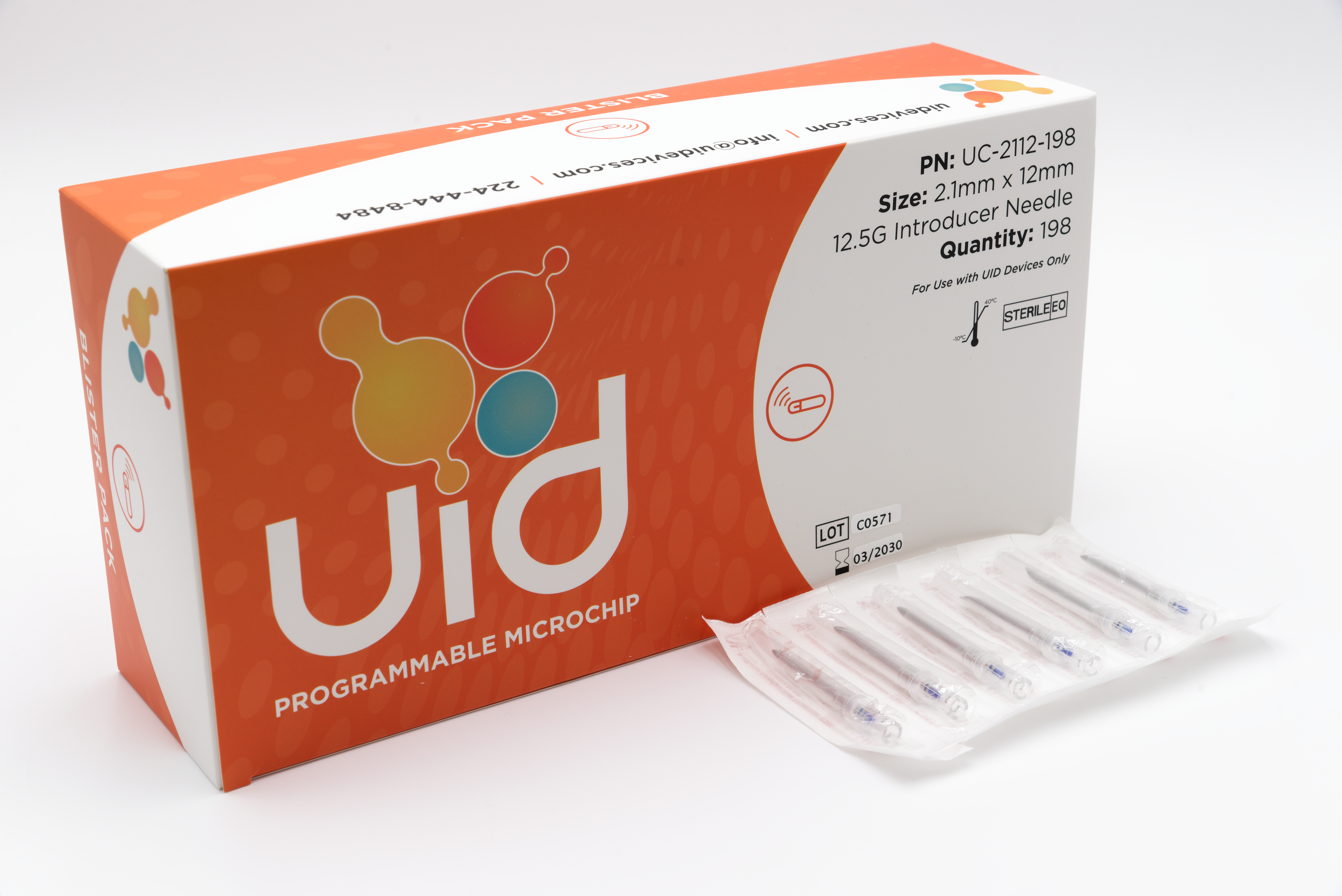 All Species
UC-2112 Implantable Programmable Microchip
- Unique ID
2.1 × 13 mm in a 12.5G sterile cannula. The standard programmable RFID microchip for rats and larger species.
View UC-2112 -
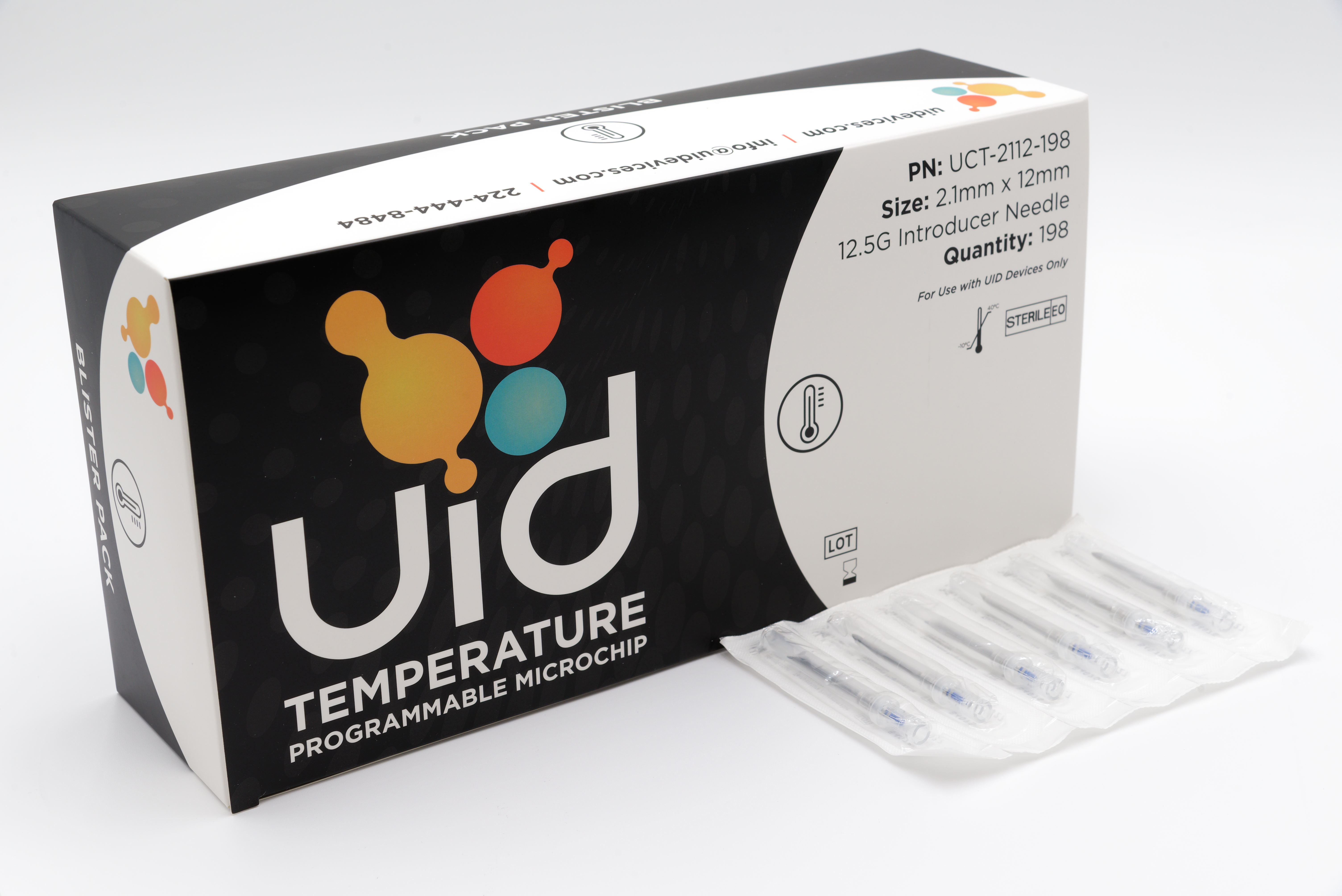 Temperature
UCT-2112 Temperature Microchip
- Unique ID
- Temperature
- ±0.1 °C
2.1 × 13 mm with a ±0.1 °C temperature sensor. The recommended chip for UID home-cage monitoring.
View UCT-2112
Common Questions
-
Which chip should I use for which species?
UC-1283 for the smallest implants and youngest animals — neonatal mice and very small subjects. UC-1485 for mouse studies generally. UC-2112 for rats, guinea pigs, rabbits, dogs, primates, and other larger species. UCT-2112 any time temperature is required. All four work in mice — pick the smallest cannula that's appropriate for the animal. See our recommendation table for more info.
-
When do I pick UCT-2112 over UC-2112?
Pick UCT-2112 when body temperature is a study parameter, or when you'll move the study to home-cage monitoring. The UCT-2112 is the recommended chip for UID home-cage monitoring (AnyCage Lite, AnyCage Plus, Mouse Matrix) regardless of species.
-
Programmable on-board memory — what is it and which chips have it?
All four UID research microchips carry 16 characters of user-programmable memory. This allows for human-readable data — study number, genotype, cohort code, DOB, etc. Provisioning (the process of writing data to the tag) happens before implant on the UPS-60 Chip Provisioning Station, or in-animal on the UBS-200 Base Station. The programmable data persists for the life of the implant and can be rewritten through UID software.
-
Which reader do I pair with these chips?
Any UID reader will read any UID microchip — there is no chip-specific reader pairing. The choice is by workflow: URH-2 handheld for cage-side scans, URH-300HP for larger species or longer-range cage-side scans. See the readers page for more information.
-
Does the chip ship sterile?
Yes. Every UID microchip ships pre-assembled inside a cannula packaged in an individual sterile blister pack. UC-1283 (MiniMax) is also available as a single-use disposable injector when the reusable workflow isn't an option.
-
Microchip or transponder — what's the difference?
No difference. Microchip, transponder, RFID, PIT tag, tag, etc., are all names for implantable RFID tags.
-
Can the chip be programmed after implant?
Yes. The UBS-200 Base Station can read and re-program any UID programmable chip through the skin, with the chip in place. This is useful when a study cohort changes mid-study, or when programmable data needs to be updated without re-implanting.
Tell Us About Your Facility and Protocol. We'll Match You With the Right Chip
There are a lot of variables when choosing the RFID solution that's best for you. We're here to help. Give us a call and we can spec it before you order. Make sure to ask about our 30-day risk-free trial on the readers.