
Readers for Every Scan in the Vivarium
UID offers a variety of readers for every workflow. From handheld to desktop, and low-power to high-power, UID has a reader for every species and situation.
Picking the Right Reader
-
Handheld or Desktop?
A handheld goes where the animal is: cage-side scans, recapture events, primate reads through cage bars. A desktop reader stays at the bench: intake stations, sample-tray processing, and programming new chips before implant. Most vivariums run both.
-
What Species?
The species you are working with typically dictates the reader choice. In general, use low-power readers for smaller animals or group-housed animals such as mice and rats. Use high-power readers for larger species such as rabbits, dogs, non-human primates, etc.
-
Where's the Data Going?
Do you need the data to flow into a software application or do you just want to see the ID on a screen? All of our readers are compatible with LIMS systems.
Our Most Popular Readers
-
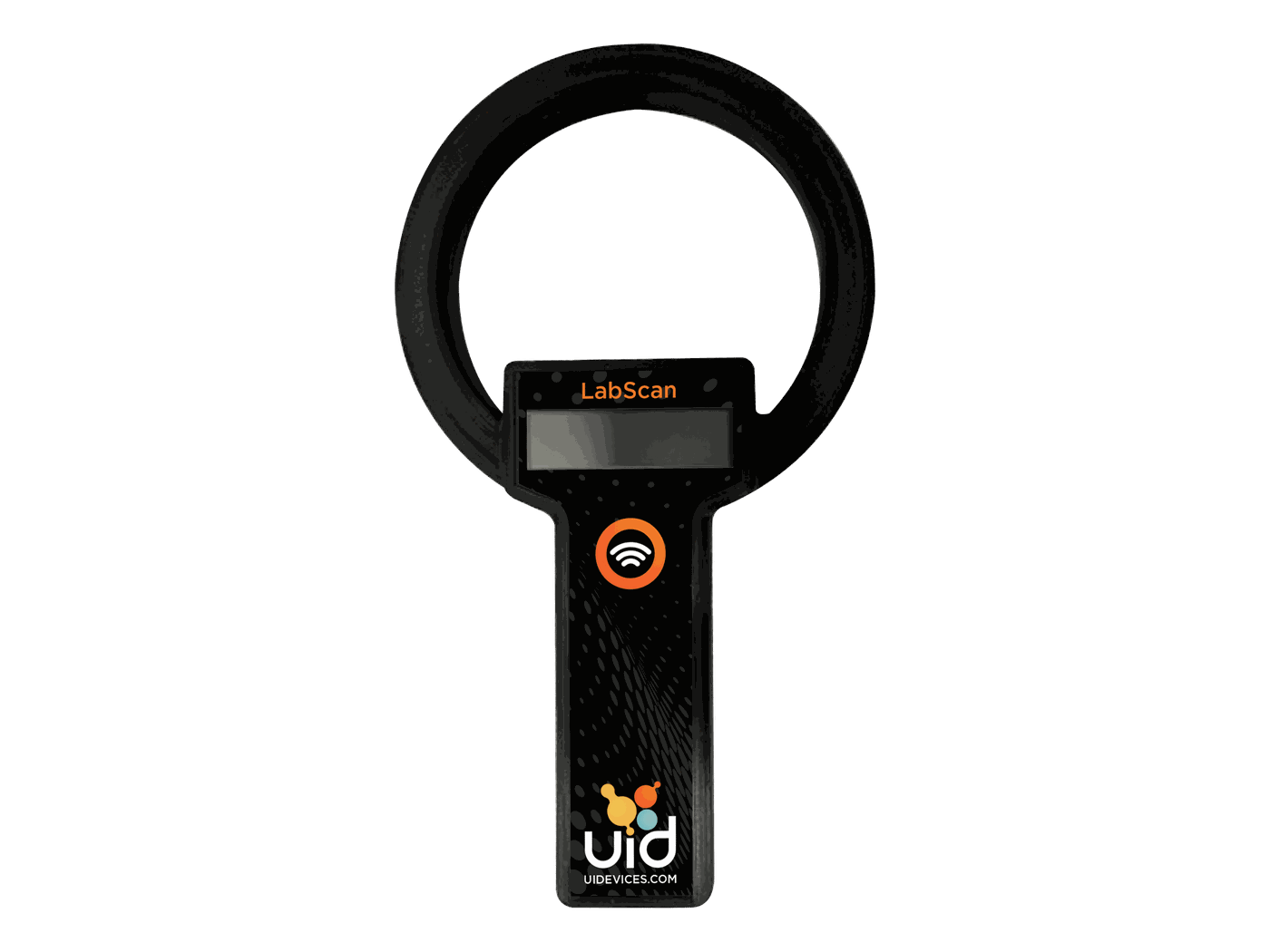 Handheld reader
URH-2 Handheld Reader
- Small Animals
- 3" Read Range
Rechargeable handheld reader. Lightweight and easy to use with full LIMS compatibility.
View URH-2 - Handheld reader
URH-2-Bluetooth Reader
- Bluetooth + USB
- Temperature
URH-2 handheld reader with Bluetooth connectivity. Sends scans to a PC over USB or Bluetooth.
View URH-2-Bluetooth -
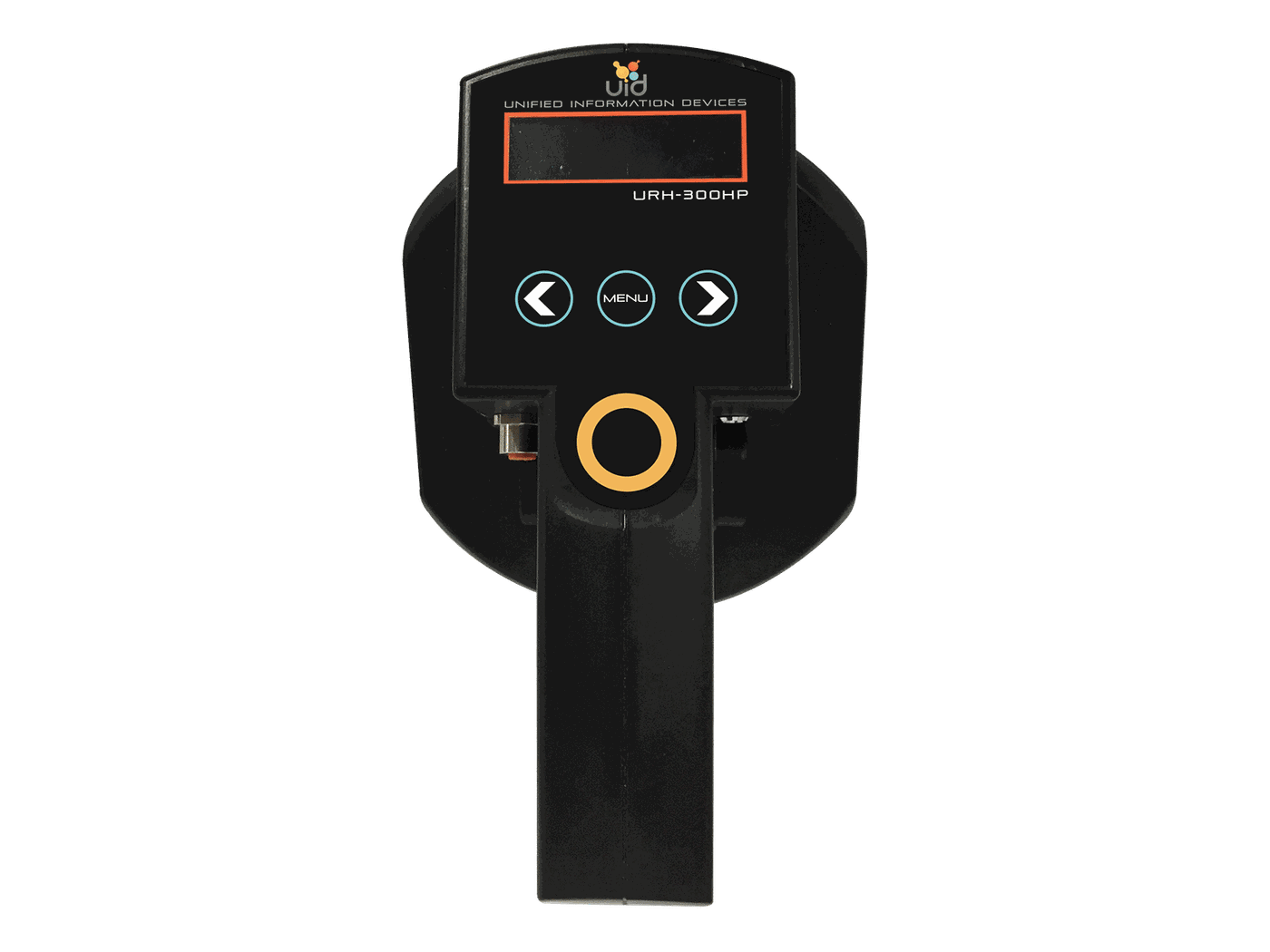 High Power Handheld
URH-300HP High Power Reader
- Large Animal
- 6"–8" Read Range
Long-range handheld reader. Optimized for large animals and harsh environments.
View URH-300HP -
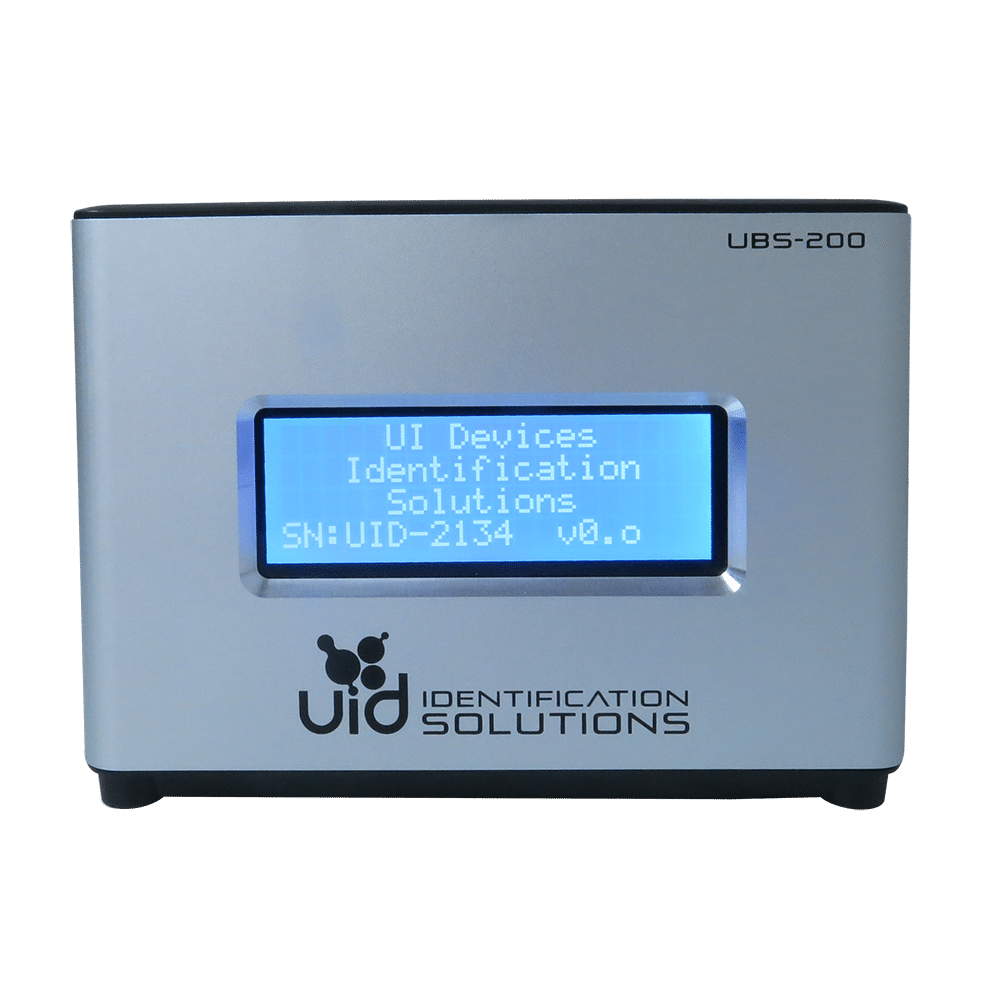 Base Station
UBS-200L Base Station Reader
- 4–8 cm range
- Provisioning
High-powered base station reader that also programs microchips via the PiSuite Provisioning Software. 4–8 cm read range and two switchable antenna ports.
View UBS-200L -
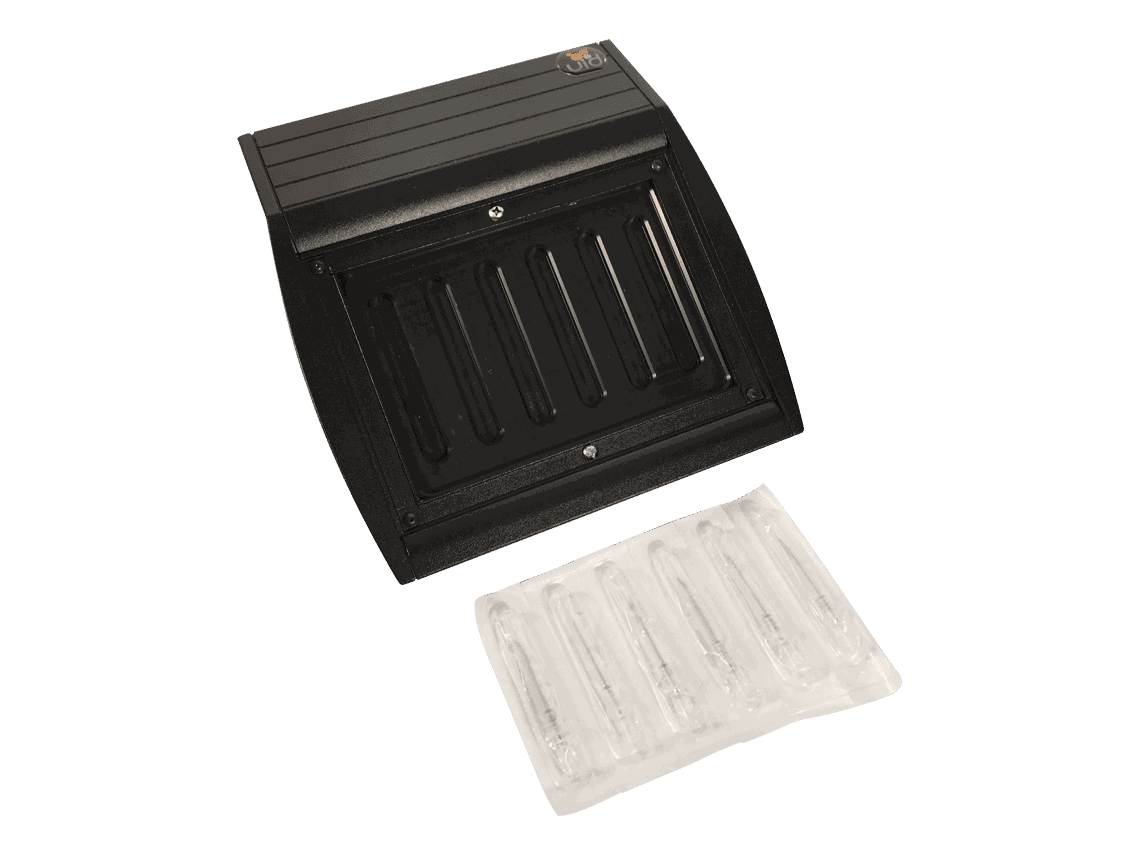 High Volume Provisioning
UPS-60 Provisioning Station
- Provisioning
- High volume
The UPS-60 is our high volume provisioning device. Program up to 6 RFIDs at once in the cannulas using PiSuite Provisioning Software.
View UPS-60 -
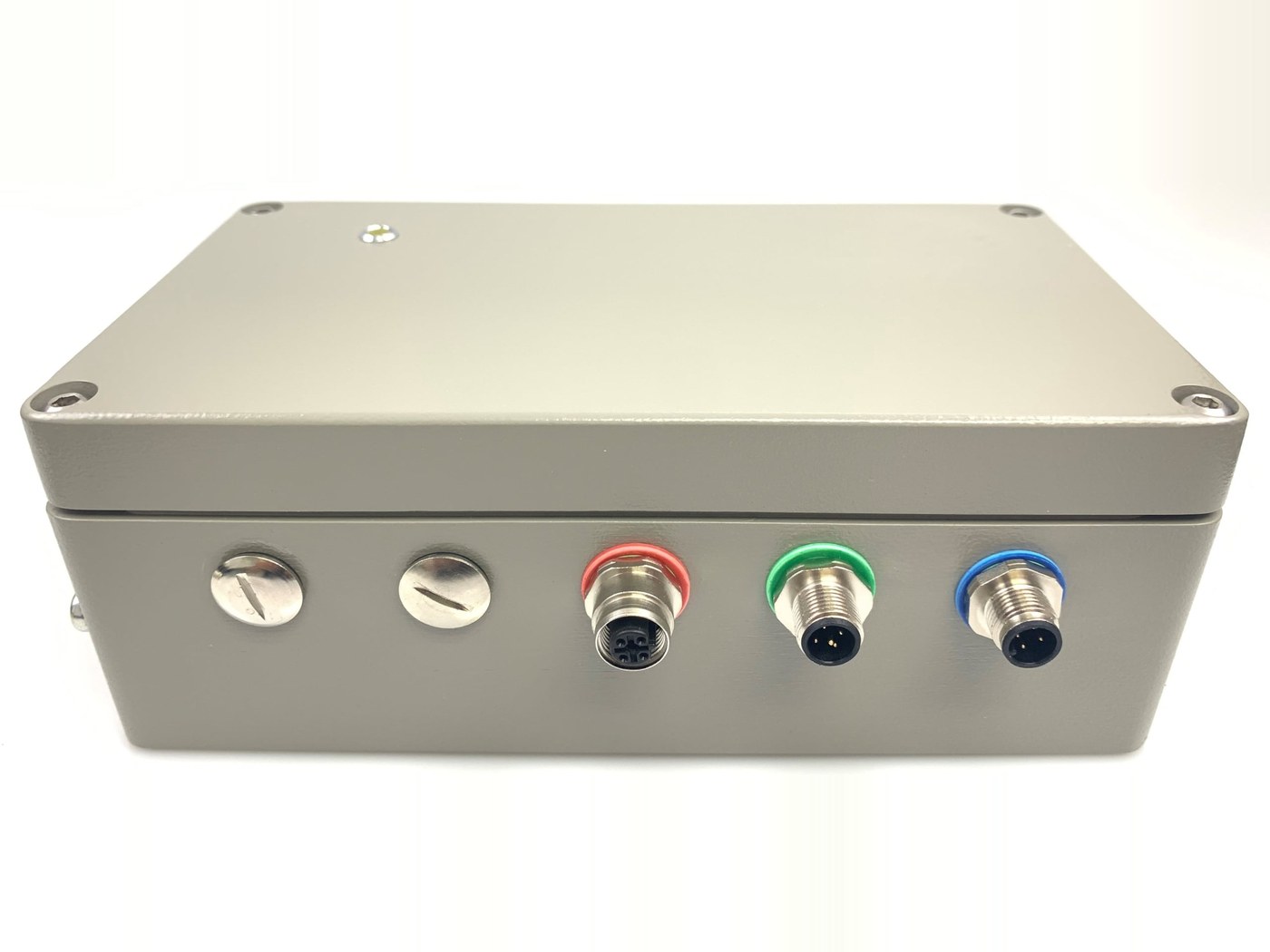 High Power Desktop
URC-500 High Power Console Reader
- High Power
- 8"+ Read Range
Our highest power option for rugged deployments and high read range requirements.
View URC-500 -
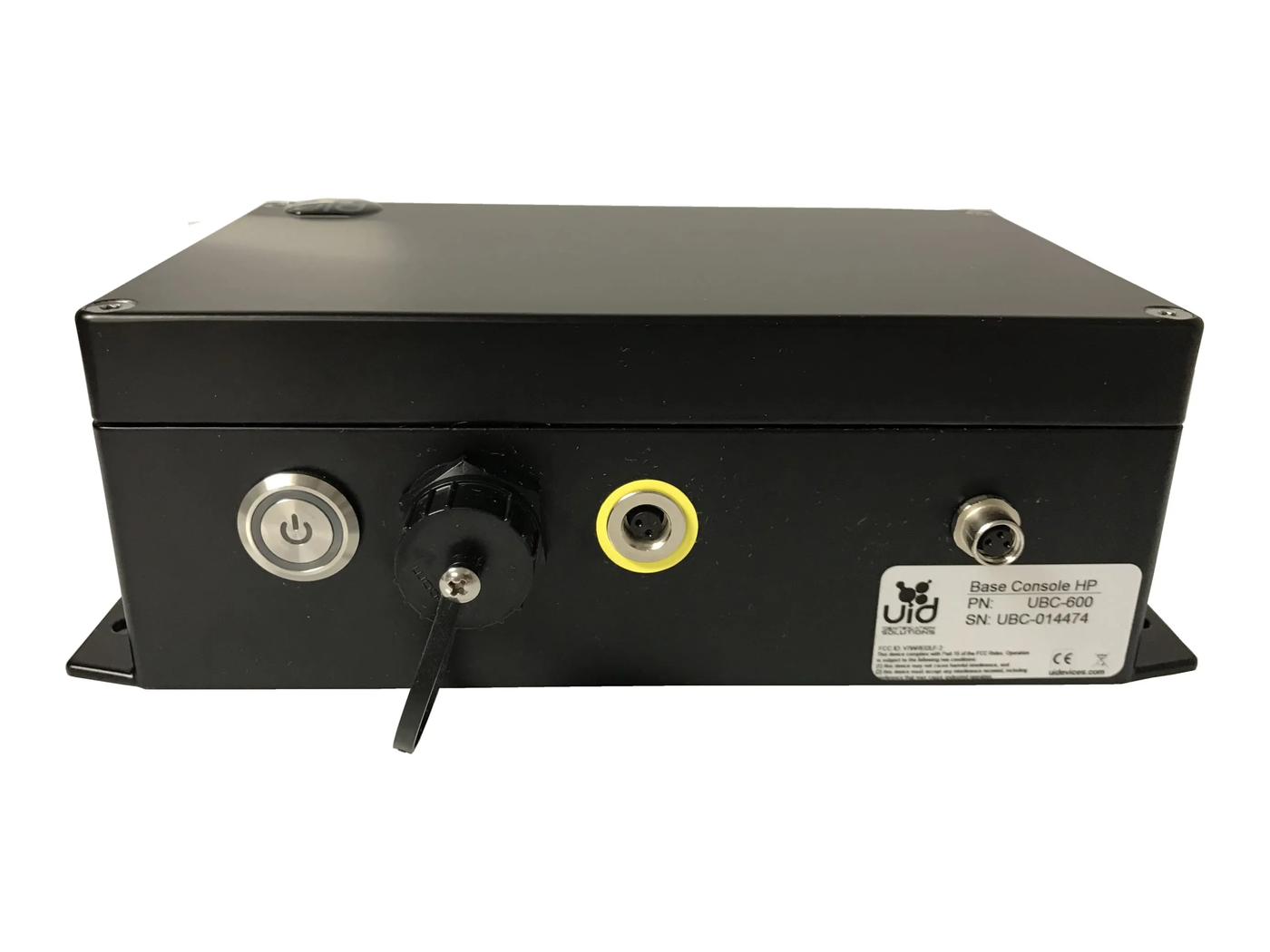 Console reader
UBC-600 Microchip Base Console Reader
- 5–9 in range
- IP67 waterproof
High-power console reader that mounts under the bench in an IP67 housing. Scans 5–9 in with the attachable antenna wand.
View UBC-600
Compare the Handheld Readers
The readers that go where the animal is — cage-side scans, recapture events, and reads through cage bars.
| Capability | URH-1L Handheld | URH-1HP High-Power Handheld | URH-2 Handheld | URH-2BT Bluetooth Handheld | URH-300HP High-Power Handheld |
|---|---|---|---|---|---|
| Read range | 1.6–2 in (4–5 cm) | 2.2–2.8 in (5.5–7.1 cm) | Up to 2.8 in (7.1 cm) | Up to 2.8 in (7.1 cm) | 6–8 in (15–20 cm) |
| USB |  | | | | |
| Bluetooth | Via dongle | Via dongle |  | Built-in | Via dongle |
| Host output | HID keyboard | HID keyboard | HID keyboard or serial | HID keyboard or serial | HID keyboard |
| Weight | Not available | 1 lb | 0.5 lb | 0.5 lb | 3 lb |
| Protection class | Not available | Not available | IP54 | IP54 | IP67 |
| Charger | UBC-i2 | UBC-i4 | USB or dock | USB or dock | Not available |
| Recommended species | Mice, rats, hamsters, rabbits | Mice, rats, hamsters, rabbits | Mice, rats, hamsters, rabbits | Mice, rats, hamsters, rabbits | Rabbits, dogs, primates, sheep, swine, cattle |
| Best for | Compact rodent scanning | Rodent scanning with extra standoff | Cage-side scans, small animals | Cage-side scans with no cable to the PC | Large species, reads through cage bars |
Compare the Desktop Readers
The readers that stay put — intake and weigh-in stations, provisioning, and fixed reads built into the enclosure.
| Capability | UBS-200L Base Station | UBC-600 Base Console | URC-500 High-Power Console | UDT-100L LF Desktop |
|---|---|---|---|---|
| Read range | 1.6–3.1 in (4–8 cm) | 5–9 in (13–23 cm) | Up to 8 in (20 cm) | 1.2–1.6 in (3–4 cm) |
| Host output | HID keyboard or serial | HID keyboard | Serial, or HID via Wedge | HID keyboard or serial |
| Microchip programming | With PiSuite | With PiSuite | | |
| Power | AC | AC, continuous | 12 V DC | USB |
| Mounting | Bench-top | Under-bench | Flat surface or under-bench | Bench-top |
| Antennas | 6 ft wand included; square wand or 12 in stick available | 6 ft wand; square wand or 12 in stick via UAC-2M cable | Circle wand, square plate, primate tunnel, or custom | Built-in |
| Best for | Provisioning and mobile carts | Under-bench station for high-volume rodent work | Home cage monitoring, custom antenna builds | Low-cost ID capture at a workstation |
Which Reader We'd Recommend
| Species | URH-2 | URH-300HP | UBS-200L | URC-500 |
|---|---|---|---|---|
| Neonate / mice |  | | | |
| Rats | | | | |
| Guinea pigs, rabbits | | | | |
| Dogs, swine | | | | |
| Non-human primates (through bars) | | | | |
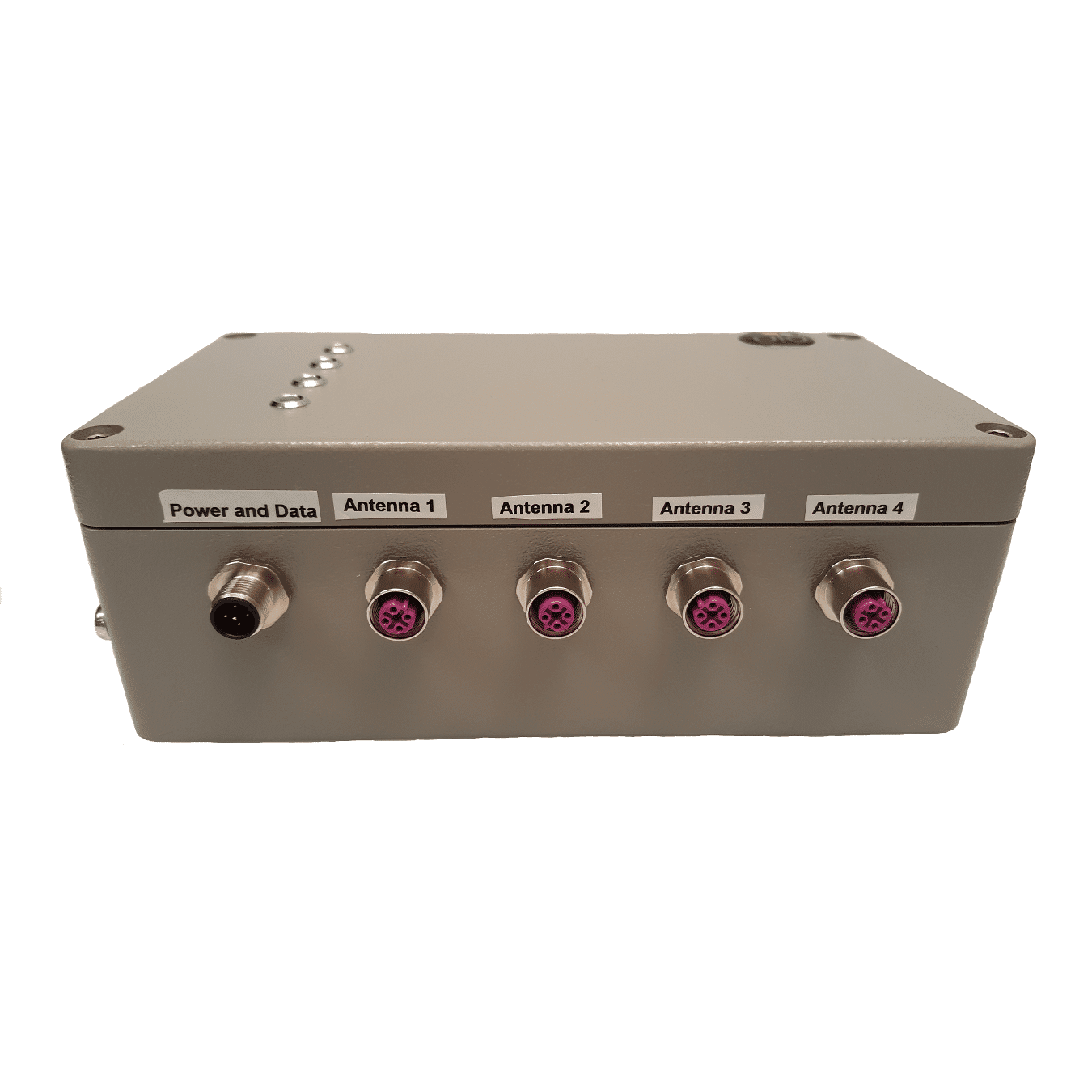
Antennas Built for Your Enclosure
The URC-500 is the foundation for custom read solutions. When a standard antenna doesn't fit the housing, we design one that does.
- Primate tunnels — reads animals as they pass through a race or tunnel.
- Hibernation enclosures — long-dwell reads for species like ground squirrels.
- Custom racks and runs — antennas sized and shaped to your caging geometry.
Tell us the enclosure and the species. We'll engineer the antenna around both.
Common Questions
-
Do I have to match a reader to a specific microchip?
No. Every UID reader reads every UID microchip, temperature chips included. There is no pairing to work out and no compatibility chart to check. Just pick the reader that fits how you scan and it will read the chips you already have. If you're consolidating animals from a non-UID source and aren't sure what those chips are, contact us before ordering and we can confirm compatibility.
-
Which readers support Bluetooth?
The URH-2 and URH-300HP handhelds support Bluetooth — either built-in or via the UBT-500 Bluetooth Dongle.
-
Can I program microchips with these readers?
Programming requires a UBS-200L or UPS-60 paired with UID's PiSuite Provisioning Software.
-
How does a reader get its data to the computer — keyboard mode or serial mode?
Those are the two paths, and the difference is what the computer thinks it's talking to. In keyboard mode (also called HID) the reader looks like a USB keyboard: each read is typed into whichever field has focus, the same way a barcode scanner works. Nothing to install, and it covers LIMS, ELN, Excel, Access, and most lab software as-is. In serial mode the reader talks over a COM port and hands your software the raw reading to parse. That's the path to take when your LIMS or data team wants the data stream itself rather than keystrokes in a focused field. Most UID readers — the URH-2, URH-1L, URH-1HP, UBS-200L, and UDT-100L — give you keyboard mode out of the box, with serial available on the models your team would want it on.
-
Which readers need Wedge for keyboard mode?
The URC-500 and the URH-300HP. Both are serial devices and don't type on their own, so if you need reads to land in a field the way a barcode scanner types, pair either one with Wedge. It's an app that watches the reader's COM port and types every reading into whichever field has focus. It has the same end result as a native keyboard-mode reader. If your software is already reading the serial stream directly, you don't need it.
-
What's a typical reader pairing for a new vivarium?
Most research sites choose a handheld such as the URH-2 for cage-side scans and a desktop reader at a workstation with a PC. Sites running large-species or primate work add the URH-300HP (instead of the URH-2) for its extended read range.
Need Help Picking Readers for Your Vivarium?
Give us a call. We can help figure out which readers will work best for the way you actually work day to day.