
Animal ID and Monitoring for Pharmacology
PK/PD, safety pharmacology, and behavioral studies run on individual-animal traceability. UID's ID and temperature microchips, plus home cage monitoring, keep every dose and sample tied to the right animal.
- PK/PD · safety pharm
- 3Rs · IACUC aligned
- Individual animal ID · UID encoded format

Traceability Across a Repeat-Dosing Study
Each animal in a pharmacology study produces data from enrollment through readout. The hard part is keeping all of it attached to the right animal.
- A unique ID per animal — a glass-encapsulated implantable microchip returns an 8-digit, non-repeating ID, read contactlessly through tissue.
- Temperature on the same scan — ±0.1 °C at 38 °C, for thermoregulatory and metabolic readouts and for picking up drug-induced hypothermia or febrile response. The UCT-2112 is the only GLP-validated temperature transponder for laboratory research.
- Continuous rack-scale temperature tracking — AnyCage+ monitors a full rack 24/7 without pulling animals out of their cages or disturbing them.
- Activity and location — Mouse Matrix adds locomotor activity and zone-level position alongside temperature, capturing behavioral and CNS-drug data without manual scoring sessions.
- An audit trail that holds up — every sample, dose, and observation logged against the right animal and timestamped, which is what GLP review and regulatory submissions expect.
From Enrollment to Dose-Response Readout
-
Enroll and Identify
Inject a UID implantable transponder at study start. The chip reads through tissue with a UID handheld and ties the animal to its dose group, cohort, and any group-housing assignment for the duration of the study.
-
Dose and Sample
On every dose and every sample collection, scan the animal contactlessly with a URH-1HP handheld. The ID writes directly into the dosing log or LIMS so the sample tube label and the animal of origin can't drift apart across a long PK series.
-
Monitor Physiology
Temperature transponders return body temperature on every scan, ±0.1 °C at 38 °C. For safety pharmacology, AnyCage+ adds 24/7 temperature across a rack; for CNS-drug and behavioral work, Mouse Matrix adds locomotor activity and zone occupancy alongside temperature — useful for sedation/stimulant readouts and for catching drug-induced thermoregulatory effects.
-
Tie It Together
All readings, doses, and samples carry the same animal ID. Handheld scans export into LIMS, the study record, or an analysis pipeline against that ID. VivoTraq adds cloud dashboards, query-based alerts, and temperature analytics over AnyCage and UID reader data. Nothing gets reconciled by hand or re-typed before regulatory submission.
Study Types and Disease Models
Temperature, activity, and individual animal ID show up across pharmacology in different ways. These are the areas UID hardware is most often used in.
The UID Products Used in Preclinical Pharmacology
Animal ID, temperature, and home cage activity monitoring — the pieces most pharmacology studies pull from.
-
 All Species
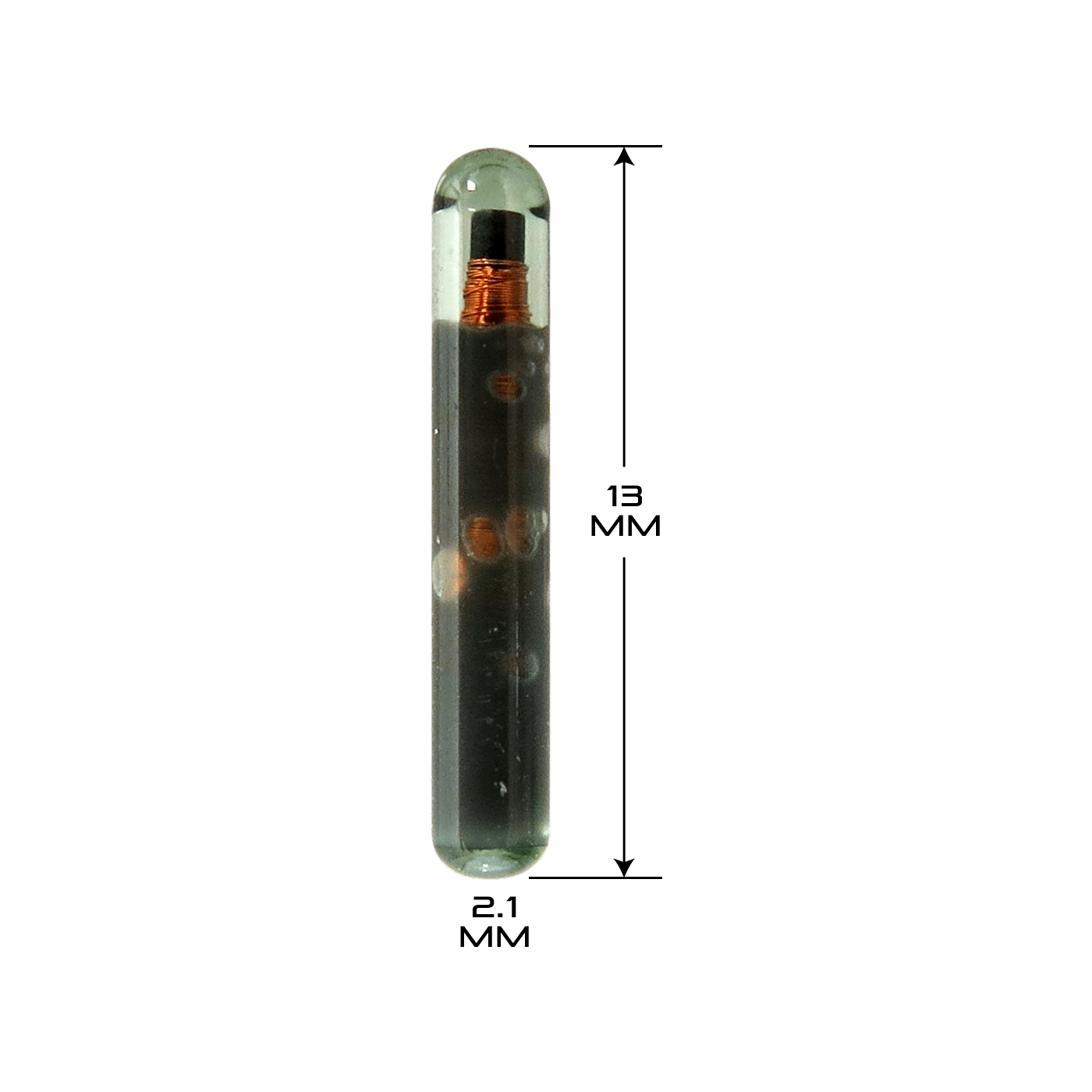
UC-2112 Implantable Programmable Microchip
- Unique ID
- 12.5G
2.1 × 13 mm in a 12.5G cannula. The standard chip for rats and larger species.
View UC-2112 -
 Temperature
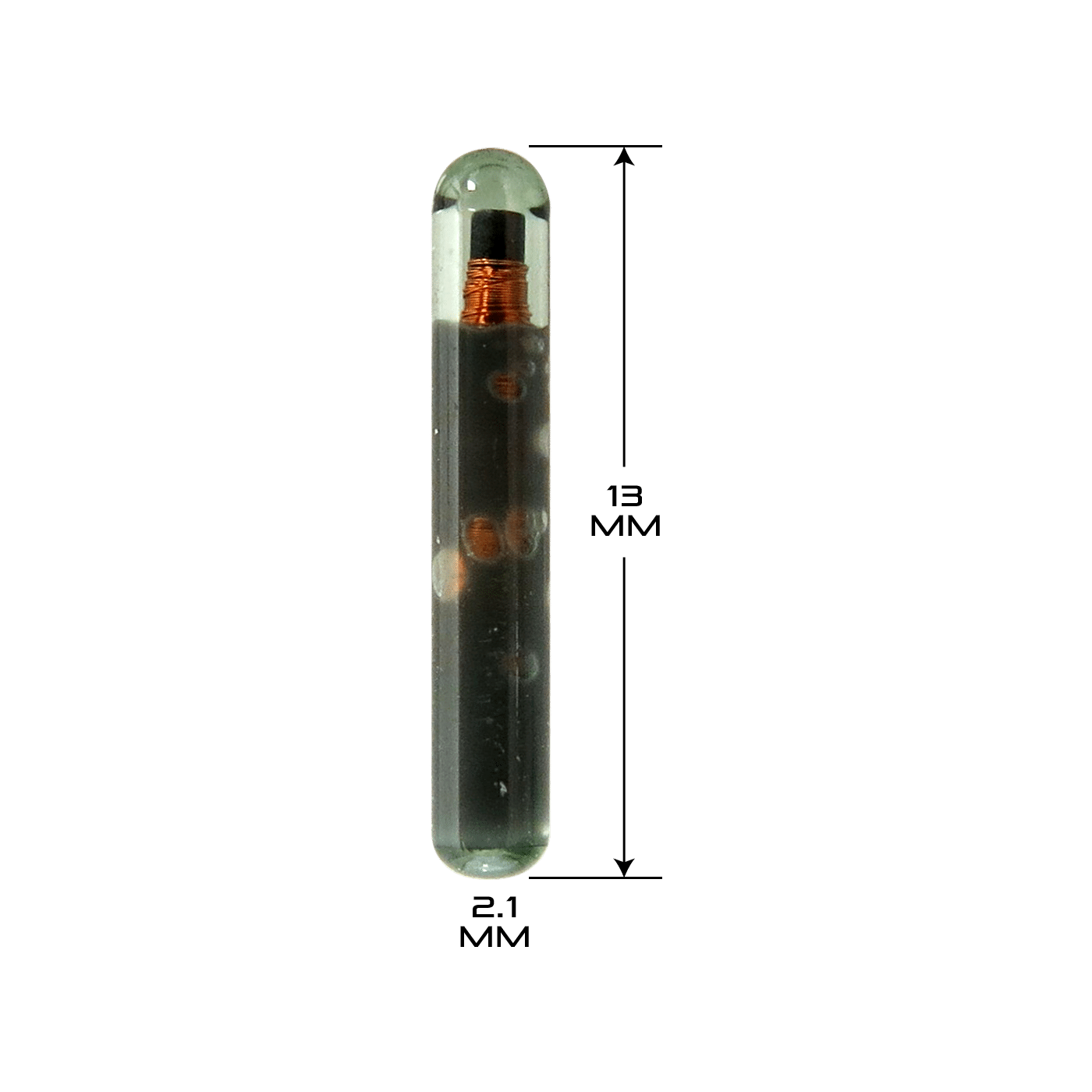
UCT-2112 Temperature Microchip
- Unique ID
- Temperature
- 12.5G
2.1 × 13 mm with a ±0.1 °C temperature sensor. Returns ID and core temperature on the same scan.
View UCT-2112 -
 Rack-scale home cage monitoring
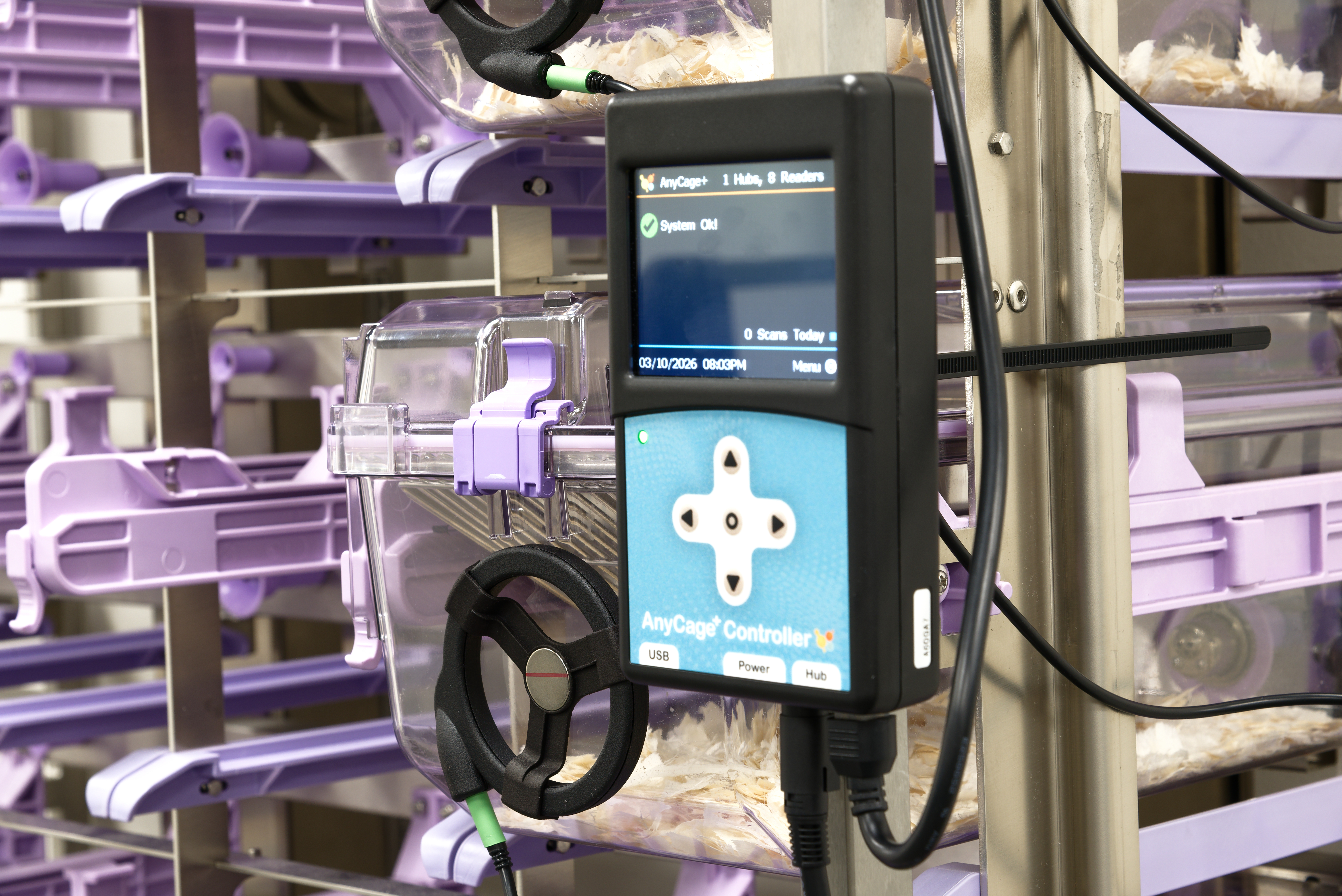
AnyCage+
- Home Cage Monitoring
- VivoTraq
Monitor up to 96 cages. Pair with VivoTraq and the UCT-2112 microchip for real-time alerting and continuous temperature monitoring.
View AnyCage+ -
 Handheld reader
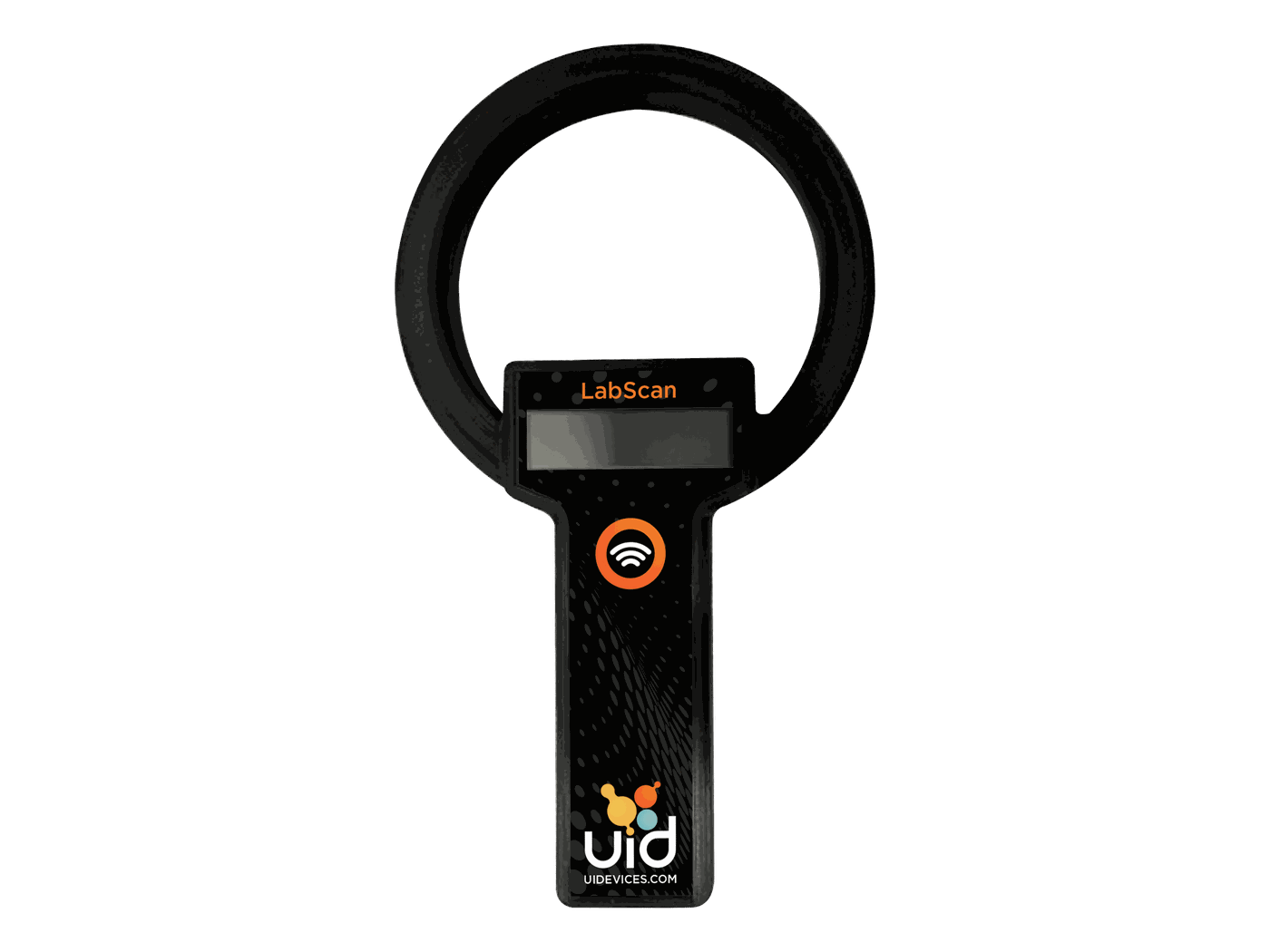
URH-2 Handheld Reader
- Small Animals
- 3" Read Range
Rechargeable handheld reader. Lightweight and easy to use with full LIMS compatibility.
View URH-2 -
 Lab Workflows + Provisioning
PiSuite
- Weighing
- Measurements
- Provisioning
Lab Workflow Application: microchip provisioning, animal and study records, and hands-free weight and tumor capture from connected readers, balances, and calipers.
View PiSuite -
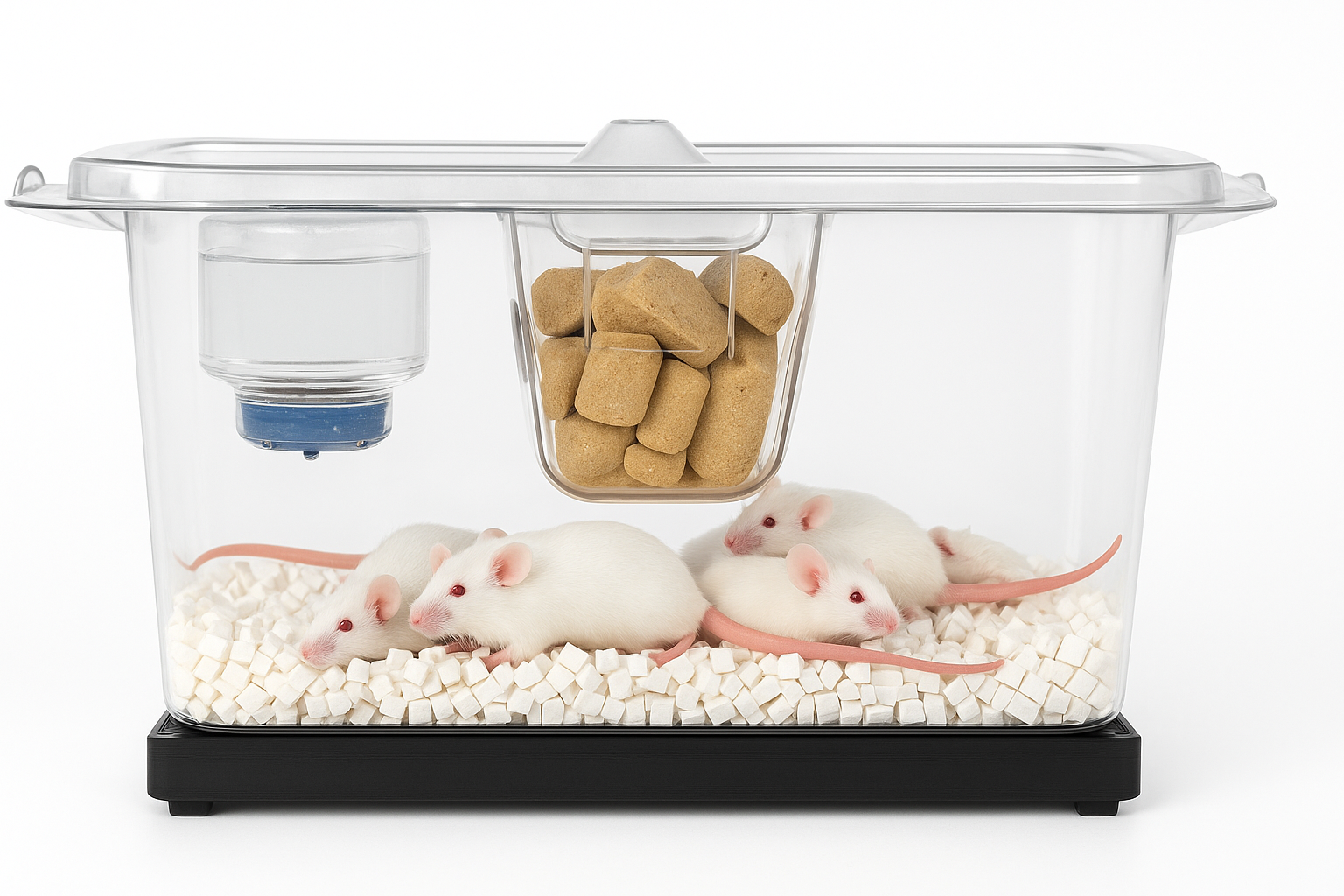 Home cage monitoring
Mouse Matrix
- Temperature + activity
- Up to 5 mice/cage
- 24/7
Per-animal temperature, locomotor activity, and zone location for group-housed mice — continuous, no handling, through the dark phase.
View Mouse Matrix -
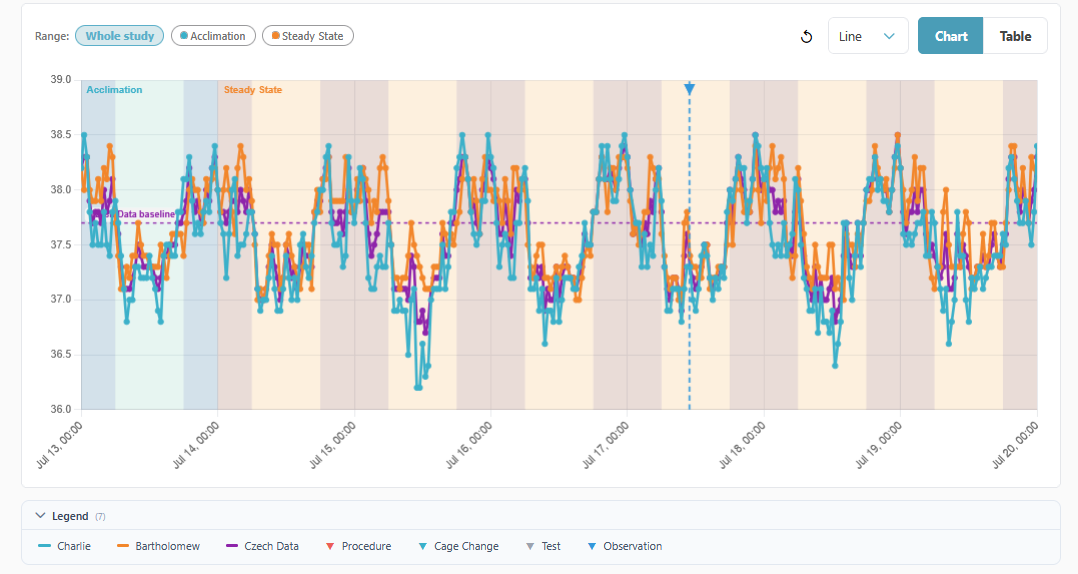 Cloud dashboards + alerts
VivoTraq
- Live Alerts
- Real-Time Monitoring
- Study Management
Cloud-hosted workspace for home cage monitoring data. AnyCage and UID reader scans feed browser dashboards, automated alerts, and multi-site collaboration.
View VivoTraq
Cited in Published Research
Published work using UID temperature transponders. Most of it comes from the labs that ran the studies rather than from us.
-
Journal of Sport and Health Science
A nutrient-hormone axis pivots an energy trade-off between resting thermogenesis and movement expenditure
- uct-2112
-
bioRxiv
A Preoptic Neurocircuit That Modulates Metabolic Flexibility
- uct-2112
-
Poster presentation at the 2026 American Physiology Summit
A tail of two torpors: insight from autonomic and behavioural thermoregulation
- uct-2112
-
Poster presentation at the 2026 American Physiology Summit
Arousal from torpor advances circadian phase without effect on period in mice
- uct-2112
-
Home Cage Monitoring in Rodents: A Global Effort. Cham: Springer Nature Switzerland,
Commercializing Home Cage Monitoring: From Prototype to Global Access
- uct-2112
-
Journal of the American Association for Laboratory Animal Science
Design and Validation of an Arduino-Based, Cost-Effective Heated Anesthesia Induction Chamber for Mice
- uct-2112
- urh-1hp
-
Applied Sciences
Hexavalent Chromium Oropharyngeal Aspiration Induced Behavior Effects and Essential Metal Dyshomeostasis in Young Hartley Guinea Pigs
- uct-2112
-
Journal of Neuroscience Methods
Home-Cage Monitoring Methods Reveal Age- and Strain-Related Differences in Motor, Thermal, and Cognitive Functions in Male Mice of Two Inbred Strains
- uct-2112
Common Questions
-
Will the implantable transponder affect PK/PD readouts or drug distribution?
Nothing in the transponder is designed to interact with a dosed compound: it is glass-encapsulated for tissue biocompatibility, battery-free, and implanted subcutaneously with a standard UID injector. We haven't characterized transponder effects for specific compound classes, so raise it during study design if that's a concern, and we'll work through implant location and chip size with you.
-
How does UID temperature monitoring compare to telemetry?
Telemetry is the right call for continuous arterial pressure, ECG, or respiratory readouts. For body temperature alone, an implantable transponder returns ±0.1 °C at 38 °C on a contactless scan, with no battery and no surgical implant. Implant route affects what the reading represents, so tell us your endpoint and we'll walk through placement.
-
Can we tie sample tubes back to specific animals automatically?
Yes. Scan the animal with a URH-1HP handheld reader at the moment of dosing or sample collection, and the reader writes ID and temperature into any LIMS field over USB or Bluetooth. The sample tube label can then be matched to the animal ID downstream, with no parallel paper log to reconcile.
-
Is UID hardware compatible with group housing?
Yes. AnyCage+ and Mouse Matrix both resolve to the individual animal in group housing: temperature, plus zone-level activity on Mouse Matrix, attributed back to each chip-carrying animal. Animals can stay group-housed for the bulk of a study and their physiological data still tracks per animal.
-
How does this support 3Rs and IACUC review?
Contactless ID and temperature scans reduce animal handling, which IACUC review treats as a refinement under the 3Rs. Continuous home cage monitoring reduces the need for cage-side observation sessions and supports evidence-based humane endpoints. Implantable temperature transponders remove the rectal probe step — a refinement many welfare committees specifically ask for.
Scoping a Pharmacology Protocol?
What you need depends on cohort size, dosing frequency, and which physiological endpoints matter. If you're designing a new protocol or moving off another vendor's equipment, we can help you scope it before you order.