Animal ID and Monitoring for Preclinical Oncology
Xenograft, orthotopic, and PDX studies run on individual-animal traceability. UID transponders, home cage monitoring, and PiSuite keep every reading tied to the right animal.
- Oncology · xenograft · PDX
- IACUC / AAALAC aligned
- Individual animal ID
What Oncology Teams Get from UID
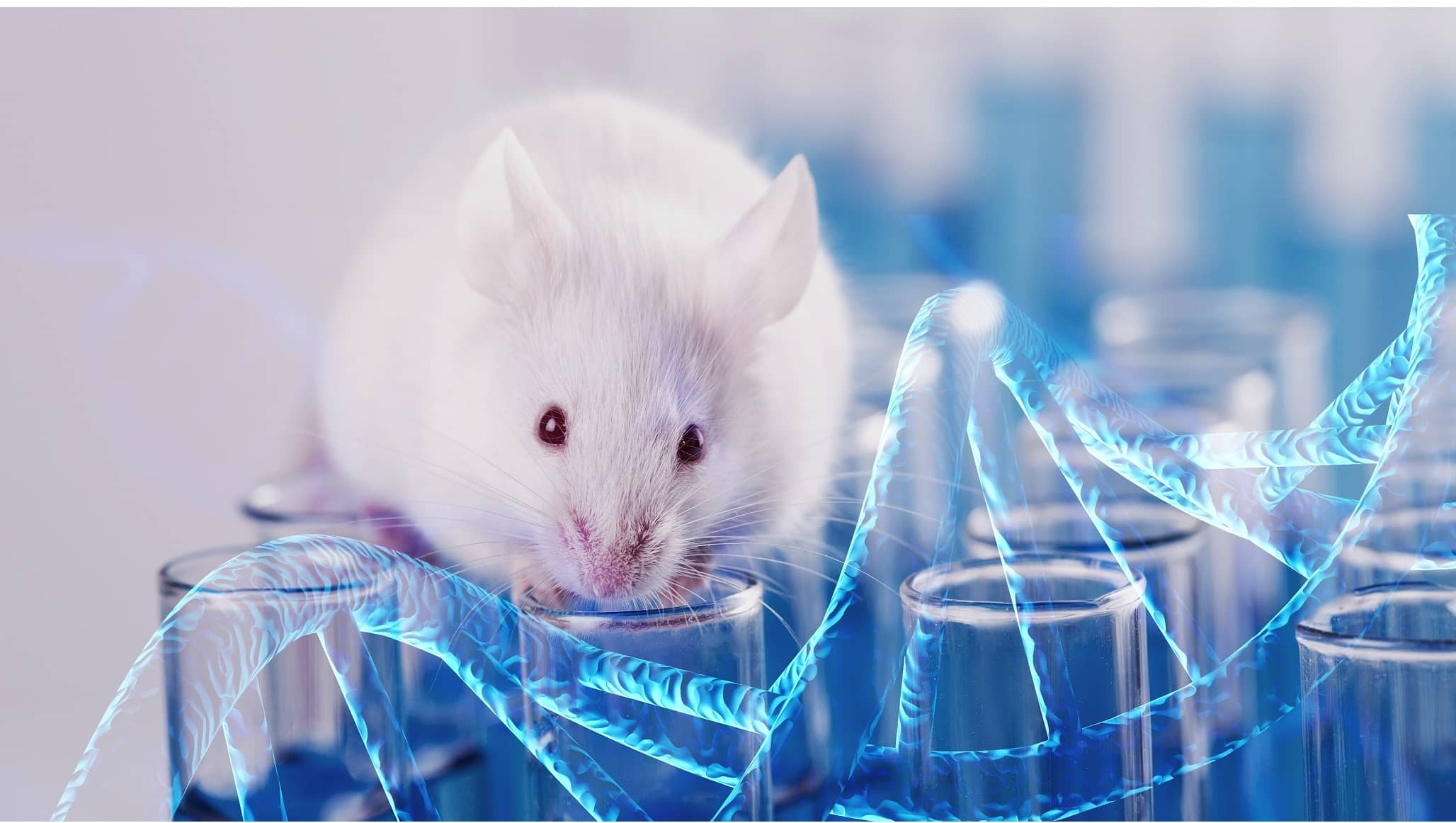
In oncology studies, accuracy, consistency, and animal well-being aren't optional. UID makes the products that handle each step, from chipping the animal to reviewing the data in analytics, so your team collects cleaner data with less handling.
Every Tumor Measurement, Weight, and Temperature Reading Tied Back to a Specific Animal
Oncology studies run long and on small numbers, so a mistranscribed ID at week 6 of a 12-week study can pull a tumor curve off the right cohort.
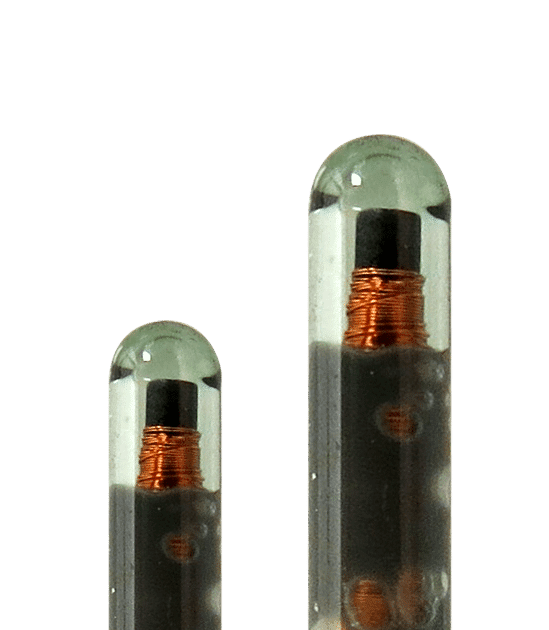
- Implantable transponder — a permanent 8-digit ID that reads through tissue
- Temperature on the same scan — ±0.1°C core-body, read straight through the skin
- Home cage monitoring — temperature at rack scale with AnyCage+, or activity, location, and temperature with Mouse Matrix
- PiSuite Oncology — caliper and balance readings land against the right animal
Supporting All Phases of Cancer Research
Where each part of the system earns its place, from engraftment through regulatory submission.
-
Tumor Implantation
Confident animal tracking from day one. Inject a UID implantable transponder at study enrollment. Each chip carries a permanent, non-repeating 8-digit ID that reads through tissue, links the animal to its cohort assignment, and stays with it for the full study — through tumor implantation, dosing, and any cross-cage moves.
-
Treatment Evaluation
Hands-free, consistent tumor and weight measurements. Scan the animal, weigh it on a connected balance, and measure with digital calipers — PiSuite Oncology runs the tumor volume calculations and lands every value against the right animal ID. Nothing gets hand-keyed, which keeps transcription slips and operator bias out of the record.
-
Toxicity Monitoring
Continuous temperature and behavior tracking. Temperature transponders give a ±0.1°C core-body reading on every ID scan. For automated 24/7 capture, AnyCage+ streams continuous temperature at rack scale, and Mouse Matrix tracks activity and location alongside temperature. Febrile response, drop in activity, and early hypothermia show up in the data before they become a welfare event.
-
Survival Studies
Continuous, time-stamped data improves humane endpoint detection. Distress, fever, and behavioral changes surface early enough to support timely euthanasia decisions instead of waiting on the next scheduled check, and the full data trail is there when reviewers ask how a study reached its stopping rule under IACUC or AAALAC protocols.
-
Data Analysis and Reporting
Integrated, standardized outputs for review and compliance. Every reading carries an animal ID and a timestamp, and the study record exports in standard formats for your LIMS or analysis pipeline, consistent across technicians and sites. Same chip, same ID, from the first day of the study to the last.
The UID Products Used in Preclinical Oncology
These are the product lines a typical oncology study draws on: the implantable ID and temperature transponders, the readers that scan them, and the software that turns caliper and balance readings into study records.
-
 All Species
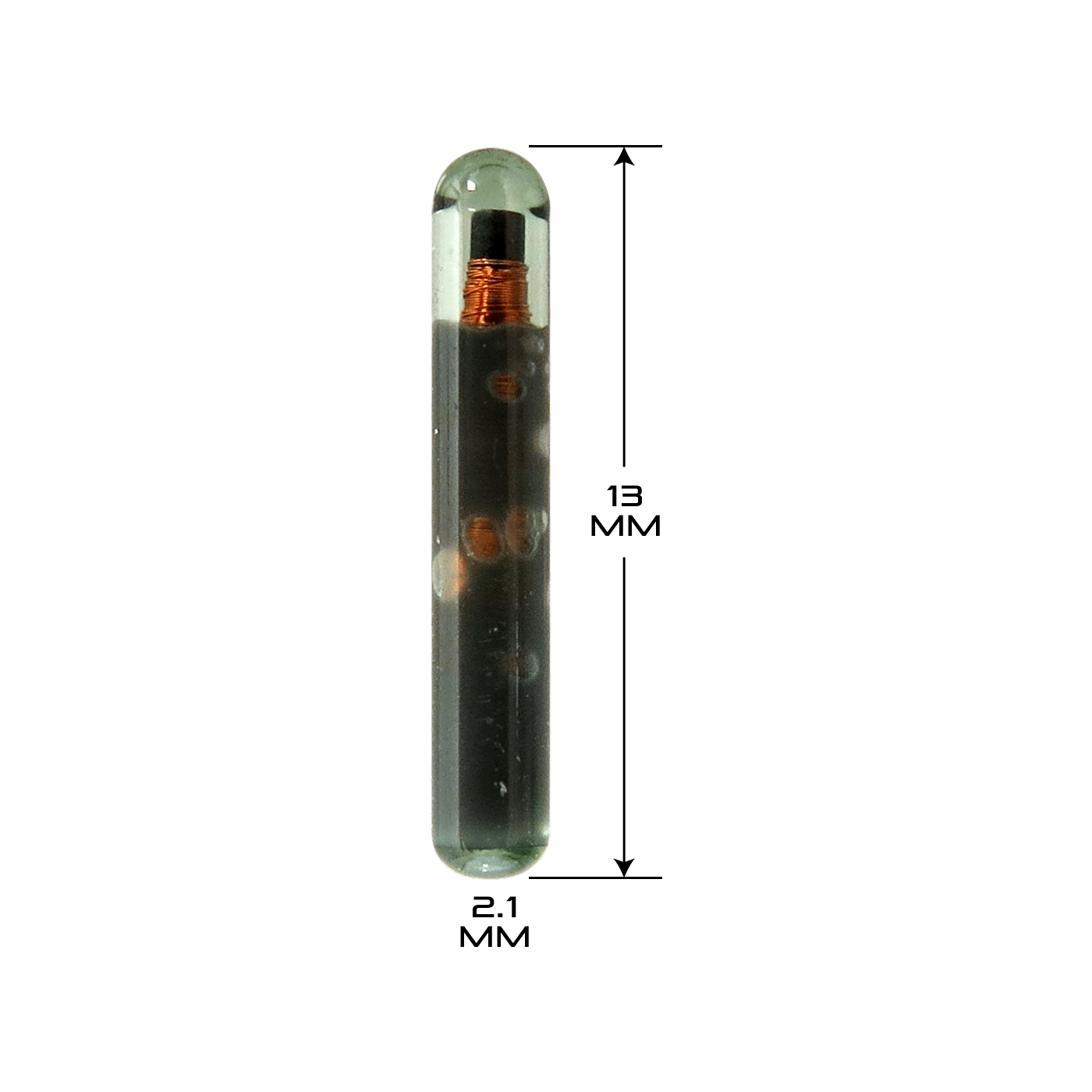
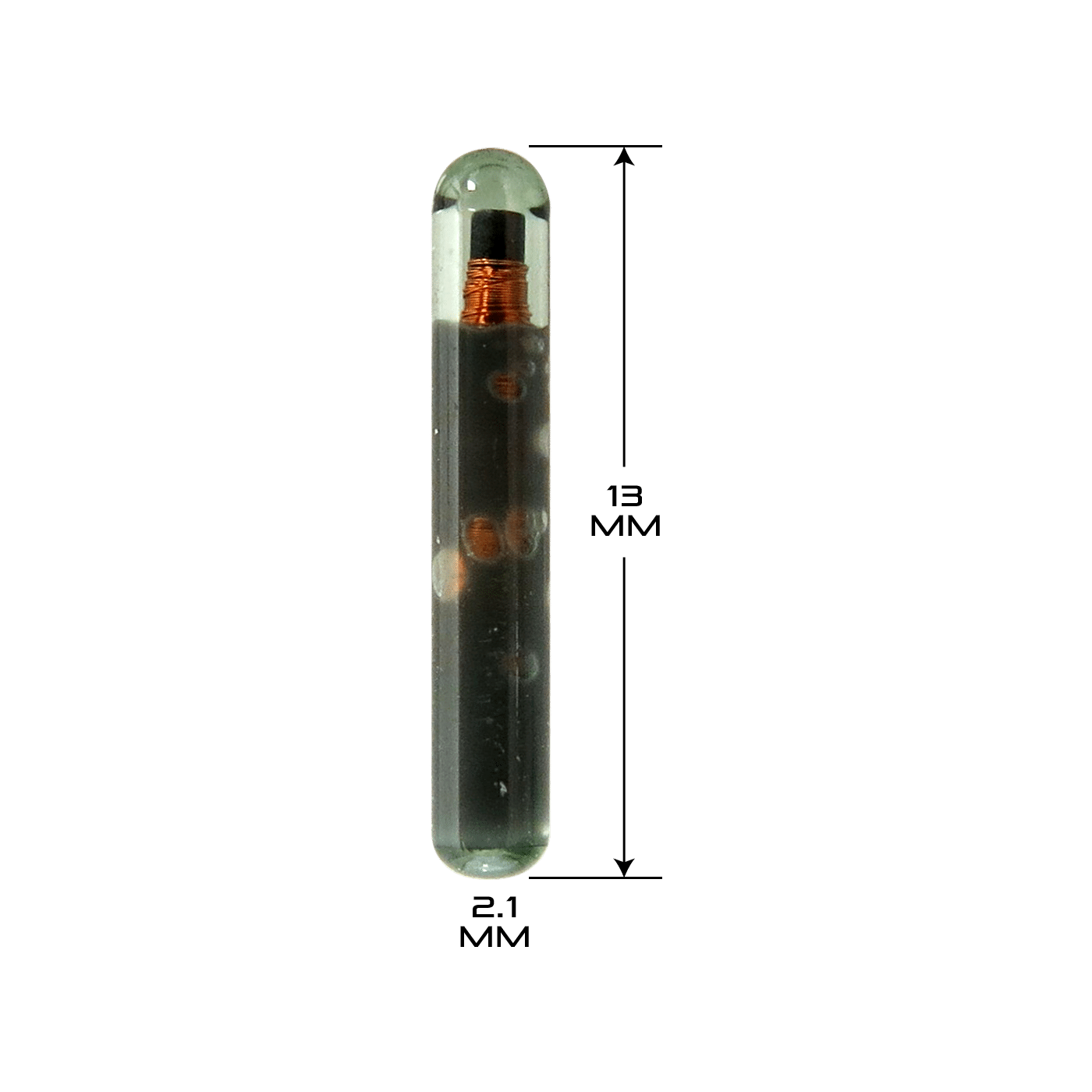
UC-2112 Implantable Programmable Microchip
- Unique ID
- 12.5G
2.1 × 13 mm in a 12.5G cannula. The standard chip for rats and larger species.
View UC-2112 -
 Temperature
UCT-2112 Temperature Microchip
- Unique ID
- Temperature
- 12.5G
2.1 × 13 mm with a ±0.1 °C temperature sensor. Returns ID and core temperature on the same scan.
View UCT-2112 -
 Rack-scale home cage monitoring
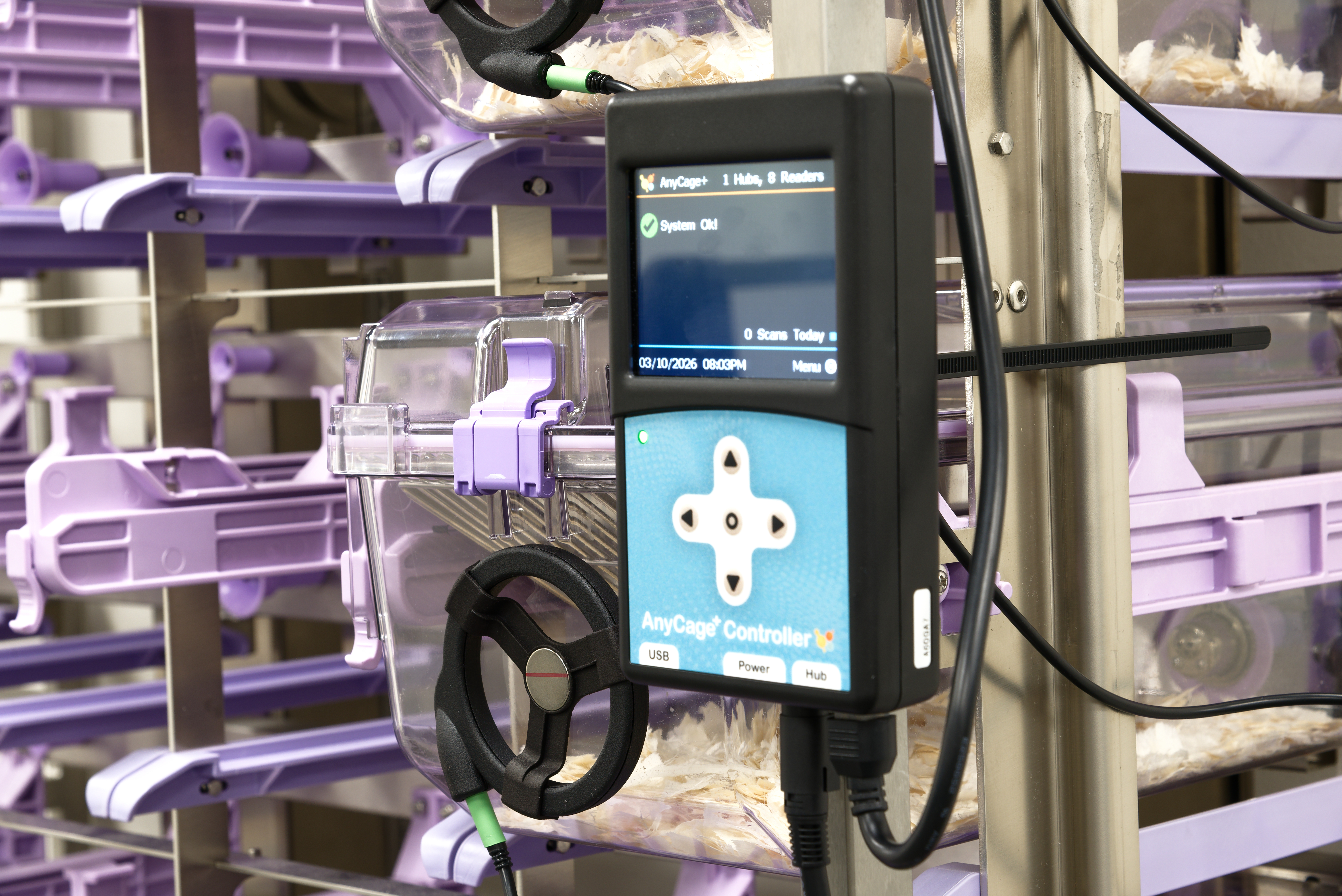
AnyCage+
- Home Cage Monitoring
- VivoTraq
Monitor up to 96 cages. Pair with VivoTraq and the UCT-2112 microchip for real-time alerting and continuous temperature monitoring.
View AnyCage+ -
 Handheld reader
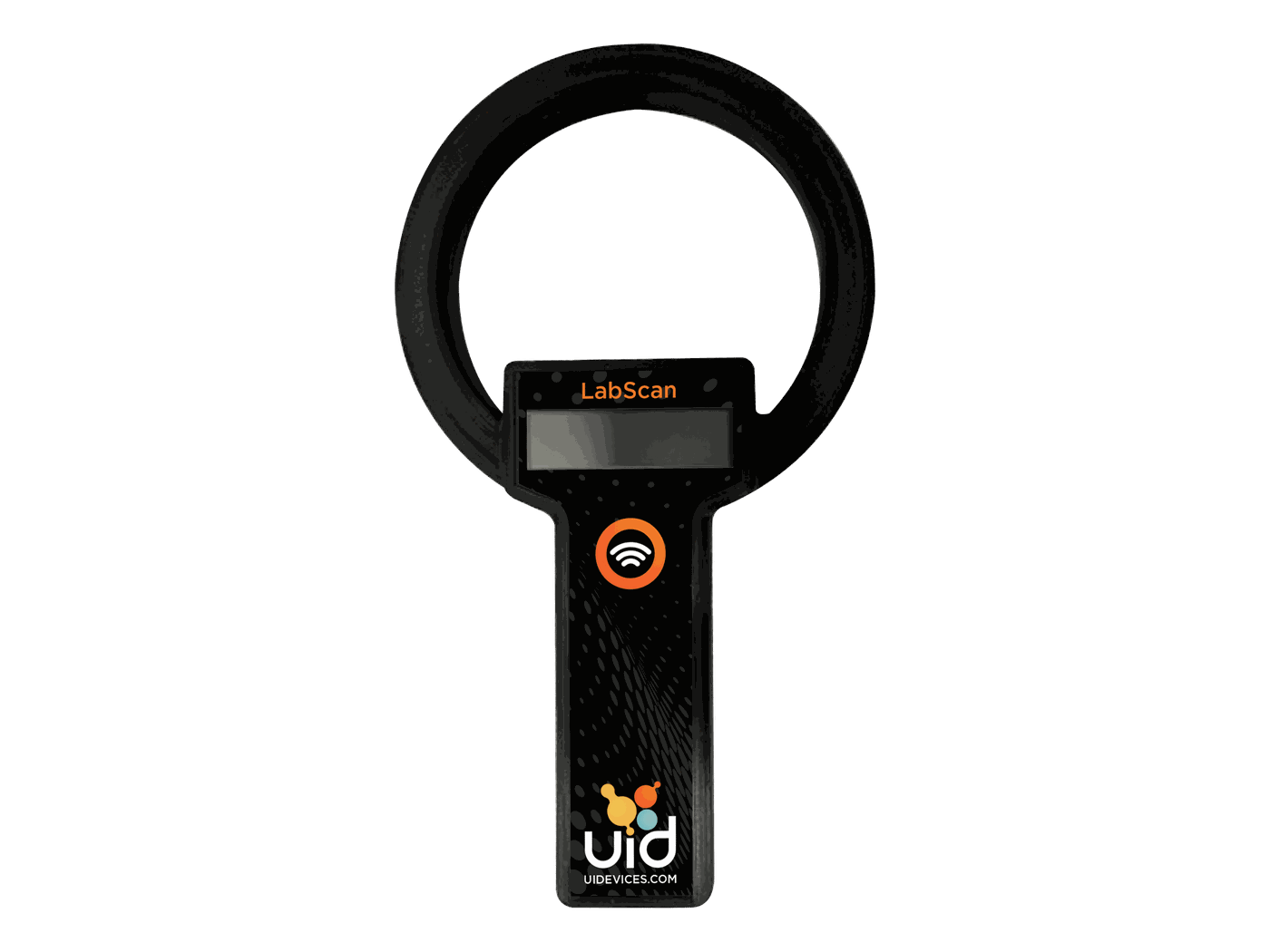
URH-2 Handheld Reader
- Small Animals
- 3" Read Range
Rechargeable handheld reader. Lightweight and easy to use with full LIMS compatibility.
View URH-2 -
 Lab Workflows + Provisioning
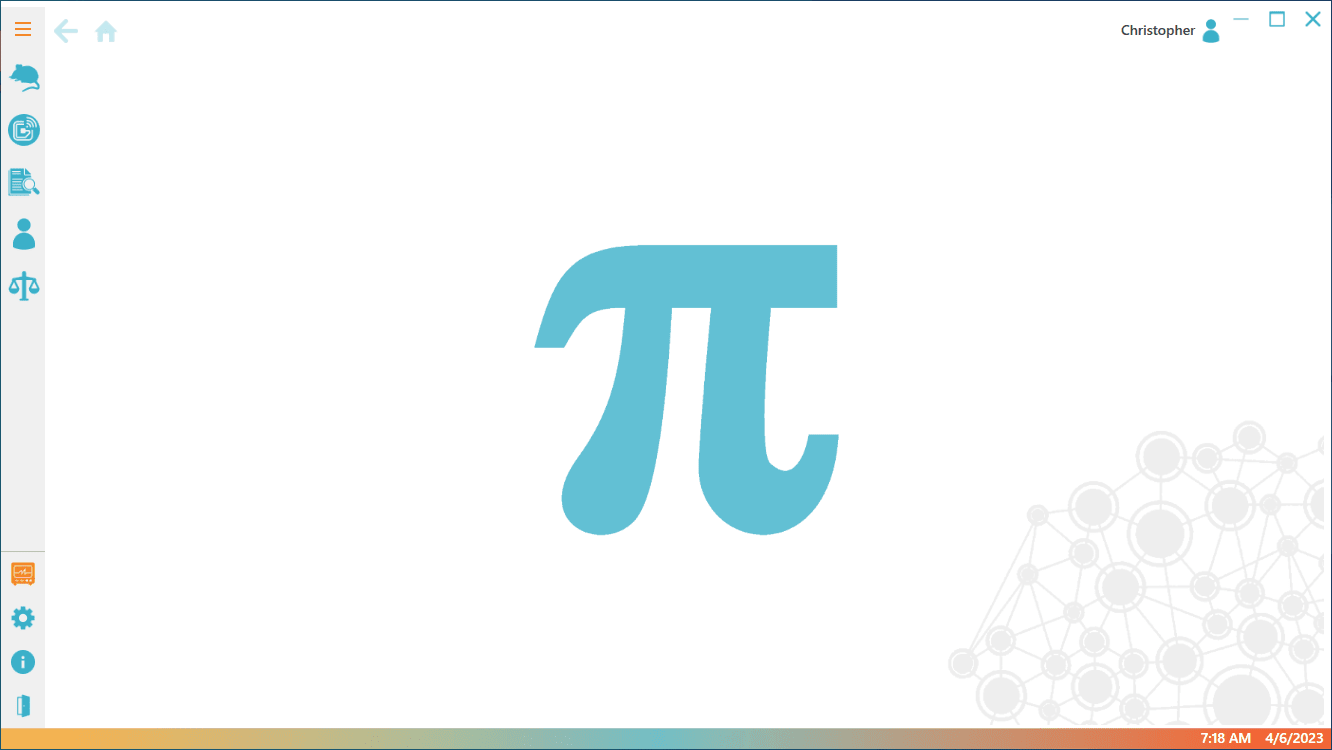
PiSuite
- Weighing
- Measurements
- Provisioning
Lab Workflow Application: microchip provisioning, animal and study records, and hands-free weight and tumor capture from connected readers, balances, and calipers.
View PiSuite -
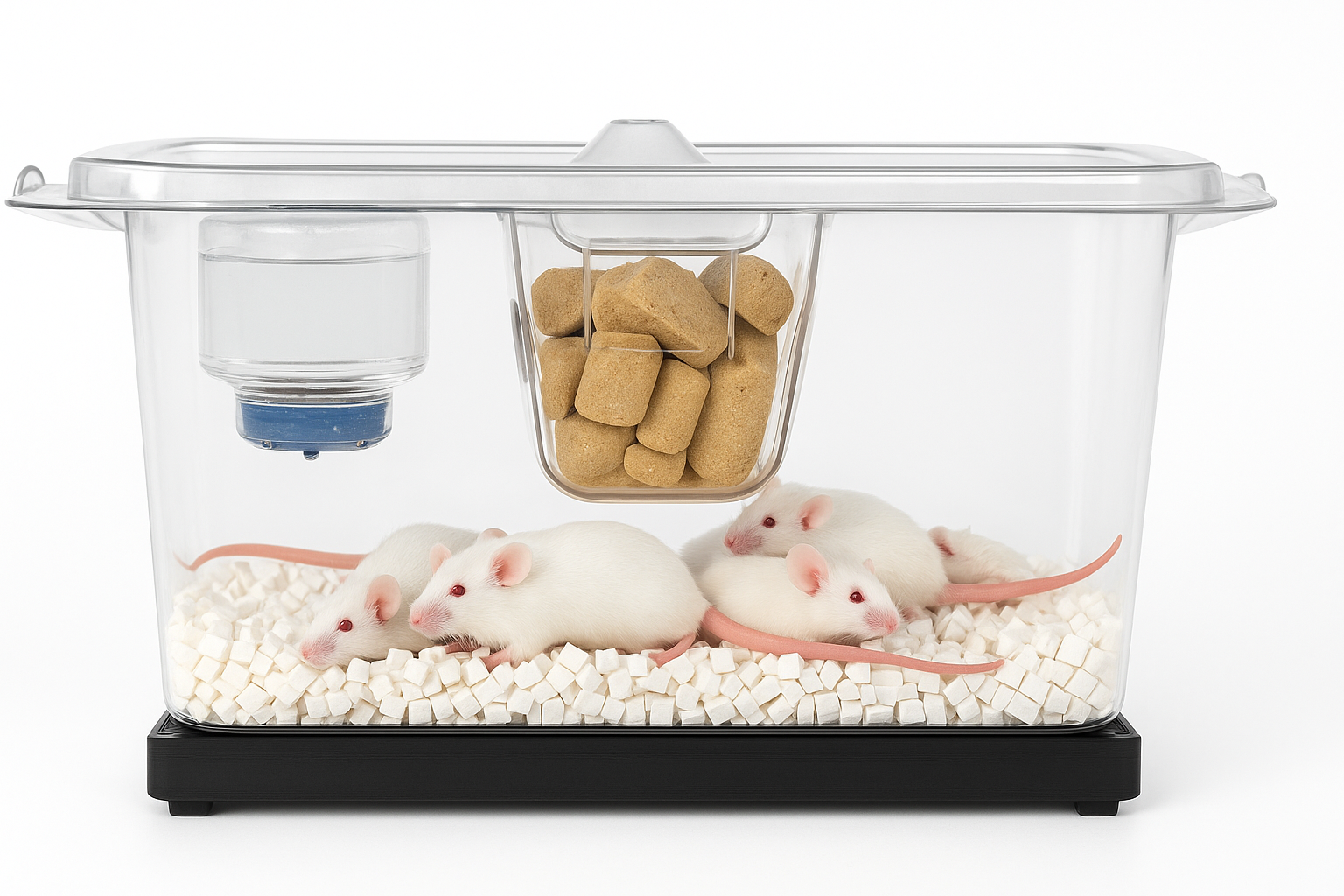 Home cage monitoring
Mouse Matrix
- Temperature + activity
- Up to 5 mice/cage
- 24/7
Per-animal temperature, locomotor activity, and zone location for group-housed mice — continuous, no handling, through the dark phase.
View Mouse Matrix -
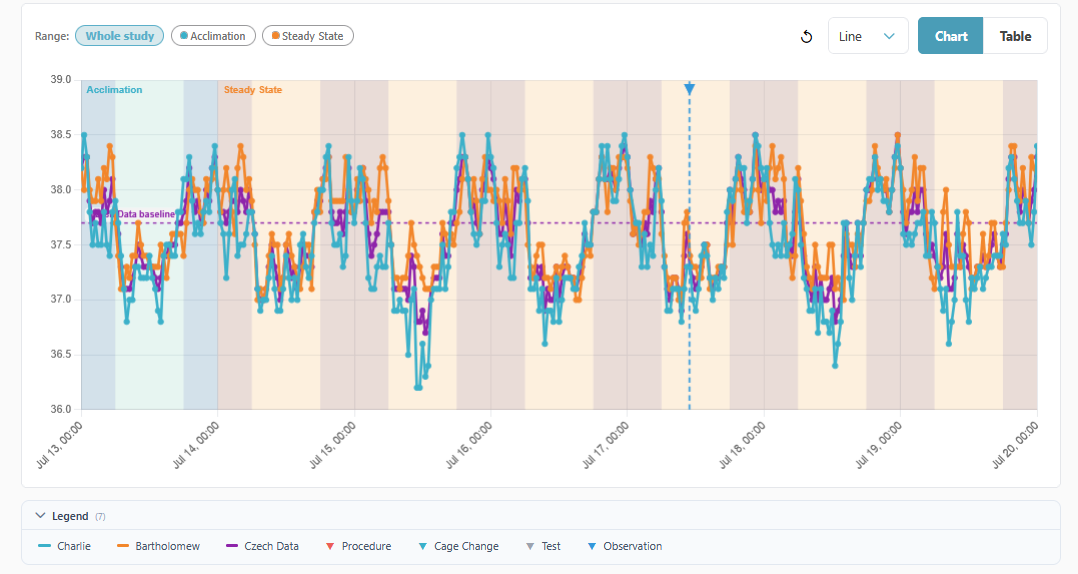 Cloud dashboards + alerts
VivoTraq
- Live Alerts
- Real-Time Monitoring
- Study Management
Cloud-hosted workspace for home cage monitoring data. AnyCage and UID reader scans feed browser dashboards, automated alerts, and multi-site collaboration.
View VivoTraq
Oncology Work Published with UID Hardware
Published work in cancer biology and toxicology that used UID transponders, readers, and monitoring systems. Each entry lists the products the study ran on.
-
BioRxIv
Effect of Genotype and Age on a Defined Microbiota in Gnotobiotic SCID Piglets
- uct-2112
-
Methods in Cell Biology (Chapter11)
Humanized mouse models for anti-cancer therapy
- uc-2112
-
Dissertations & Theses
Use of a Defined Microbiota for Maintenance of Gnotobiotic SCID Piglets
- uct-2112
-
Conference poster
2-Deoxy-D-glucose combination with ketogenic diet induces lethal sedation and hypothermia in mice
- uct-2112
- urh-1hp
-
, PLoS ONE
Automated Monitoring of Respiratory Rate as a Novel Humane Endpoint: A Refinement in Mouse Metastatic Lung Cancer Models
- uc-2112
- uct-2112
-
Poster presentation at the 72nd AALAS National Meeting, 2021
Evaluating the Application of Microchips to Monitor Temperature Change After Immuno-therapy
- uct-2112
- urh-1hp
Common Questions
-
Do the implantable transponders interfere with tumor imaging or palpation?
Implant sites are chosen away from the planned tumor site, so the chip doesn't sit under the palpation or imaging field. In mice, that usually means the dorsal scruff or the interscapular region for subcutaneous implants. The chip is 2.1 × 13 mm, encapsulated in biocompatible glass, and stays subcutaneous. For orthotopic and PDX models with imaging endpoints, talk to us about implant placement during study planning.
-
How is UID's temperature monitoring different from a rectal probe or telemetry implant?
Temperature transponders read ±0.1°C on the same contactless RFID scan that returns the animal ID, which replaces both the rectal probe and the surgical telemetry implant. That keeps handling stress out of the measurement, which matters for tumor growth, immune response, and any febrile-response endpoint. Telemetry is still the right call for continuous arterial pressure or ECG; for temperature alone, the transponder is the lower-impact option.
-
Does UID hardware integrate with our LIMS or electronic study record?
Yes. The readers and PiSuite write to standard CSV exports and integrate with LIMS or electronic data capture platforms, either by flat file or through a direct connection depending on the system. PiSuite Oncology is built around tumor volume, body weight, and animal ID, which are the three fields most oncology LIMS schemas already expect.
-
How does this support IACUC and AAALAC review?
Contactless ID and temperature scans reduce animal handling, which IACUC protocols treat as a refinement under the 3Rs. Continuous temperature and activity data via home cage monitoring supports earlier, evidence-based humane endpoints. Every scan records which animal it came from and when it was taken, so the audit trail reviewers expect already exists instead of being reconstructed after the fact.
-
Can we start with animal ID and add temperature or home cage monitoring later?
Yes. The same chip ecosystem (UCT-2112-family for temperature) and the same reader family scale from an ID-only protocol up to full home cage monitoring. Most labs start with handheld readers and animal ID for PiSuite-driven tumor work, then layer in AnyCage+ or Mouse Matrix when the cohort grows or when a continuous physiological endpoint enters the study design.
Scoping a Cancer Study?
Study size, model type, and endpoint design drive the right mix of readers, monitoring, and software. We'll help you scope it before you order.