
ISO Pet Microchips Explained
An international standard means any compliant scanner can read the chip. That shared format is what gives a lost pet the best chance of being reunited.
What Is an ISO Pet Microchip?
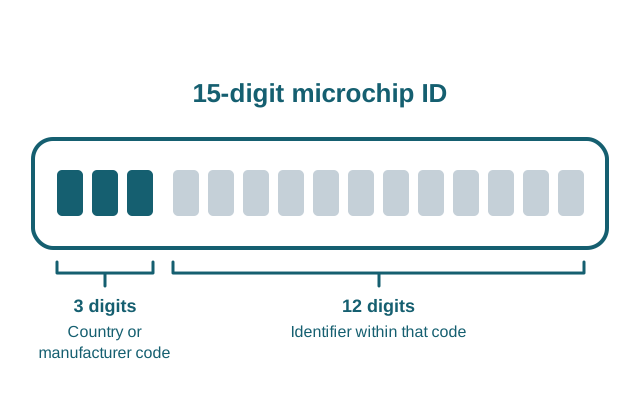
An ISO pet microchip is a small transponder that stores a single 15-digit identification number. Implanted under the skin in a quick, routine procedure, it becomes a permanent form of identification that a scanner can read for the life of the pet.
ISO 11784 and ISO 11785 set the rules for the code and the communication. Manufacturers worldwide follow the same specification, so no two pets carry the same ID.
- Code structure: ISO 11784 defines the identification code.
- Communication: ISO 11785 defines how the reader activates the chip and receives its information.
- How to read it: The first 3 digits are the manufacturer/country code, the next 12 are a unique number. All 15 make up the official "Microchip ID".
This shared specification is what lets a lost pet be scanned at nearly any clinic or shelter it ends up in.
ISO Microchip Terms at a Glance
Here are some common terms you may come across while researching ISO Pet Microchips.
| Term | Summary | Details |
|---|---|---|
| RFID, Microchip, PIT Tag, etc. | The microchip itself: an implantable glass tag | Not available |
| ISO 11784 | Defines the structure of the 15-digit identification code | The first three digits are either an ICAR manufacturer code or an ISO country code. The remaining twelve are the unique number. |
| ISO 11785 | Defines how a reader activates the chip and receives its code | Covers the 134.2 kHz activation signal and both FDX-B and HDX response formats |
| 134.2 kHz | Frequency used to activate ISO animal microchips | Not available |
| 125 kHz / 128 kHz | Frequencies used by older, non-ISO pet microchips | Still common in the US. A universal scanner reads these alongside 134.2 kHz ISO chips. |
| 15-digit ID | The number a scanner reads and a registry stores | Record all 15 digits, including leading zeros, exactly as scanned |
| FDX-B | Response format used by the vast majority of ISO pet microchips | TraqPaw and the other major pet microchip brands all use FDX-B, so any ISO scanner reads them. |
| HDX | Alternate response format, more common in livestock tags | Only some readers support it. Check the spec sheet if you scan livestock or imported animals. |
| Universal Scanner/Reader | A reader that detects ISO and older non-ISO microchips | Reads 134.2 kHz, 125 kHz, and 128 kHz chips. The safest choice for shelters and clinics that see pets of unknown origin. |
| Bioglass | The chip's biocompatible glass casing | Not available |
| ICAR | International Committee for Animal Recording | Certifies ISO microchips and assigns manufacturer codes. |
| Microchip registry | The database that links a 15 digit chip ID to the owner's contact details | Not available |
ISO Microchip Scanner Compatibility: FDX-B, HDX, and Universal Readers
Every TraqPaw pet microchip is an ISO 11784/11785 FDX-B transponder at 134.2 kHz, so any ISO-compliant microchip scanner reads it. Reader choice depends on the other chips your clinic or shelter is likely to encounter.
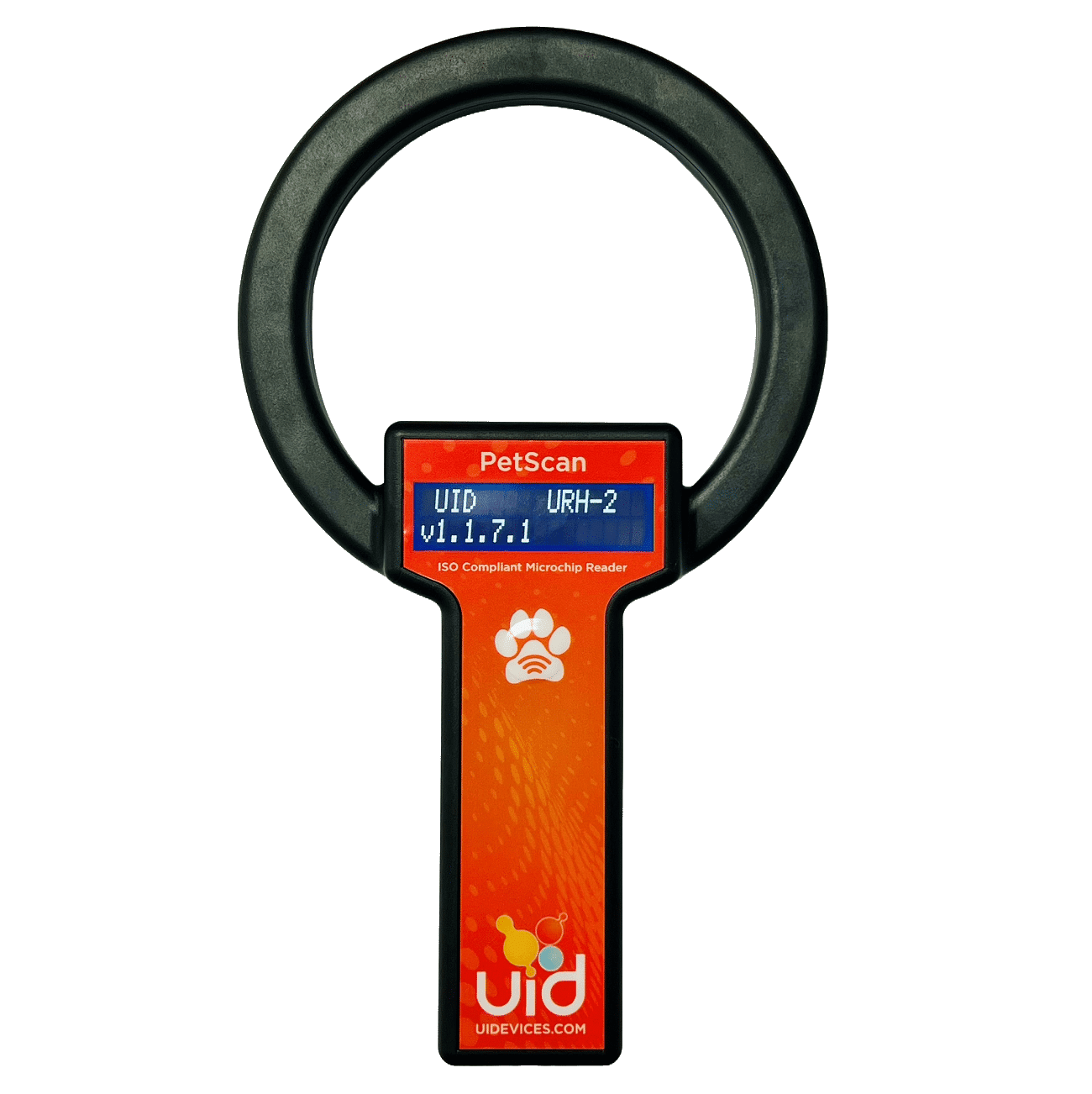
- Only ISO chips: An ISO FDX-B microchip reader such as the PetScan URH-2-ISO covers routine veterinary scanning.
- Pets of unknown origin: Older US microchips run at 125 kHz or 128 kHz. A universal microchip scanner reads these alongside ISO chips and is the safe choice for intake and stray scanning.
- Livestock or imported animals: HDX transponders need a reader that supports both formats. The URH-300HP-ISO reads FDX-B and HDX.
ISO Pet Microchip Questions
-
What is the difference between ISO 11784 and 11785?
ISO 11784 defines the identification code structure. ISO 11785 covers chip activation and communication with the reader. Together they describe the technical foundation of Pet Microchips.
-
What do the first three digits mean?
They identify a country or manufacturer code within the ISO coding scheme. They do not identify the current owner or prove registration with a pet registry. Use the full 15-digit number to check the registration record.
-
Are FDX-B and HDX the same format?
No. FDX-B responds while the reader's activation field is on. HDX responds during a pause in that field. Confirm which formats the scanner supports; a reader described as FDX-B does not automatically support HDX.
-
Is ICAR certification the same as ISO compliance?
No. ISO 11784 and 11785 are international standards that define the 15-digit code structure and the 134.2 kHz communication between chip and reader. ICAR is the registration authority for those standards. It assigns manufacturer codes so IDs stay unique, and it runs the conformance test that certifies specific microchips and readers meet the standard. A product can be built to ISO without ICAR testing. ICAR certification means it has been independently verified.
-
Does ISO compatibility mean my pet is already registered?
No. ISO compatibility and registration are different. Registration is what connects the chip number to your pet and contact details within a registry. See how pet microchip registration works, or check an existing record.
Common Pet Microchip Terms
Check the Standard and the Product
Standards: ISO 11784:2024 covers code structure. ISO 11785:2026 covers the technical concept. ICAR's certification procedures and device registry explain how to check conformance evidence. WSAVA's microchip guidelines provide veterinary context; ISO's animal RFID overview explains the two communication formats.
Products and workflow: Compare TraqPaw microchips and veterinary readers. Review clinic pre-registration and choosing a pet microchip registry.
Updated September 14, 2026. This guide covers technical selection for veterinary practices.
Need Help Matching Chips and Readers?
Tell us which scanner your clinic uses and the microchips you need to read. We can help confirm the supported pairing.